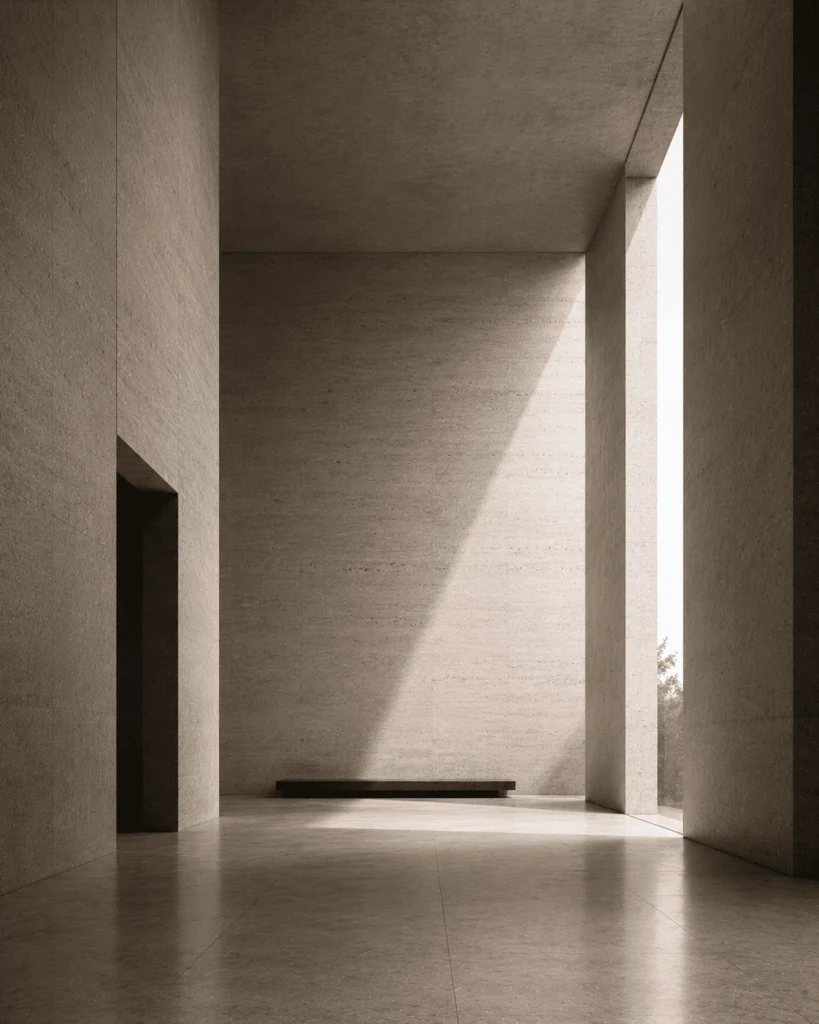
The Discipline of Restraint in Contemporary Architecture
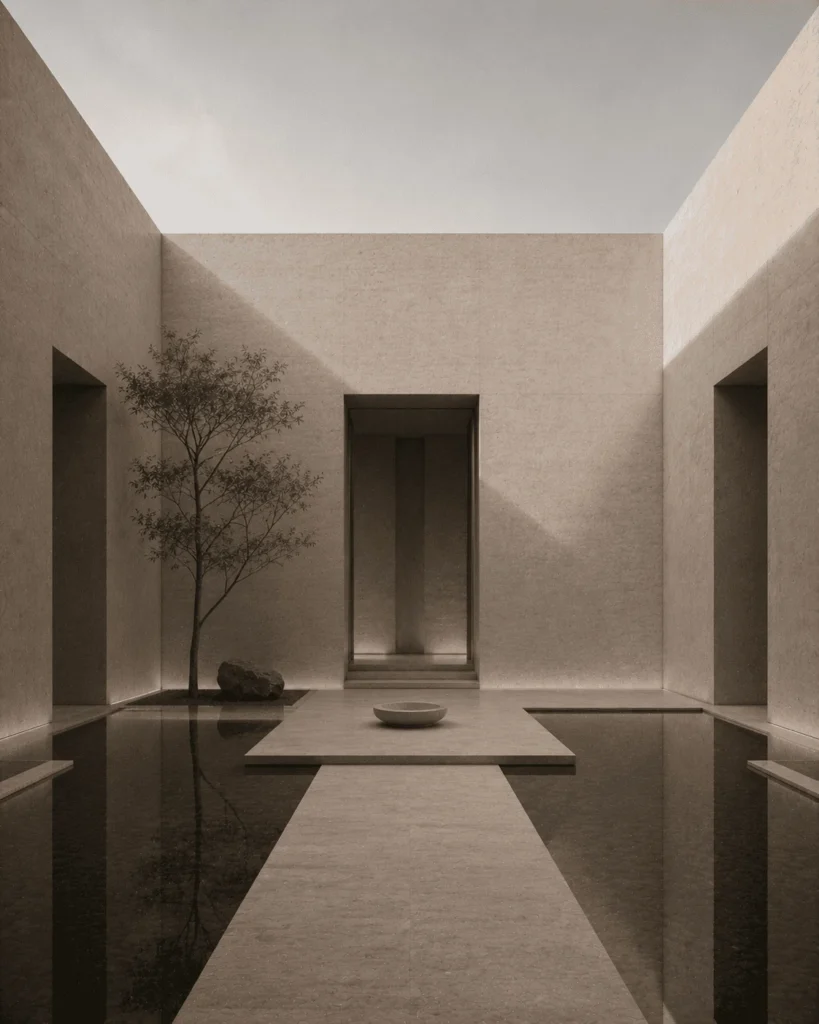
Restraint is not minimalism for its own sake. It is the deliberate reduction of elements so that proportion, material, and light can speak without interference. When architecture relies on composition rather than ornament, it gains longevity. Trends fade, but balanced space remains relevant.
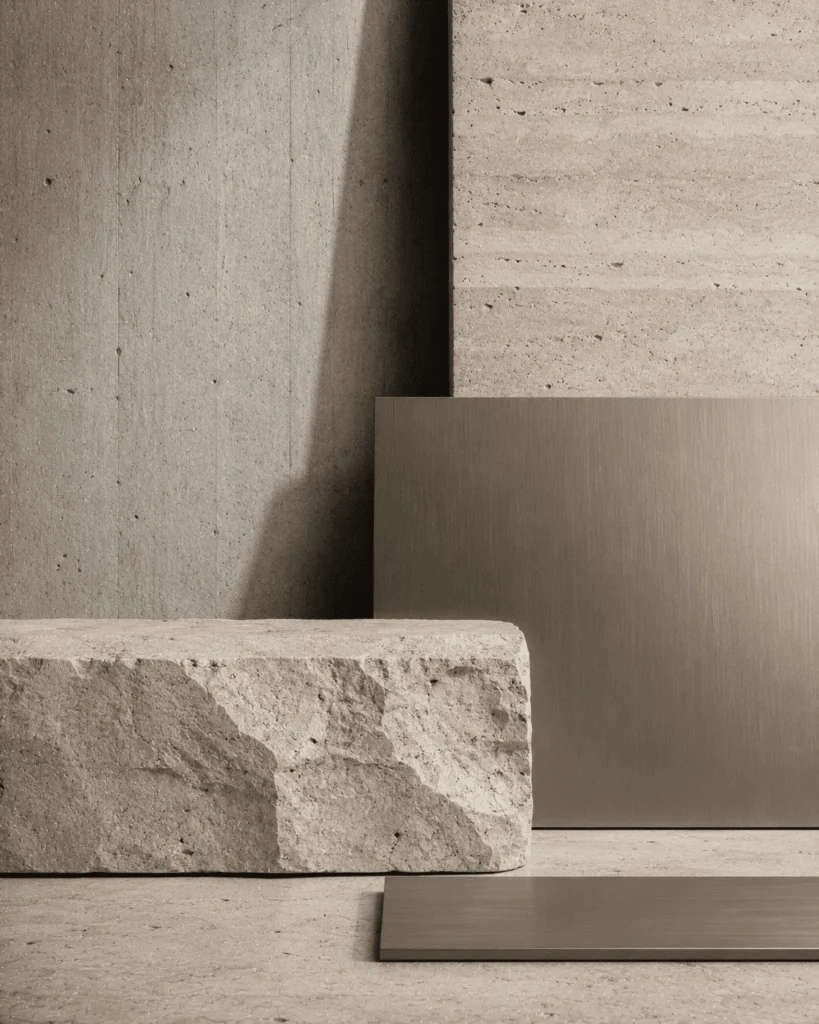
Material restraint allows surfaces to be experienced fully. A continuous stone wall, uninterrupted by excessive detailing, reveals its texture and depth. A simple ceiling plane enhances the presence of light. The absence of unnecessary gestures strengthens the identity of what remains.
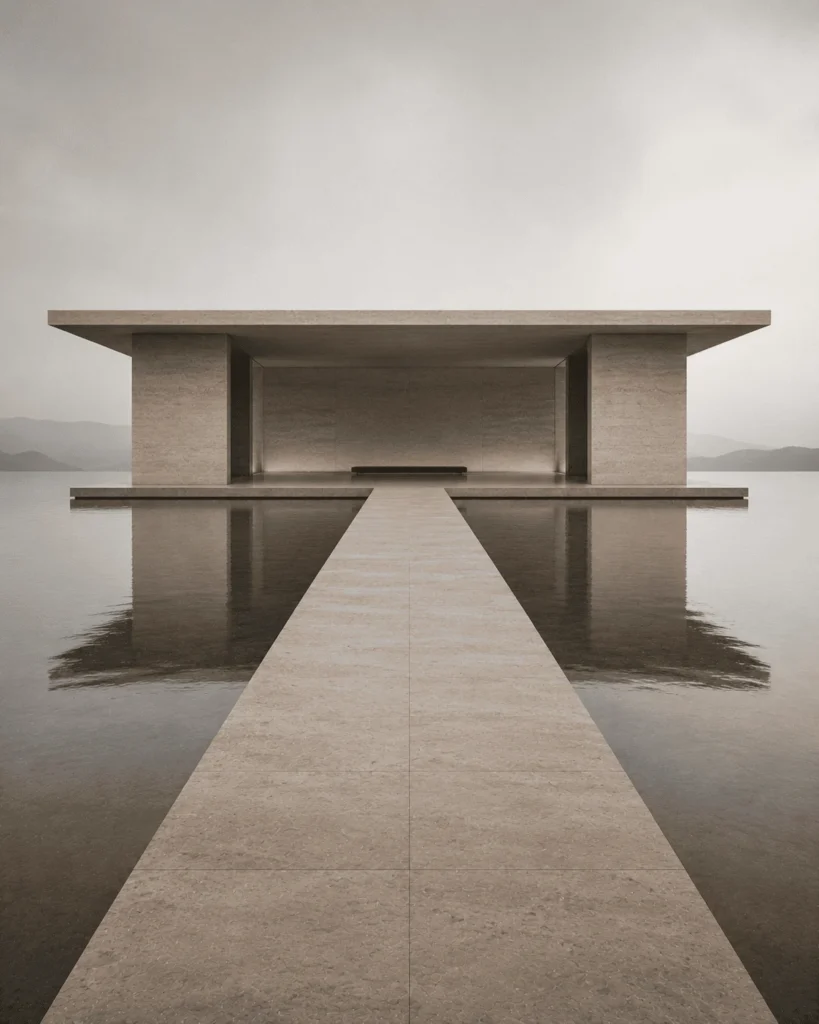
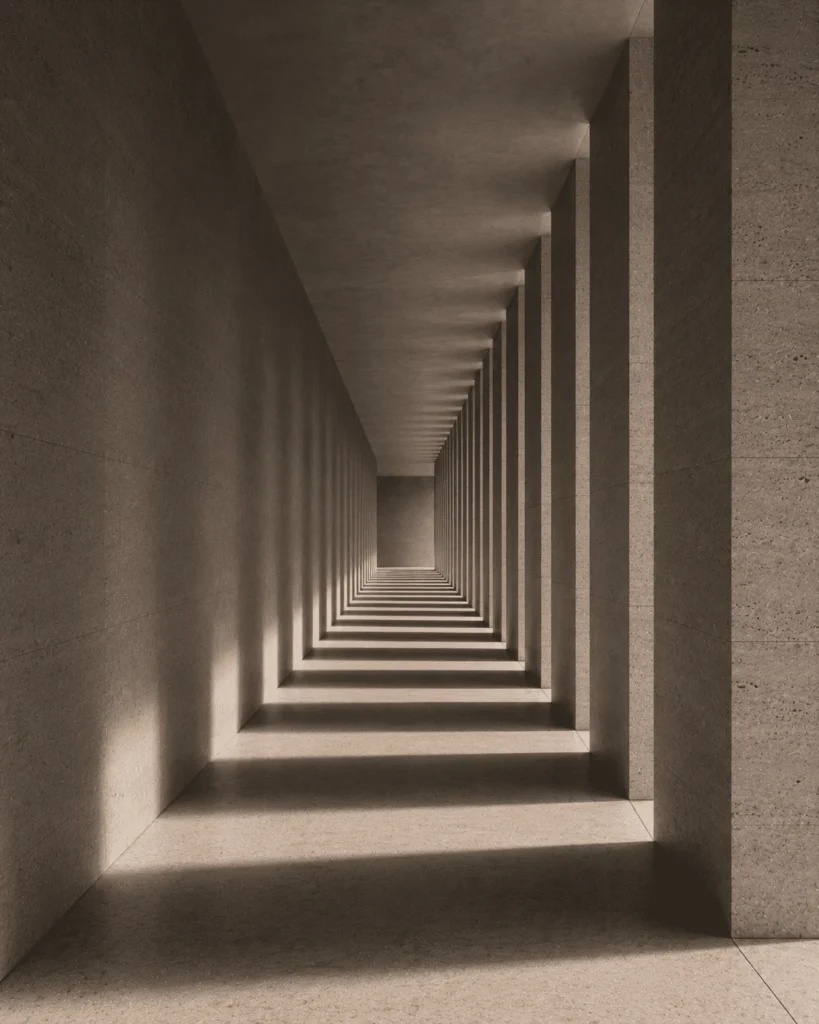
Spatial restraint also shapes experience. Clear circulation, measured volumes, and controlled transitions create calm environments. Rather than overwhelming the senses, architecture guides movement quietly. This sense of order contributes to psychological comfort and clarity.
Restraint demands precision. When fewer elements are present, each decision carries greater weight. Proportions must be resolved carefully. Joints must be considered. Materials must be honest in their application. There is little room for distraction.
In this way, restraint becomes a discipline that elevates architecture from spectacle to substance. It reflects a belief that true sophistication lies not in display, but in clarity and control.