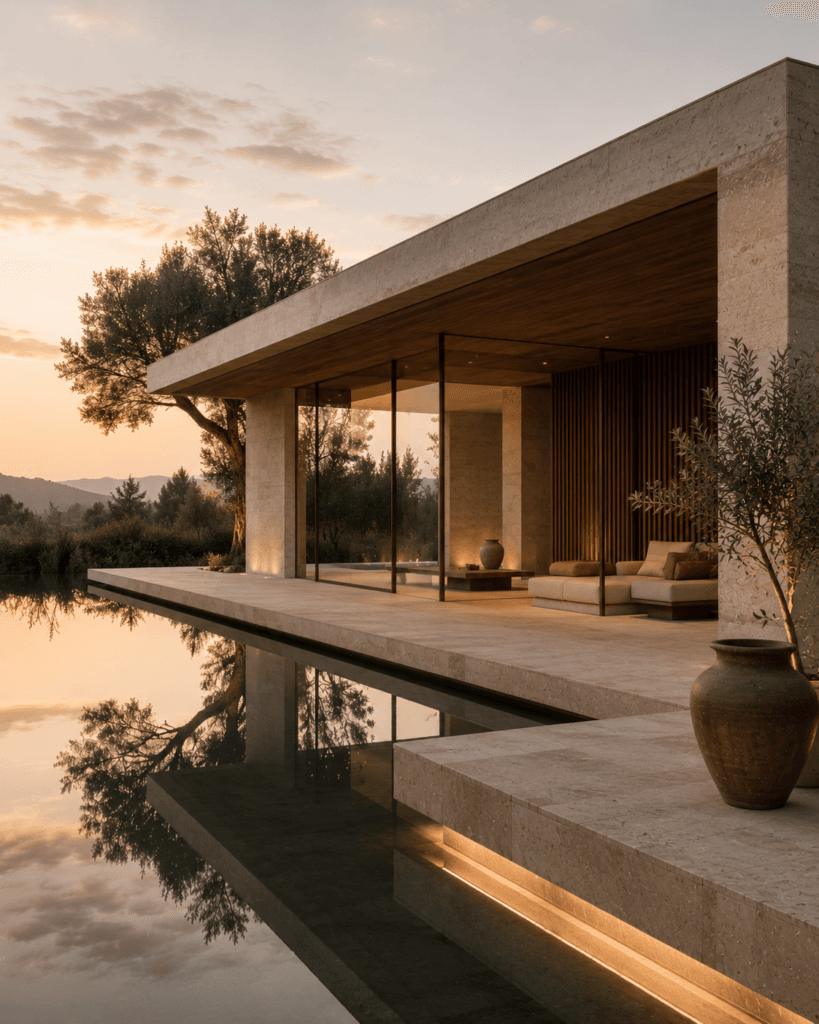
The Art of Timeless Design
Design trends come and go with remarkable speed. Colours shift with the seasons, materials rise and fall in popularity, and styles once celebrated often become dated within a few years. Yet some spaces continue to feel as relevant decades after they were created as they did on the day they were completed. Their appeal is not rooted in fashion, but in principles that endure.
Timeless design is often misunderstood as simplicity alone. In reality, it is the careful balance of proportion, materiality, light, and purpose. It avoids chasing the temporary in favour of creating spaces that remain meaningful as lifestyles evolve. Rather than asking what is popular today, timeless architecture considers what will still feel right years from now.
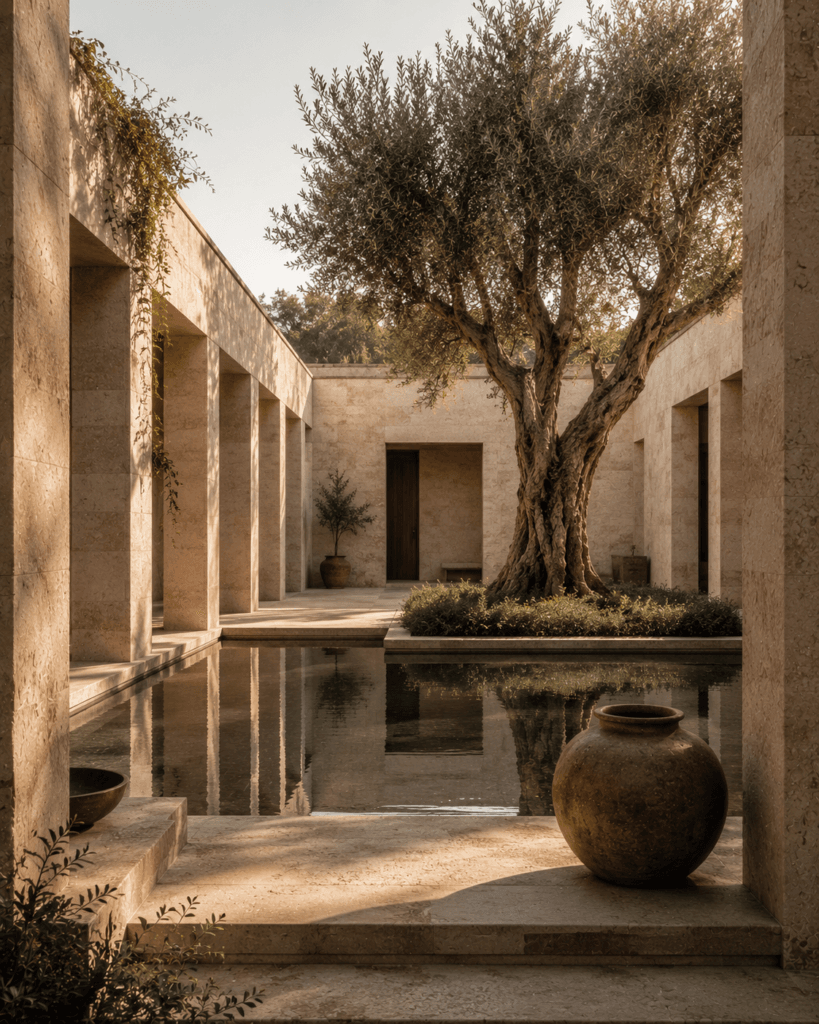
A well-designed space begins with clarity. Every room has a purpose, every transition feels natural, and every element contributes to the overall experience. When a design is guided by intention instead of excess, it creates an effortless sense of harmony that people may not consciously recognise, but instinctively appreciate.
Proportion plays a quiet yet defining role in this process. The relationship between height and width, openness and enclosure, light and shadow all influence how a space is experienced. Well-considered proportions bring balance without demanding attention, allowing architecture to feel calm, comfortable, and enduring.
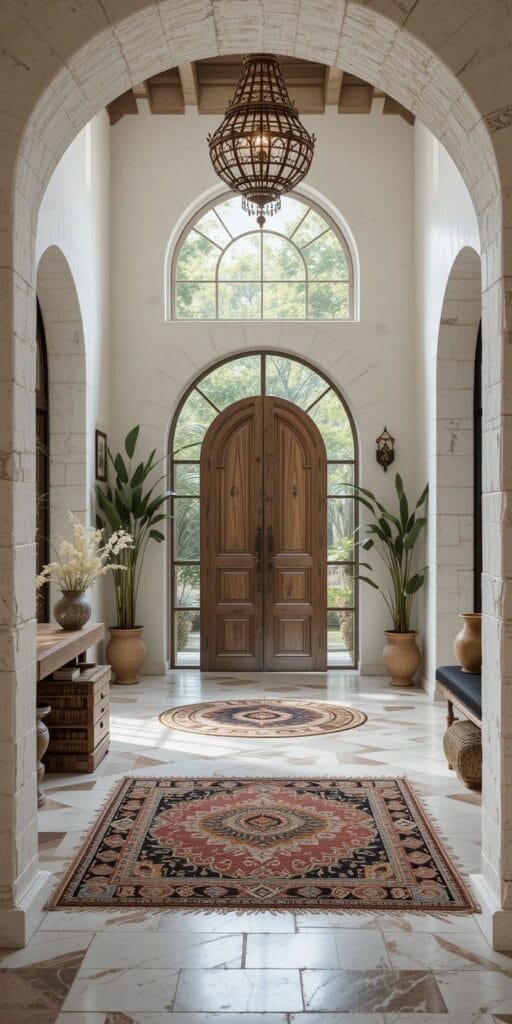
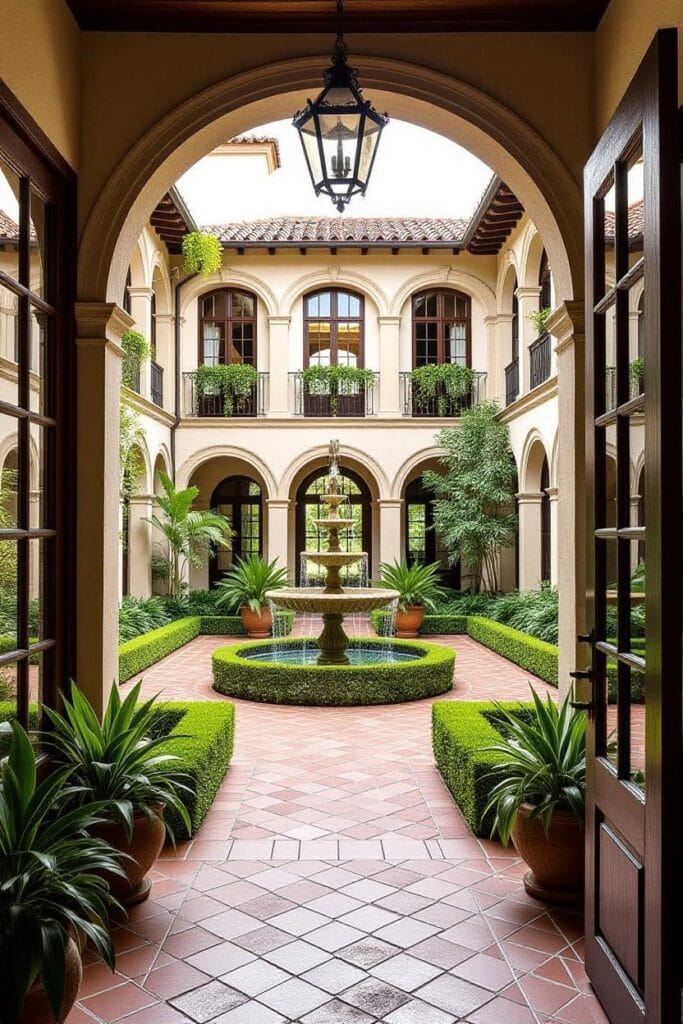
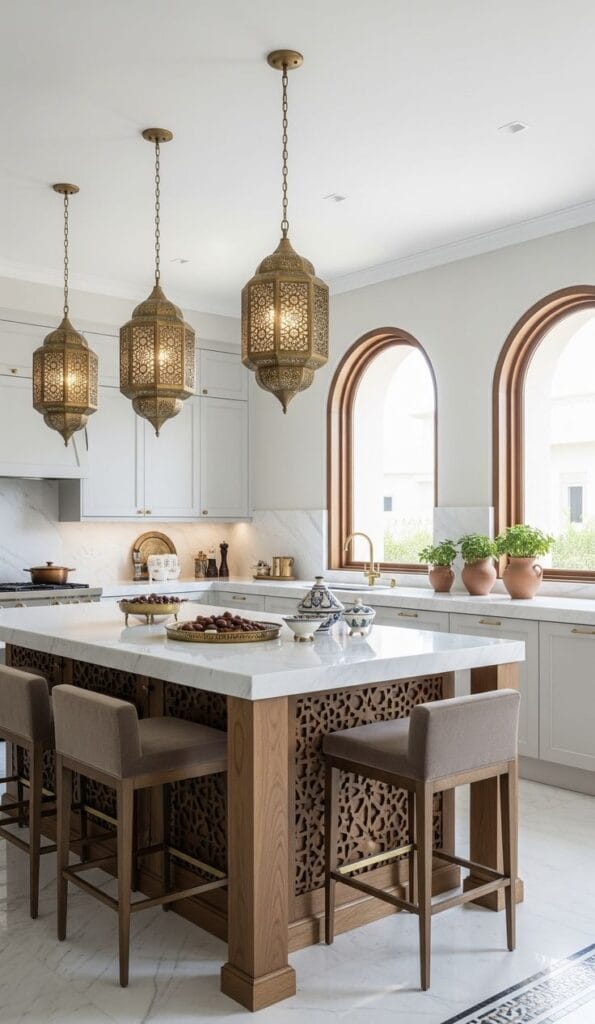
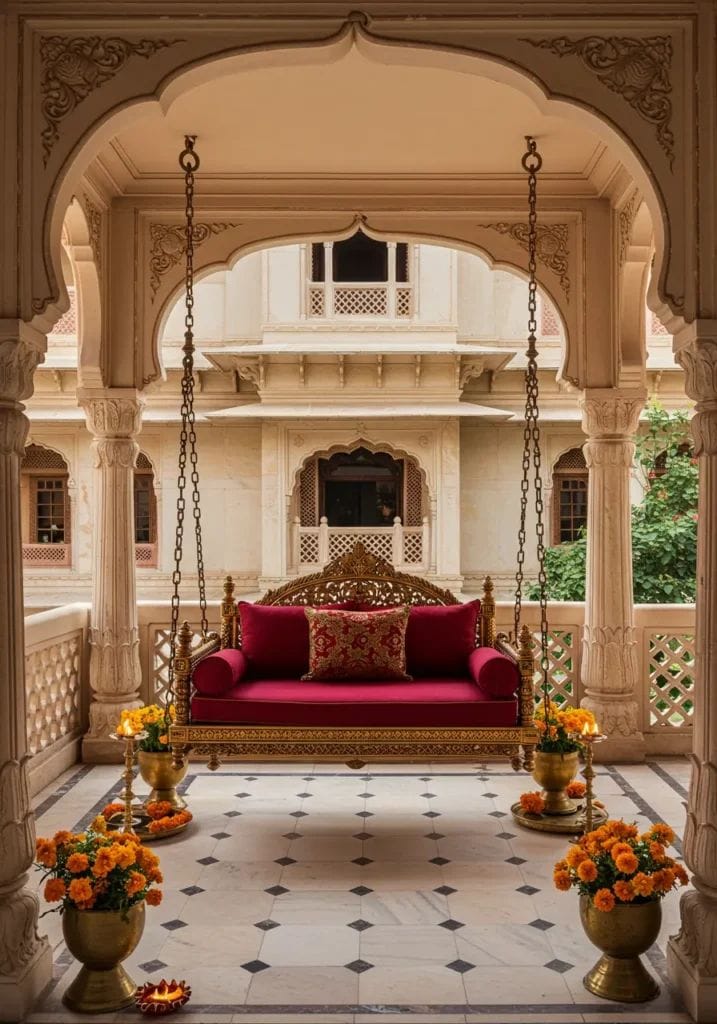
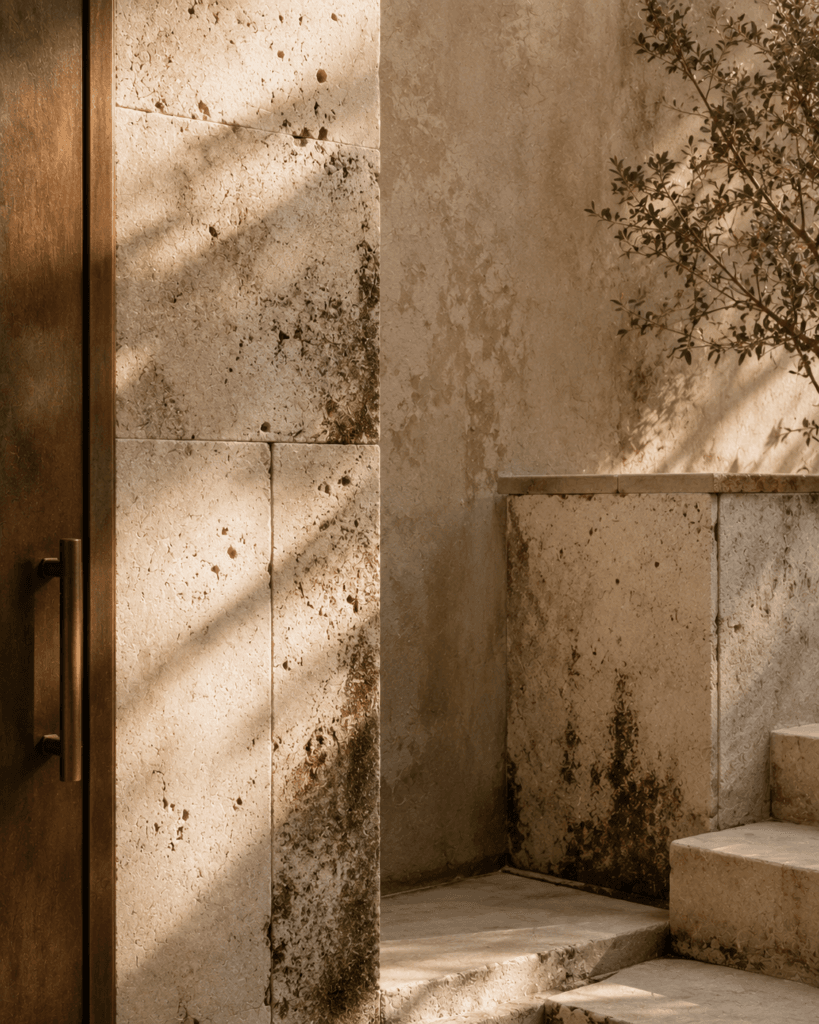
Materials are equally important. Natural stone, solid timber, textured plaster, and handcrafted finishes possess a quality that improves with time. They develop character through everyday use, revealing subtle variations that make each space unique. Their beauty lies not in appearing untouched, but in embracing the passage of time with grace.
Light has perhaps the greatest influence on how architecture is perceived. It transforms surfaces, highlights textures, and changes the mood of a room throughout the day. A timeless space welcomes natural light, allowing it to shape the experience rather than relying solely on decorative elements. As the sun moves, the architecture quietly evolves with it.
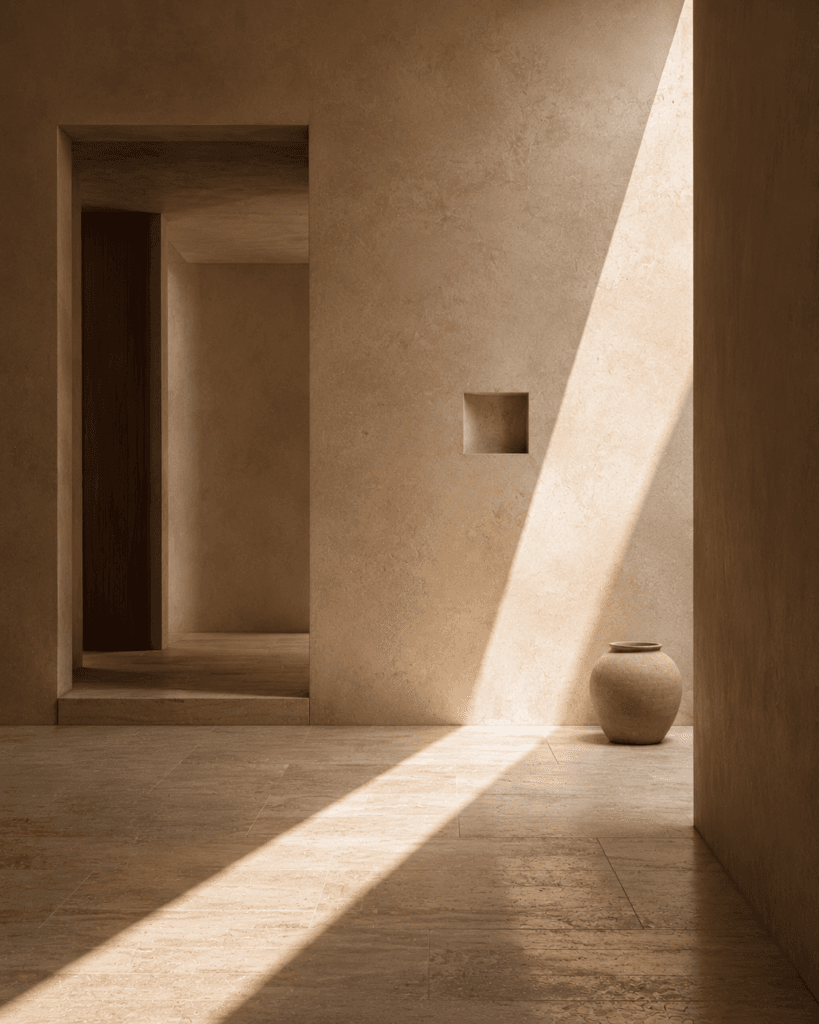
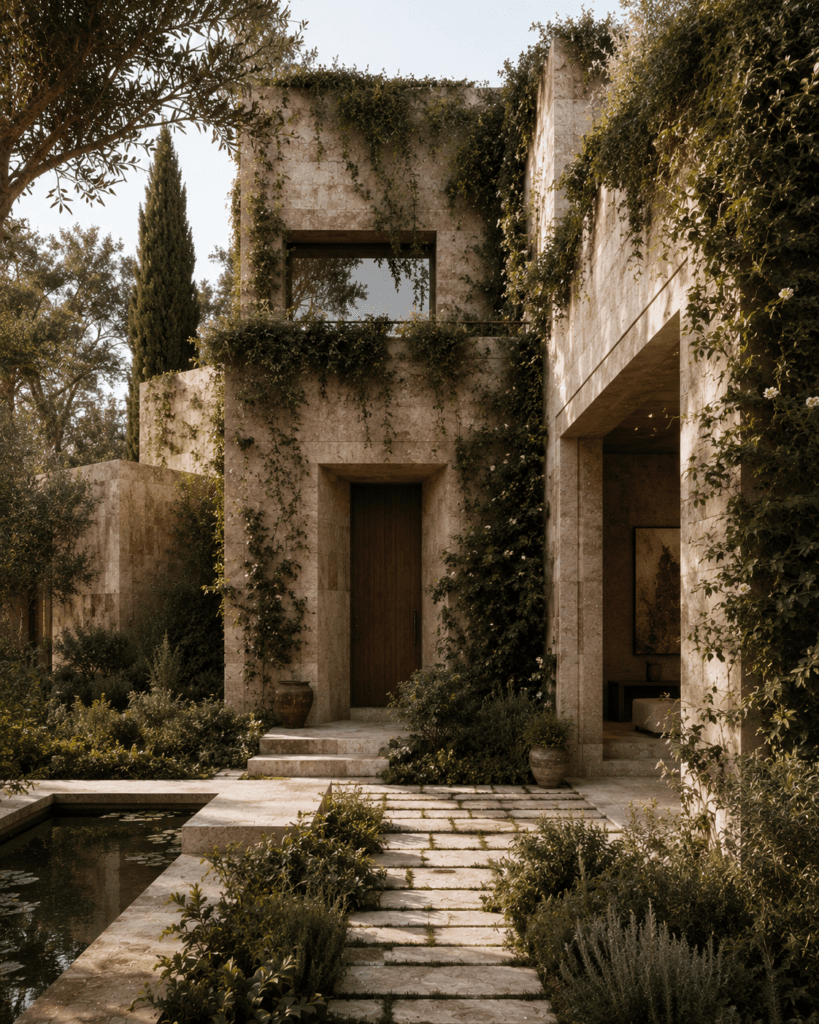
Restraint is another hallmark of enduring design. Luxury is rarely created through abundance. Instead, it emerges from thoughtful decisions, refined detailing, and the confidence to leave space uncluttered. When every material, object, and line serves a purpose, the result feels composed rather than crowded.
This philosophy extends beyond aesthetics. Timeless design is equally concerned with how people live. Homes should adapt to changing routines, growing families, and new ways of working without losing their identity. Flexible layouts, considered circulation, and spaces that encourage both gathering and solitude ensure that architecture remains relevant through every stage of life.
Context also shapes longevity. Buildings that respond to their surroundings often age more gracefully than those designed without regard for climate, landscape, or local character. Whether through shaded outdoor spaces, natural ventilation, or materials that reflect the region, architecture becomes more meaningful when it belongs to its environment rather than competing with it.
Perhaps the greatest measure of timeless design is how it makes people feel. Long after trends have faded and furnishings have changed, the atmosphere of a well-designed space remains. It is remembered for its warmth, its sense of calm, and the quiet confidence with which it supports everyday life. These qualities cannot be manufactured through decoration alone; they are achieved through thoughtful design from the very beginning.
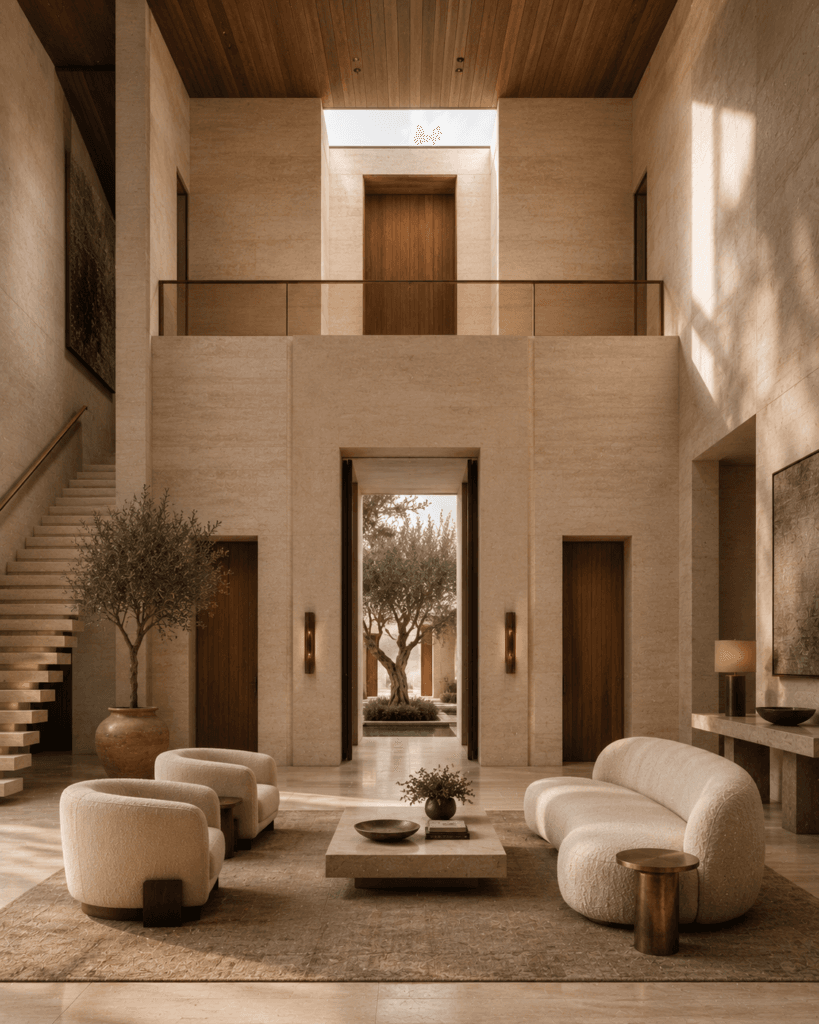
Creating spaces that endure requires patience and a willingness to look beyond immediate preferences. It is an approach that values longevity over novelty and authenticity over imitation. The result is architecture that continues to inspire not because it follows a particular era, but because it reflects principles that are universally human.
At Studio SP, we believe timeless design is not about resisting change it is about creating spaces that evolve gracefully while remaining true to their purpose. By focusing on proportion, natural materials, light, context, and the people who inhabit each space, we strive to create architecture that feels as relevant tomorrow as it does today. In a world defined by constant change, timeless design offers something increasingly rare: a sense of permanence, belonging, and lasting beauty.