The Art of Designing For Time Architecture That Ages Gracefully
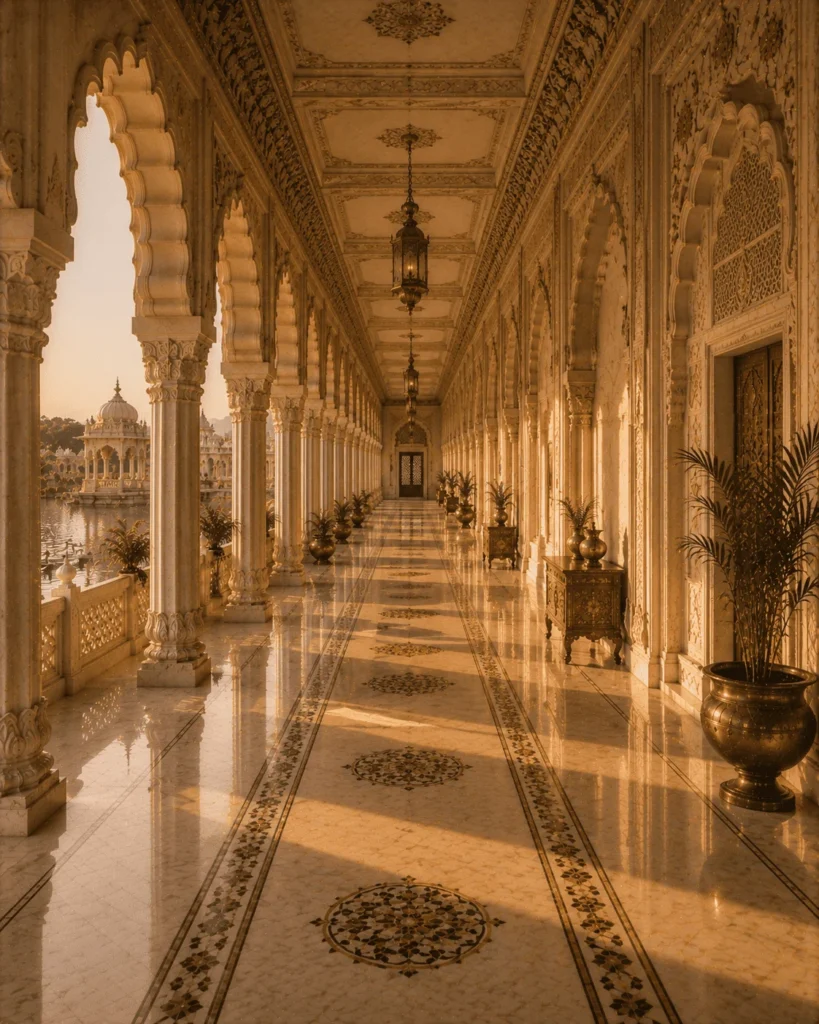
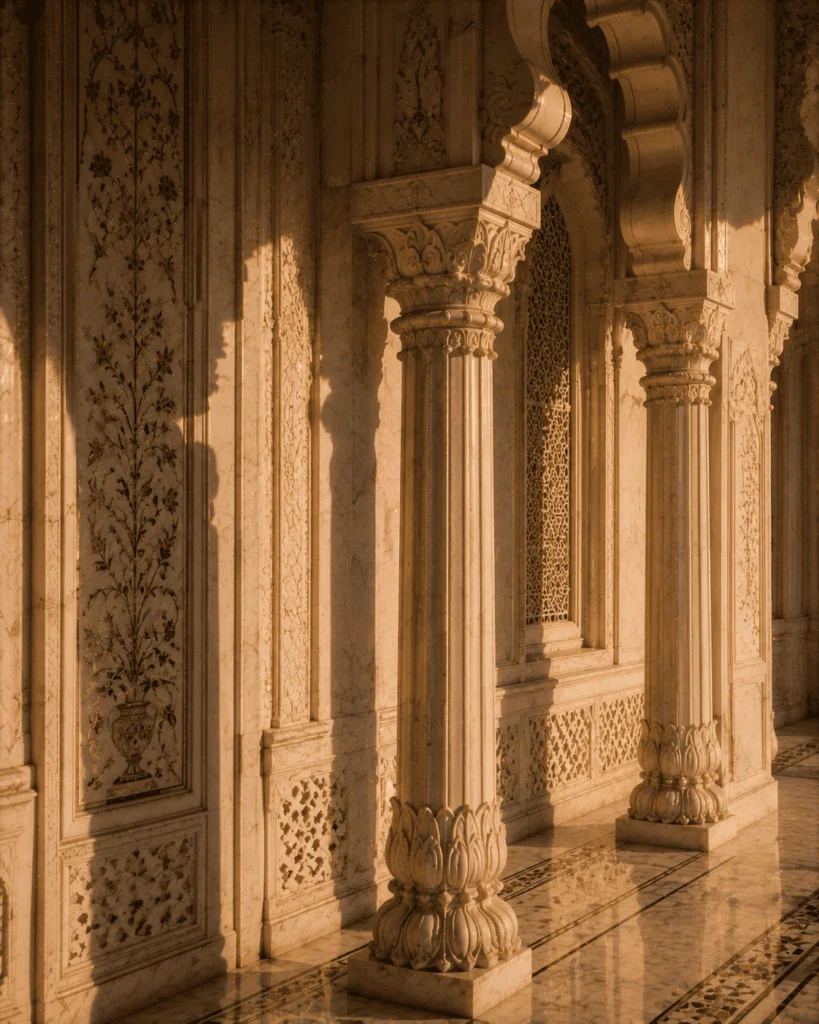
Materials play an integral part in the way architecture develops. Natural materials like wood, stone, or metal react to use and temperature in ways that create character instead of reducing value. The subtle changes in tone texture, and even finish produce the appearance of a patina reflecting lived experiences. These changes aren’t flaws as they are evidence of the passage of time.
Beyond materials, proportions and clarity are the key to the durability. Spaces that are heavily influenced by trend or blatant gestures typically appear outdated as styles shift. However, architecture that is grounded in light, balance and restraint is still relevant since it doesn’t rely on an exact moment in time. Its simplicity allows a structure to change to changing needs to new needs, functions, and the ever-changing methods of living.
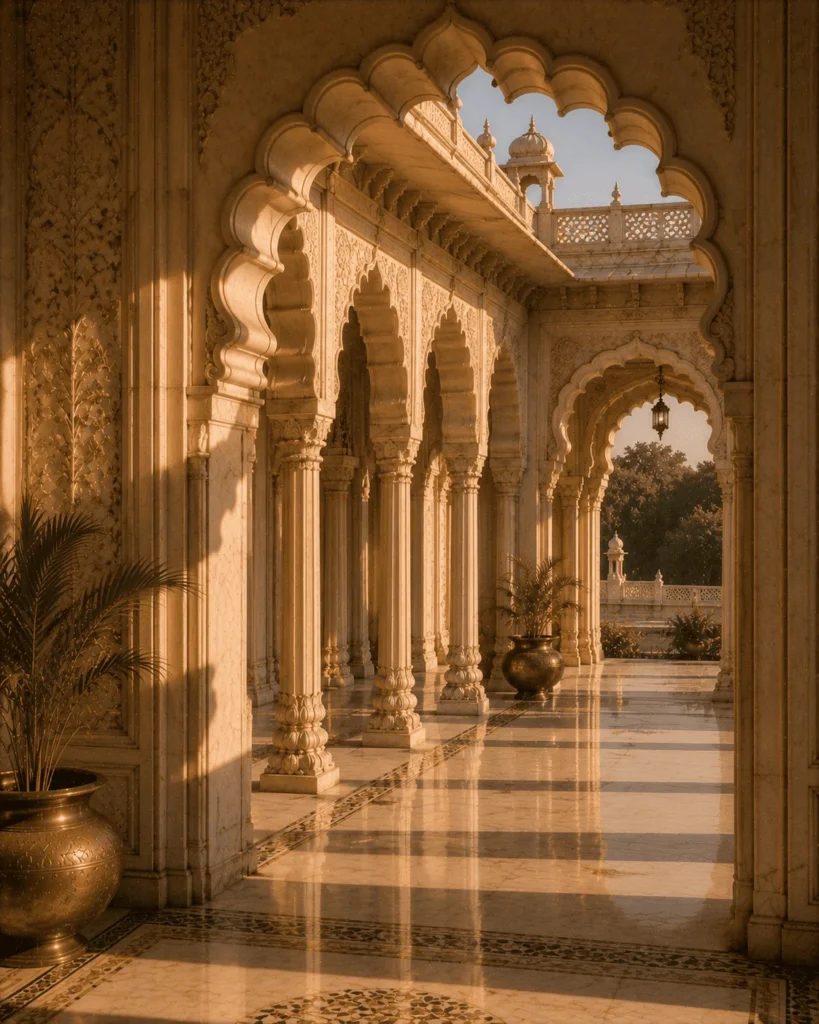
The concept of designing for time also includes anticipating use and movement. Circulation routes, thresholds and transitions should be easy to understand that allow spaces to work seamlessly throughout decades of everyday life. If architecture is able to adapt to changes and doesn’t lose the essence it can be durable.
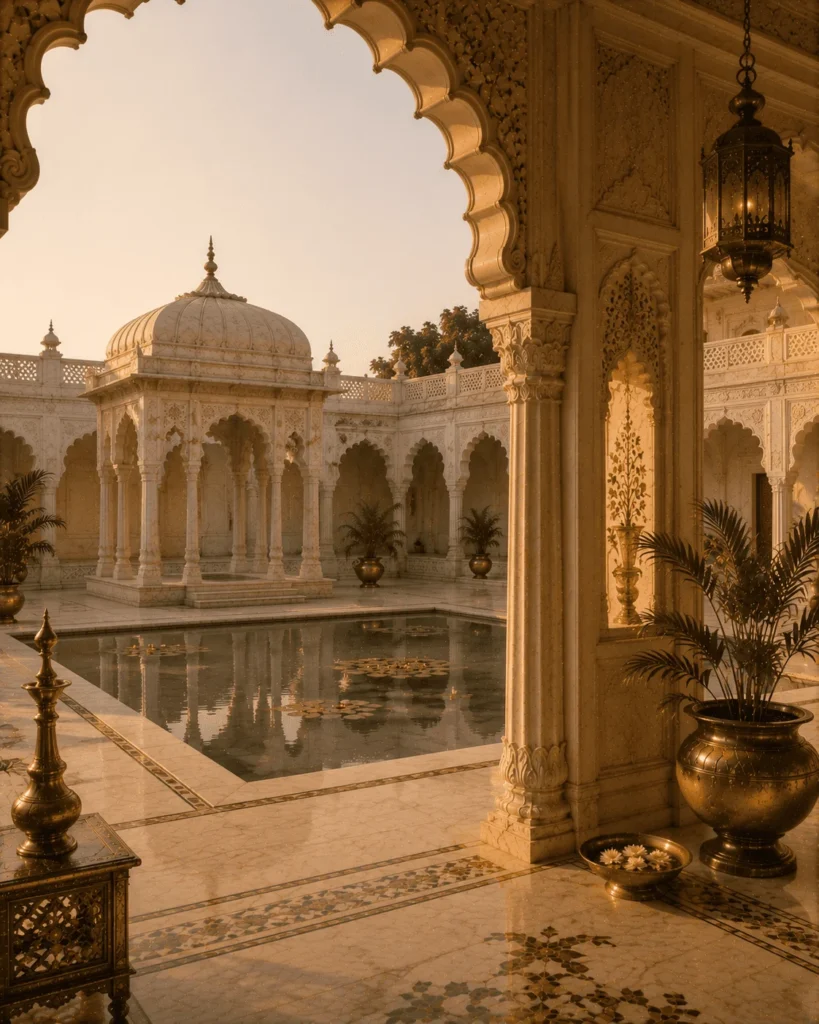
Light is a further factor in this connection with time. When daylight changes throughout the day, and throughout the seasons, it continually alters the space. This subtle change makes sure that architecture is never static even though it is fundamentally constant.
Ageing gracefully isn’t an accident. It’s the result deliberate choices – structures that age, materials that last and spaces that place the experience over the novelty. Architecture designed with the concept of time in mind develops more depth, not losing its significance, ensuring stability in an ever-changing environment.