Handmade in the Age of Precision: Why Imperfection Is the New Luxury
There was a time when luxury in interiors was defined almost entirely by precision. Smooth surfaces, exact symmetry, and flawless finishes became visual signals of sophistication because technology allowed perfection to be produced effortlessly and at scale. Every material could be refined until no trace of the human hand remained visible. Spaces appeared immaculate, controlled, and visually complete from the very beginning.
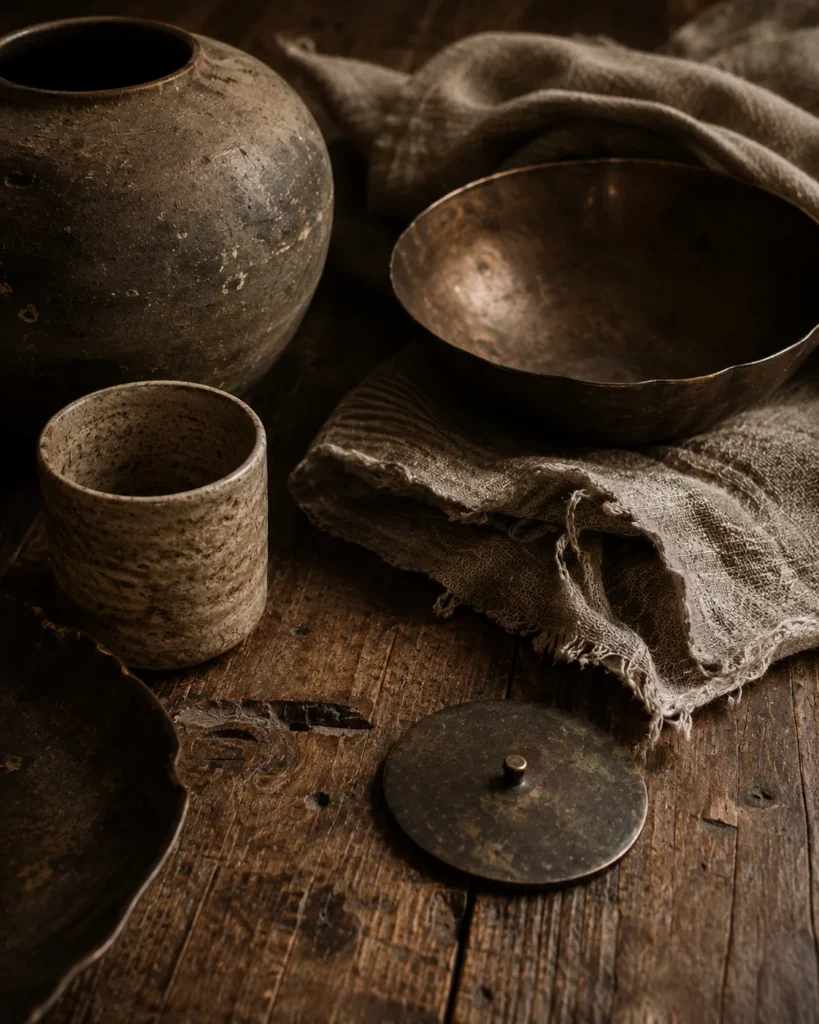
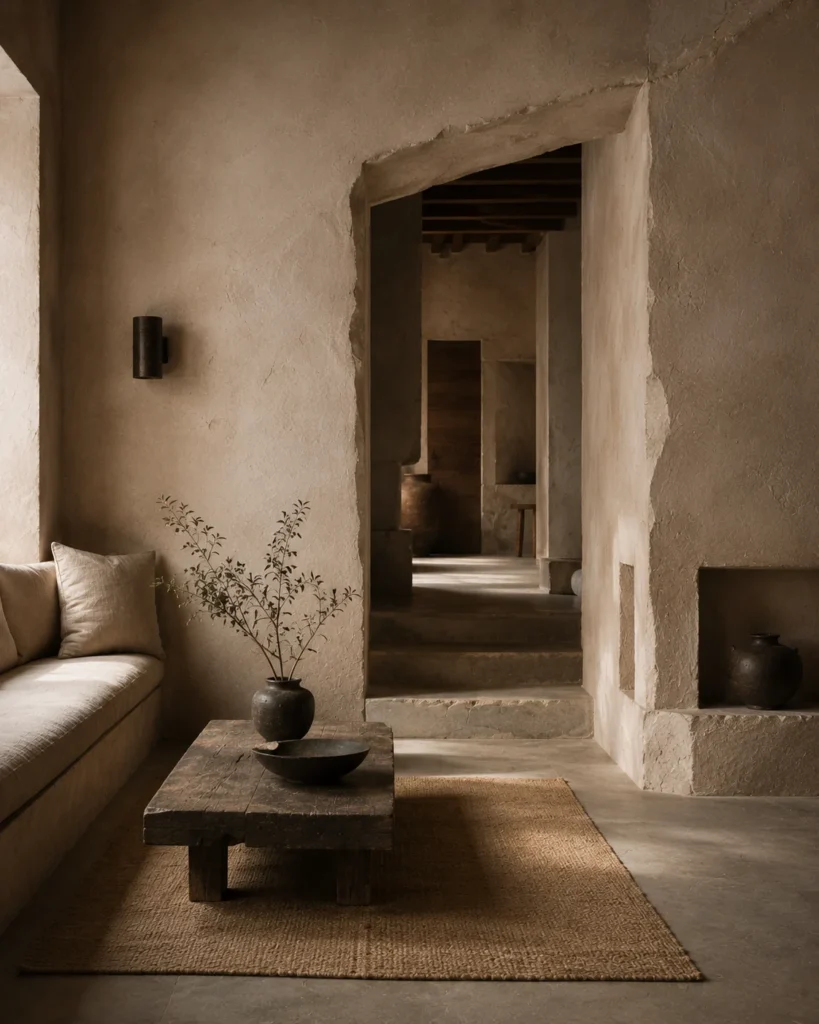
Yet as perfection became increasingly accessible, it also became strangely familiar. What once felt exclusive slowly lost its emotional weight. In response, the idea of luxury has begun shifting toward something quieter and far more human. Increasingly, the most compelling interiors are not the ones that appear untouched, but the ones that carry a sense of tactility, atmosphere, and individuality. Spaces where materials feel alive rather than manufactured. Rooms where slight irregularities create warmth instead of disruption.
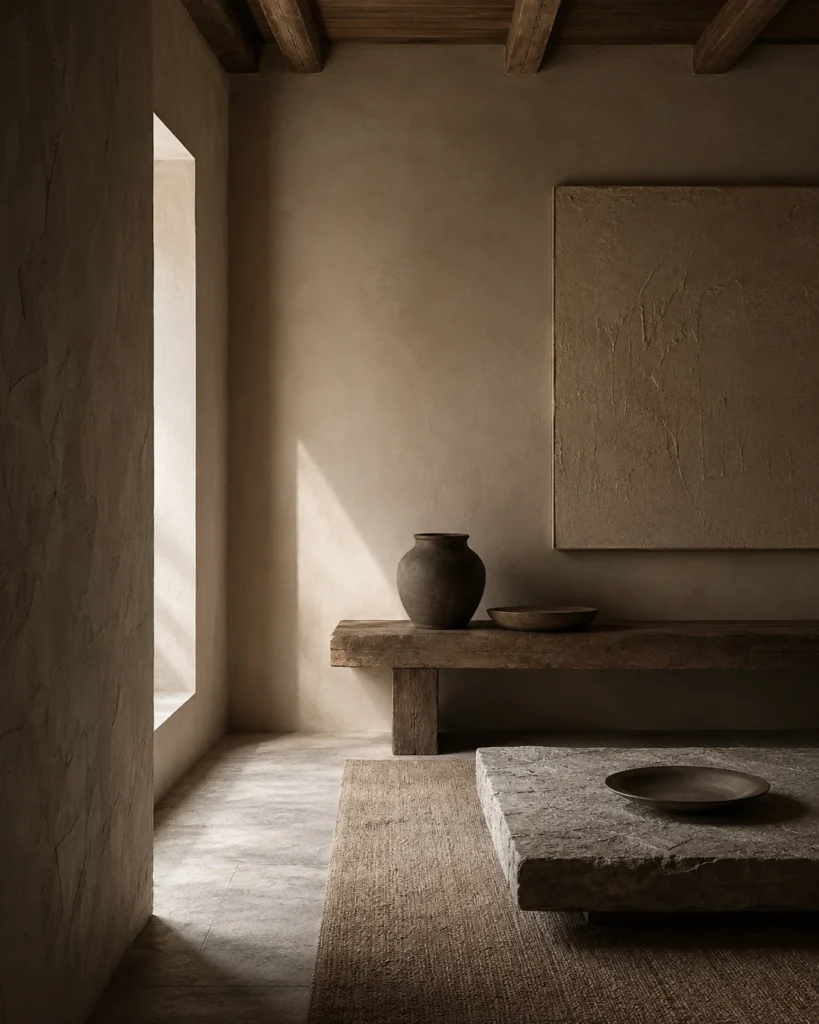
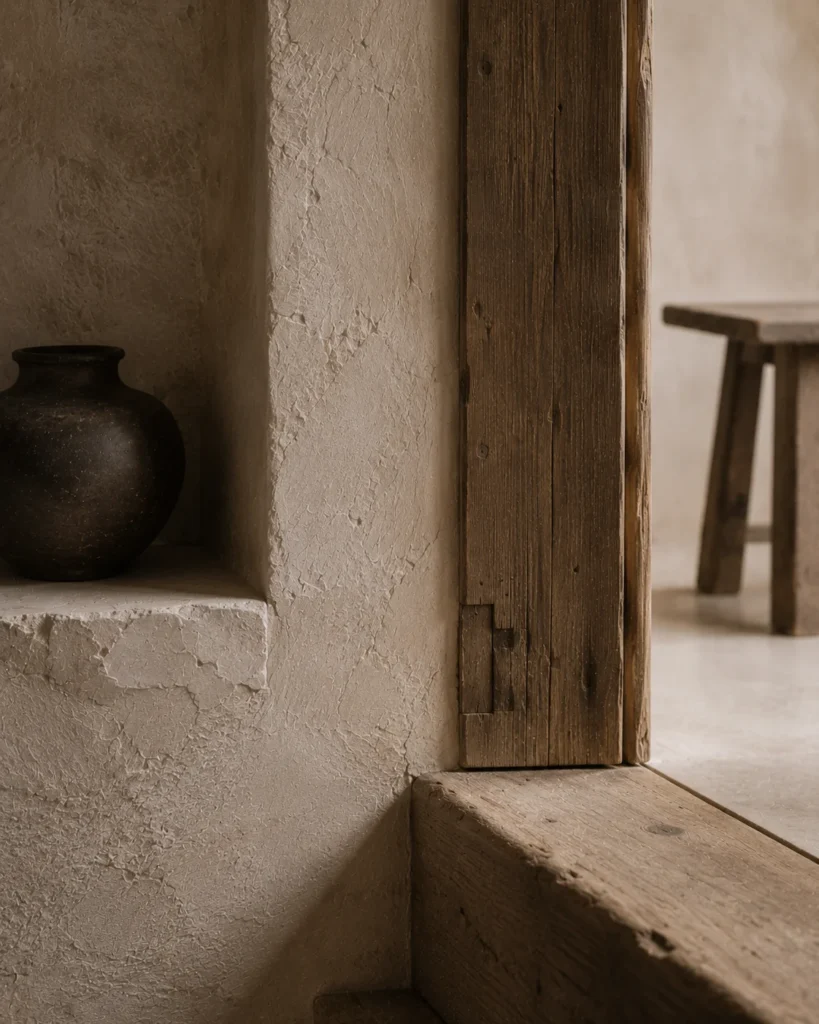
The appeal of handmade surfaces lies within this subtle tension between restraint and imperfection. A hand finished plaster wall reflects light differently throughout the day, revealing tonal shifts and shallow textures that cannot be digitally replicated. Morning light settles softly across its surface, while evening shadows begin emphasizing movements almost invisible only hours earlier. The room changes gradually with time, not through dramatic transformation, but through quiet variation.
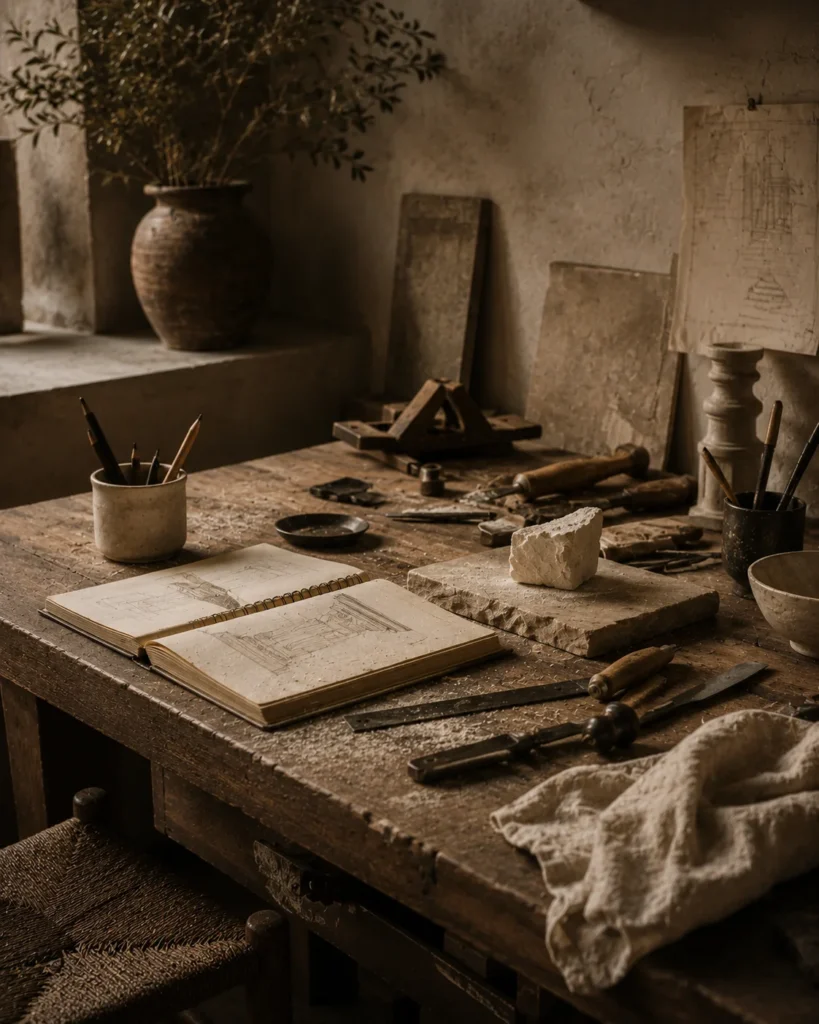
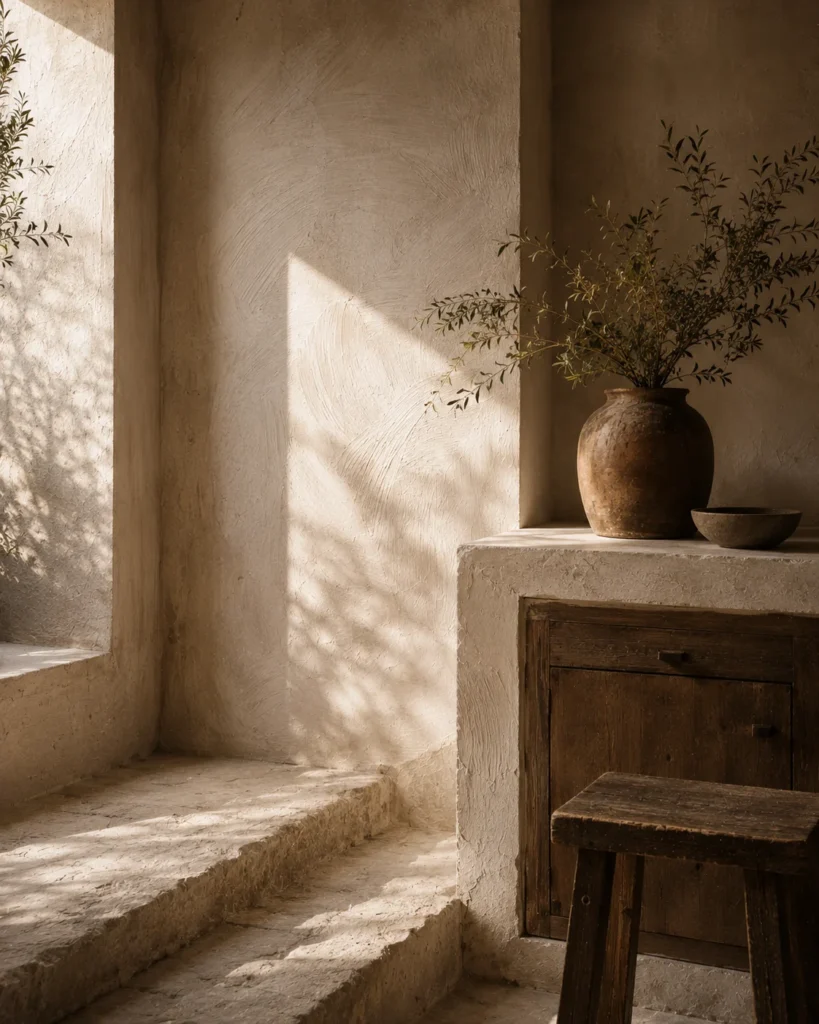
This is what gives handmade materials emotional depth. Their value is not purely visual. It is sensory. The body responds instinctively to surfaces shaped through touch and process rather than mechanical repetition. Timber worked by hand carries a softness that feels settled and natural. Ceramic tiles formed individually reveal delicate inconsistencies in glaze and edge that prevent repetition from becoming sterile. Even before noticing these details consciously, people often experience them emotionally.
Mass production seeks consistency because consistency is efficient. Craft operates differently. It allows materials to retain aspects of their natural behaviour instead of forcing absolute uniformity upon them. The slight movement within lime plaster. The subtle unpredictability of mineral glaze after firing. The softened edges of hand joined timber. These elements are not flaws waiting to be corrected. They are evidence that a material has been allowed to exist honestly.As interiors continue becoming increasingly polished and visually controlled, this honesty feels more valuable than ever. Many contemporary spaces appear complete the moment they are photographed, leaving little room for life to shape them naturally over time. Their perfection feels fragile. A scratch, mark, or sign of wear immediately appears disruptive because the architecture was never intended to evolve.
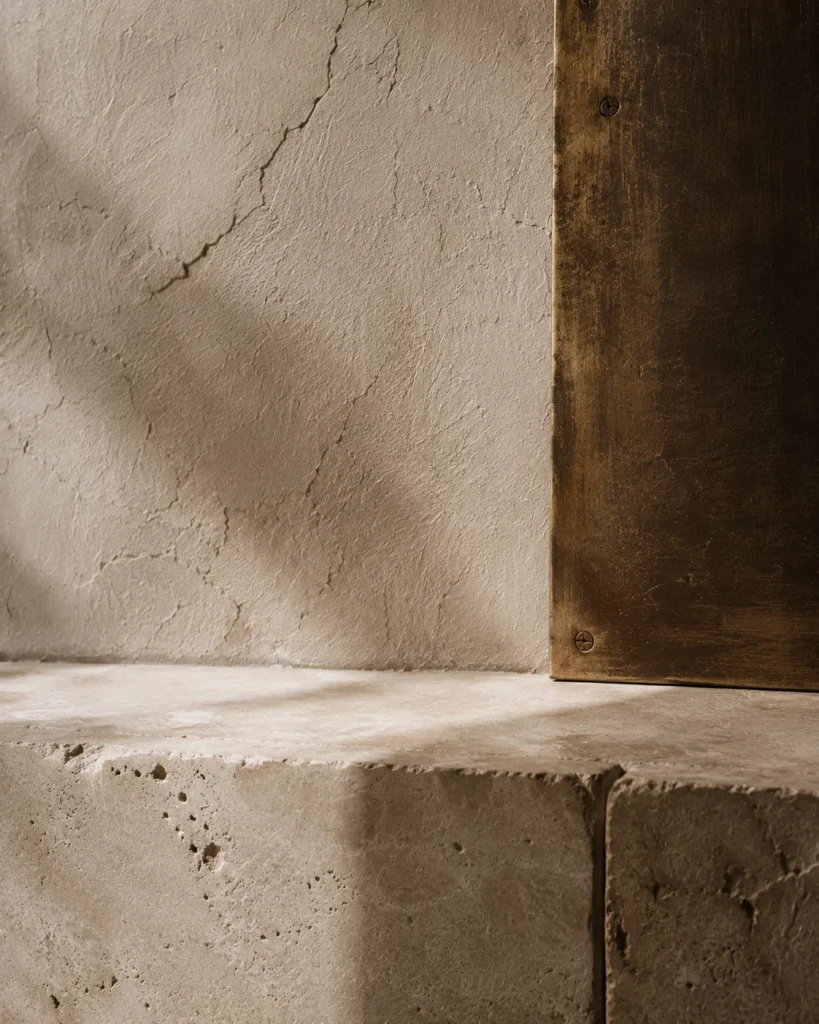
Handmade materials respond to ageing differently. They absorb time gracefully. Wear becomes part of their character rather than damage against it. Stone flooring softens subtly along familiar pathways. Brass develops patina through repeated contact. Timber deepens in warmth as natural light shifts across its surface over years of inhabitation. These changes create emotional continuity between people and place, allowing interiors to feel increasingly personal rather than visually exhausted. There is also a quiet cultural depth embedded within craftsmanship itself. Traditional techniques such as plastering, joinery, or ceramic glazing are not simply aesthetic gestures. They are practices shaped slowly across generations through repetition, material understanding, regional climate, and lived experience. Every handmade surface carries traces of accumulated knowledge within it, even when those traces remain invisible at first glance.
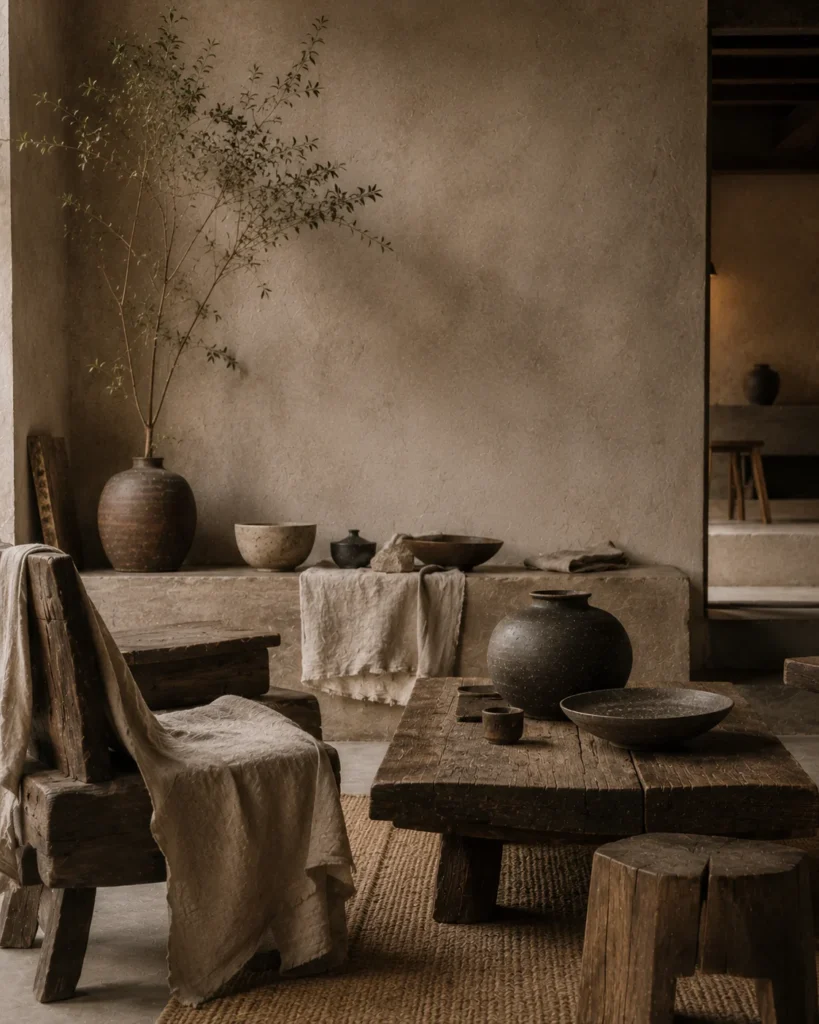
At SP Studio, this appreciation for craftsmanship often becomes part of the emotional experience clients remember most clearly. A homeowner running their hand across a textured plaster wall during the final walkthrough. The quiet satisfaction of seeing natural timber age beautifully months after moving in. A dining space that feels warmer not because of decoration alone, but because every material carries softness, variation, and a sense of being genuinely lived with. These are subtle moments, yet they often become the details that make a space feel deeply personal over time.
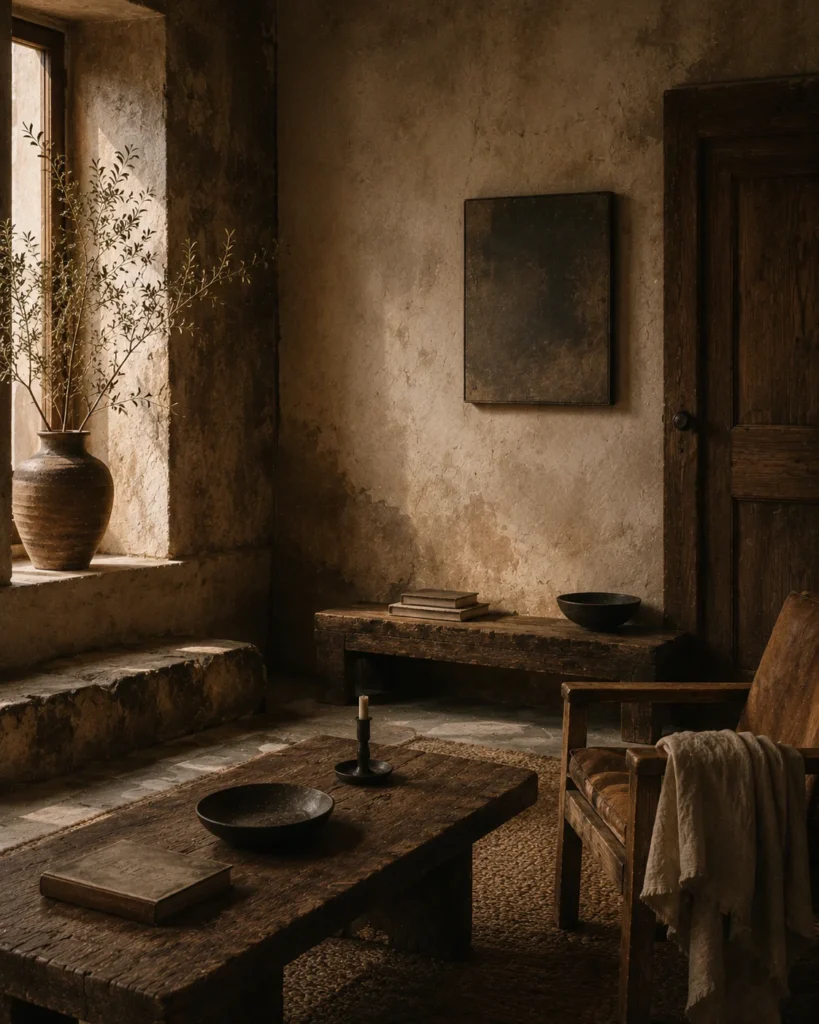
To incorporate these materials into contemporary interiors is not about nostalgia or imitation of the past. It is about preserving a relationship between maker and material that industrial production often removes entirely. Craft introduces a sense of permanence and humanity into architecture before the occupants themselves begin shaping the space through daily life. What makes handmade interiors especially compelling is their ability to reveal themselves gradually. Their richness unfolds slowly through lived experience. Certain textures become more noticeable after months rather than moments. Light interacts differently as materials mature. Surfaces develop familiarity through repetition and use. The atmosphere deepens quietly over time.
Perhaps this is why handmade spaces feel increasingly aligned with the idea of modern luxury today. Not because they are visually extravagant, but because they resist disposability. They are designed to age, adapt, and gather meaning rather than remain frozen within a singular moment of perfection.