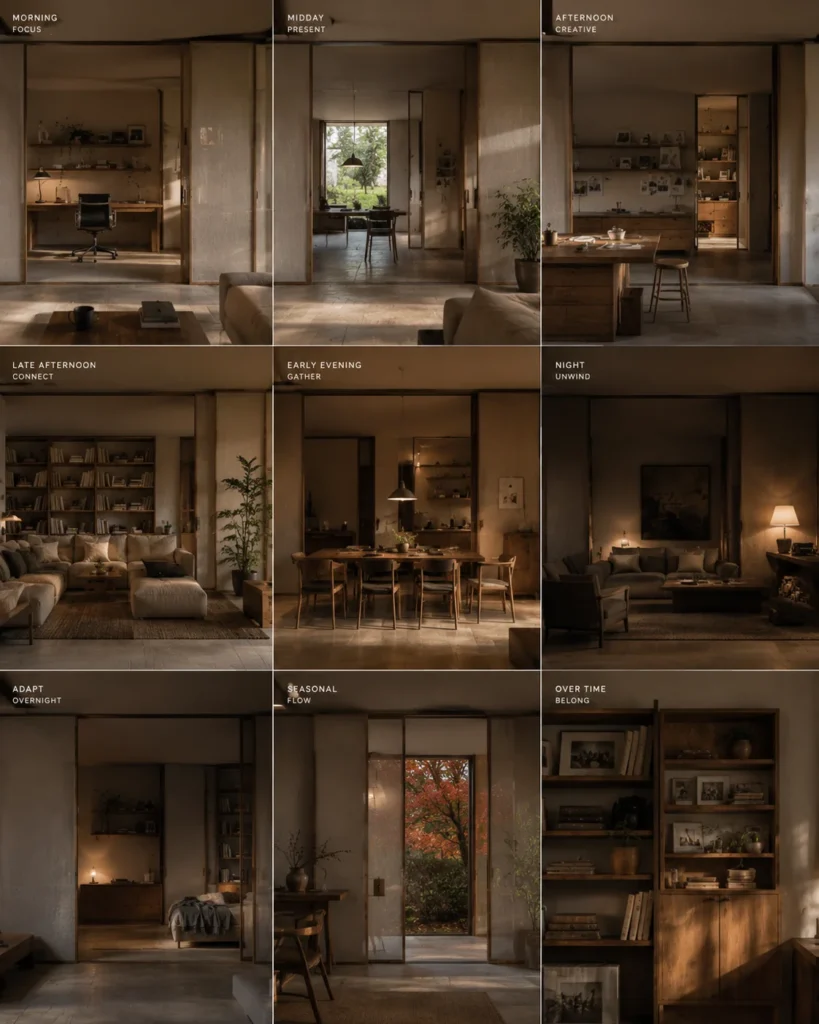
Designing for Time: How a Room Learns to Grow Alongside Its Owner
Most things in modern life are designed to be replaced. Furniture follows seasonal collections, materials respond to trend cycles, and entire interiors are refreshed every few years to remain visually aligned with the moment. Spaces are expected to evolve quickly because culture itself now moves quickly. What feels desirable today often feels exhausted tomorrow. Yet within that constant rhythm of replacement, a quieter philosophy has begun to emerge, one that values longevity over novelty and emotional permanence over visual immediacy.
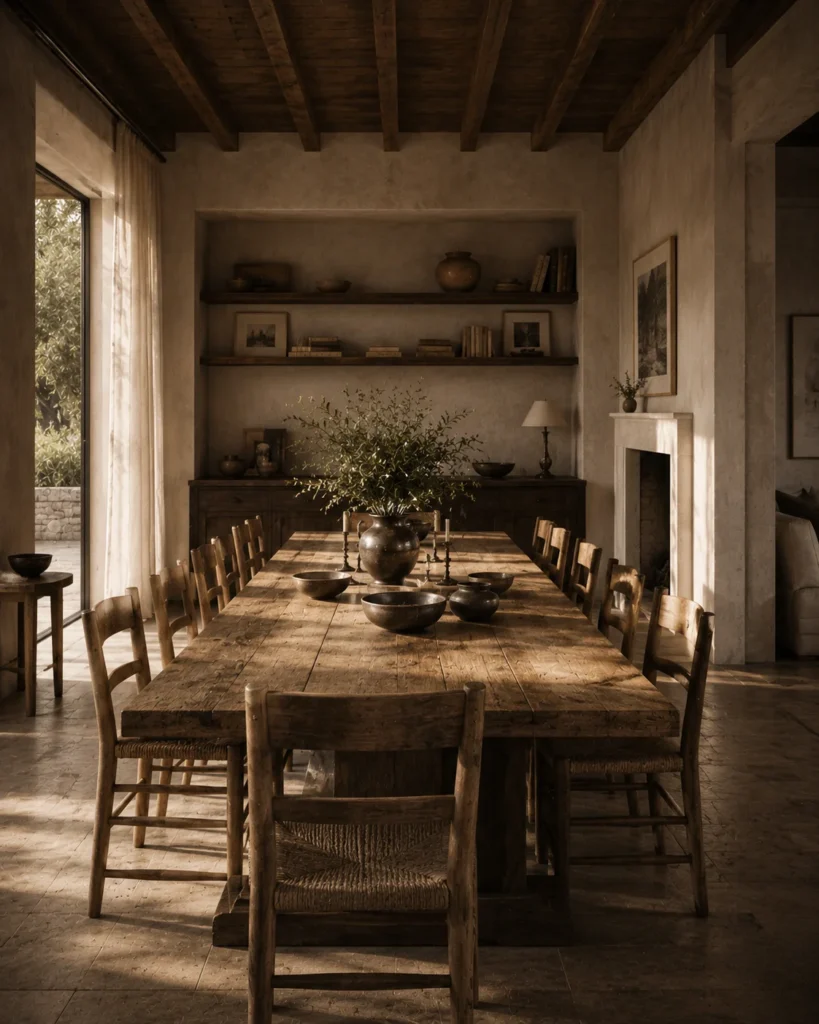
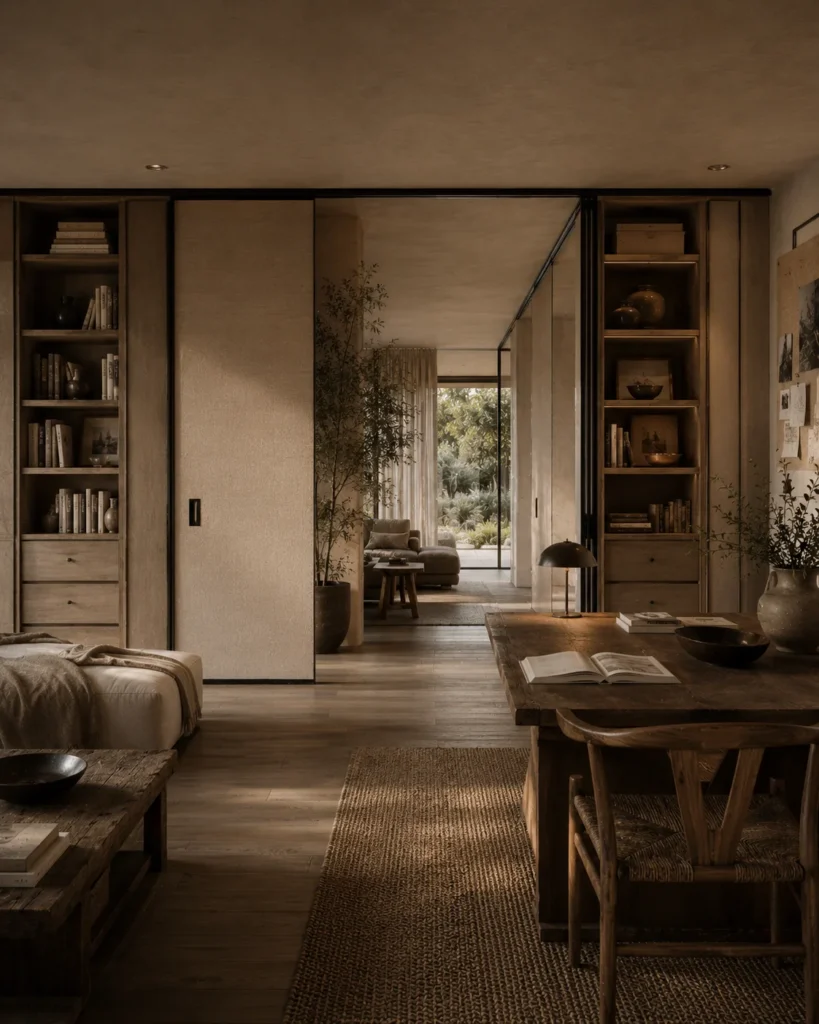
The most memorable interiors are rarely the ones that appear untouched. They are the ones that seem to settle deeper into themselves over time. Rooms that feel warmer after years of use, materials that become more beautiful because they have been lived with, and spaces that no longer feel styled or recently completed, but entirely inhabited. This changes the fundamental question of design. Instead of asking how a room will photograph on the day it is finished, the conversation becomes about how it will feel years later on an ordinary morning when sunlight falls across the same floor it has touched a thousand times before. Whether the dining table will still invite gathering after years of celebrations and everyday rituals. Whether the materials chosen today will carry the marks of life gracefully or simply appear worn.
These are not sentimental questions. They are deeply practical ones. Truly timeless interiors are rarely created through dramatic gestures. They emerge through restraint, proportion, patience, and an understanding of how people actually live over time. One of the clearest signs that a room was designed only for the present moment is how quickly it begins to feel visually exhausted. Trend driven interiors often rely on novelty and immediate impact, but what creates excitement quickly often loses emotional relevance just as quickly. The room begins to feel tied too specifically to a singular moment in design culture.
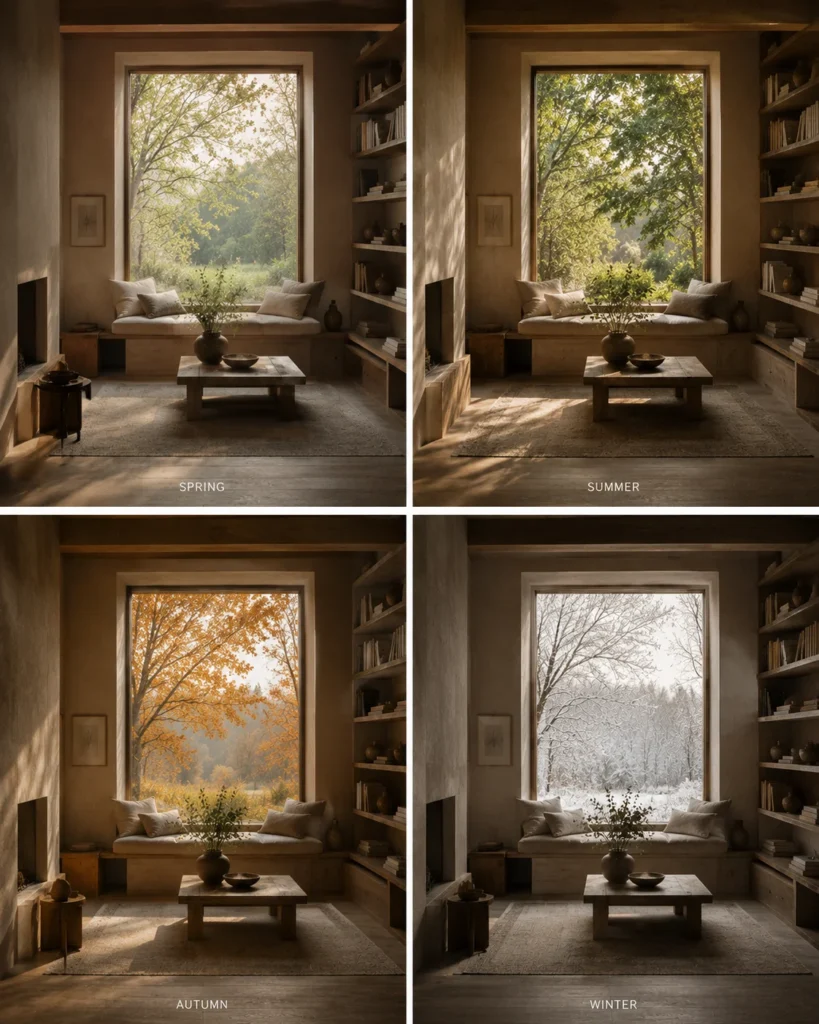
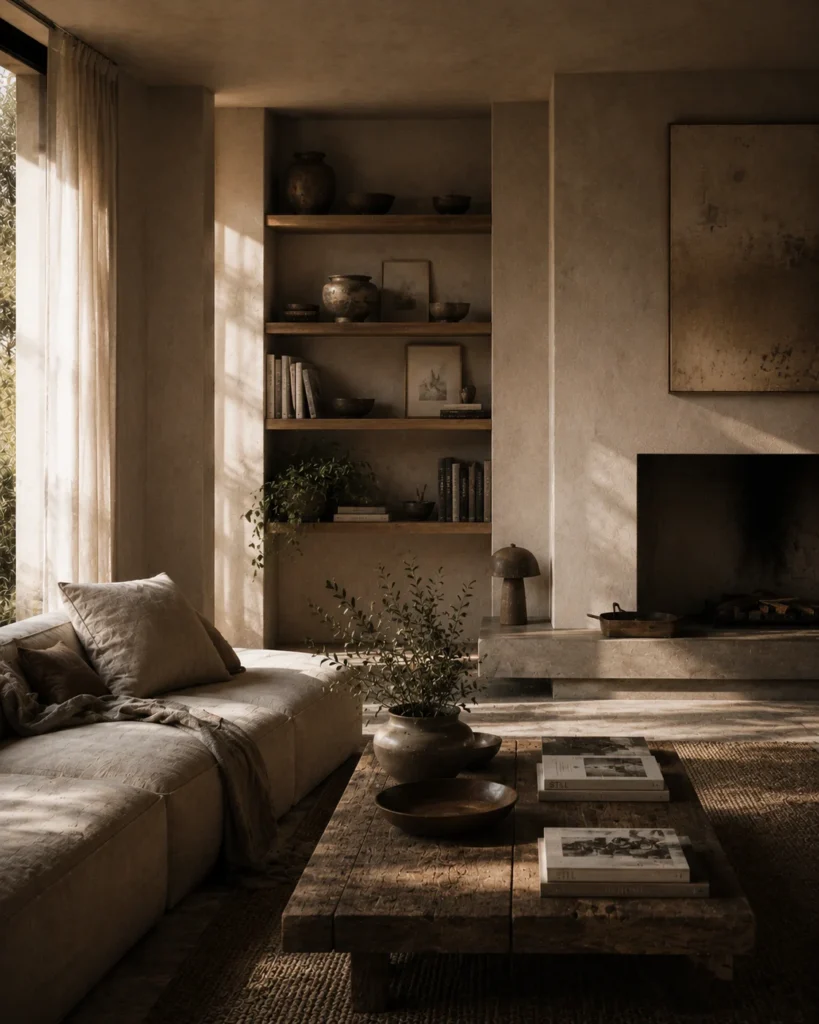
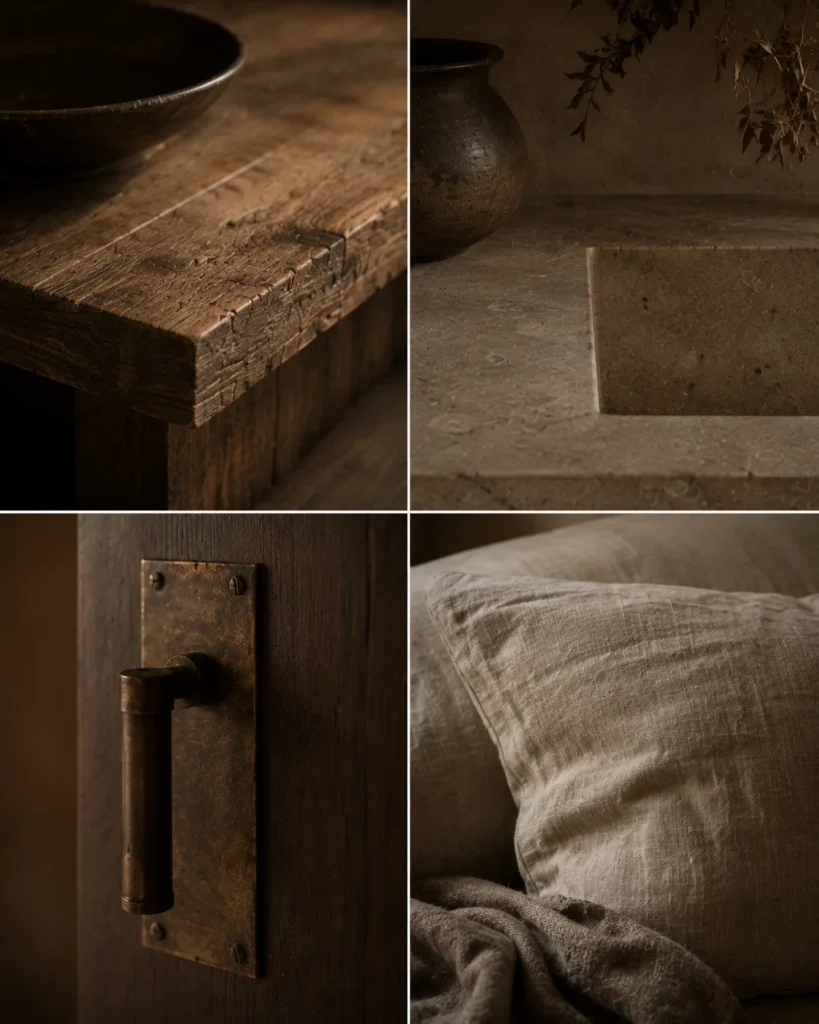
Rooms designed for longevity behave differently. They are quieter initially, more restrained, sometimes almost understated in photographs. But over time, they deepen. Materials soften, surfaces develop texture, and light interacts differently as seasons change. What once seemed minimal begins to feel intentional, grounded, and enduring. There is a reason natural materials continue to hold such emotional weight in lasting interiors. Wood changes with light and touch, stone softens at its edges, linen relaxes, and leather gathers marks that become inseparable from memory itself. These materials do not resist age. They absorb it gracefully.
Perhaps that is the real difference between decorative design and lasting design. One attempts to preserve a moment, while the other allows for evolution. Luxury interiors today are increasingly moving toward this softer understanding of permanence, not the cold perfection that dominated earlier decades, but a more human idea of beauty rooted in atmosphere rather than spectacle. Rooms that feel collected instead of curated. Spaces that allow for imperfection because they understand that imperfection is often evidence of living well. This shift is visible quietly in thoughtfully designed homes today. In the growing preference for tactile finishes over glossy surfaces, in the return of handmade plaster, natural stone, warm timber, and furniture chosen less for trend alignment and more for emotional longevity. There is a growing exhaustion with interiors designed purely for visual performance. People want homes that calm them, not spaces that constantly ask to be admired.
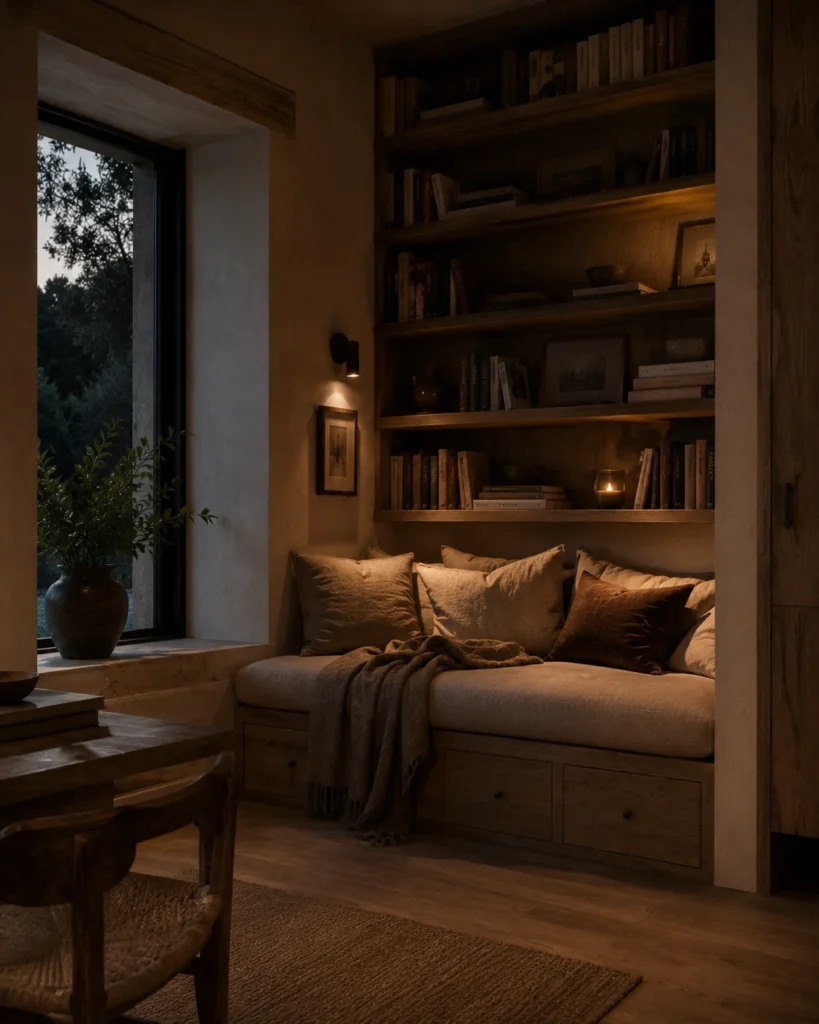
At SP Studio, this understanding often reveals itself through the moments clients remember long after the project is complete. A family gathering comfortably around the dining table during their first festival in the new home. A quiet reading corner slowly becoming someone’s favourite place at the end of long days. Morning light entering a bedroom exactly the way the homeowner had once imagined during early design conversations. These moments rarely appear in portfolio photographs, yet they are often the truest measure of whether a space has succeeded.
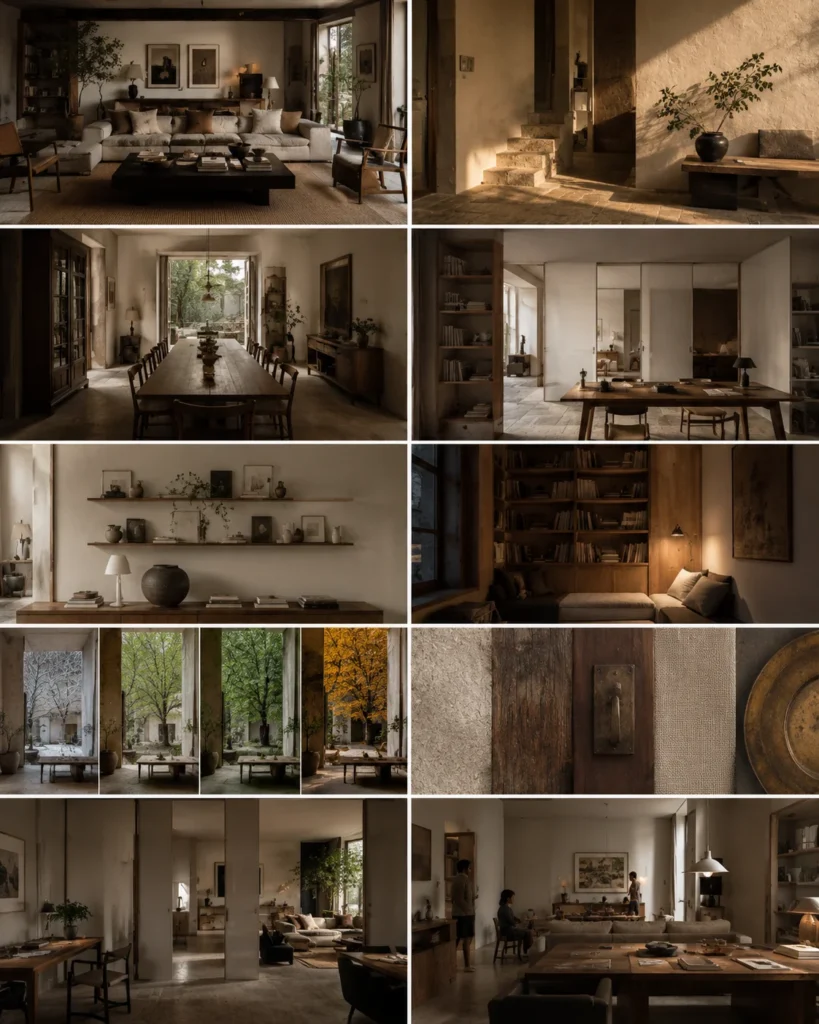
That emotional shift changes the way good design is approached. When interiors are designed with the future occupant in mind rather than the immediate audience, decisions become more thoughtful. Proportions matter more than statement pieces, natural light matters more than decorative excess, and spatial flow matters more than visual complexity. A well designed room understands movement instinctively. It anticipates how life shifts over decades, a living room generous enough to hold both solitude and celebration, seating that welcomes long conversations rather than temporary admiration, and thresholds that feel intuitive and effortless over time.
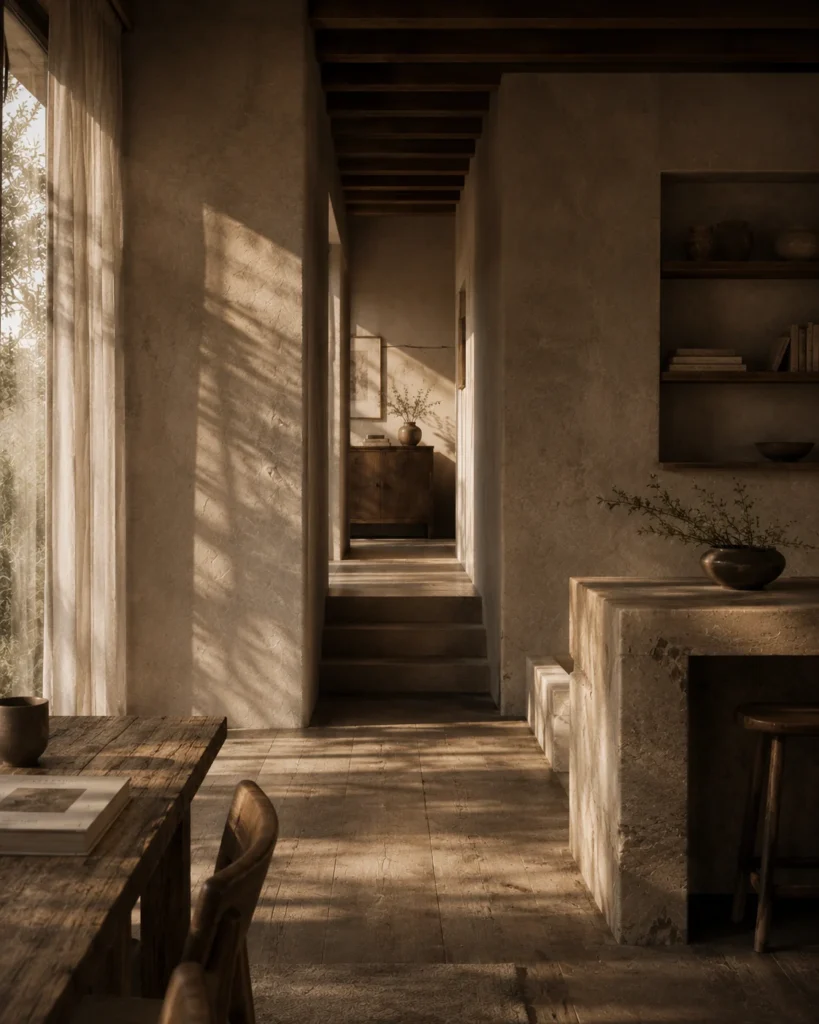
The most enduring spaces are never only about aesthetics. They are about emotional intelligence. About understanding how environments shape memory, comfort, pace, and identity. A beautifully designed home does not simply look resolved. It feels supportive. It allows life to unfold naturally within it. Perhaps that is the highest achievement any interior can reach, to feel not imposed, but inevitable. To feel as though it could belong nowhere else and to no one else.
Because in the end, the spaces people remain emotionally connected to are rarely the ones designed only to impress visually. They are the homes that quietly become part of everyday life. The dining table where conversations continue long after meals are finished. The corner that naturally becomes someone’s favourite place to pause and unwind. The soft morning light that turns an ordinary routine into something comforting. Designing with longevity in mind means understanding that a home is never truly static. It evolves continuously through memory, movement, rituals, and human presence. And the most meaningful interiors are the ones created thoughtfully enough to adapt, mature, and live gently alongside the people who inhabit them.