Designing Across Cultures: Architecture Beyond Geography
If architecture expands beyond one single location, the assumptions are questioned. The spatial hierarchy changes, the materials perform different, the relation between private and public space changes. What is considered spacious in one setting could be considered too big in another. What is considered intimate in one context might be considered to be a bit stifling elsewhere. These differences aren’t barriers, but they serve as a basis to help design more thoughtfully.
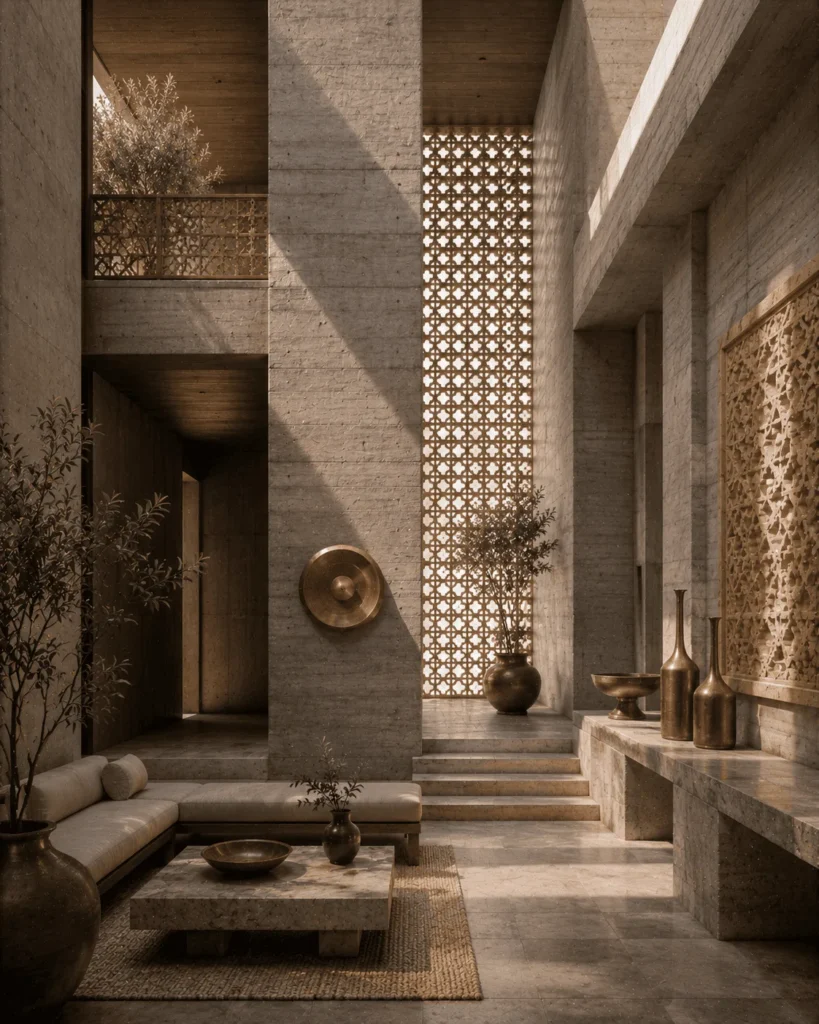
Materials choices are of particular importance. Wood, stone and concrete are both universal but their use is influenced by the local craft tradition as well as environmental conditions. A surface design such as a joint or finish can be a reflection of generations of wisdom. Understanding these details allows architecture to feel grounded, not being imposed.
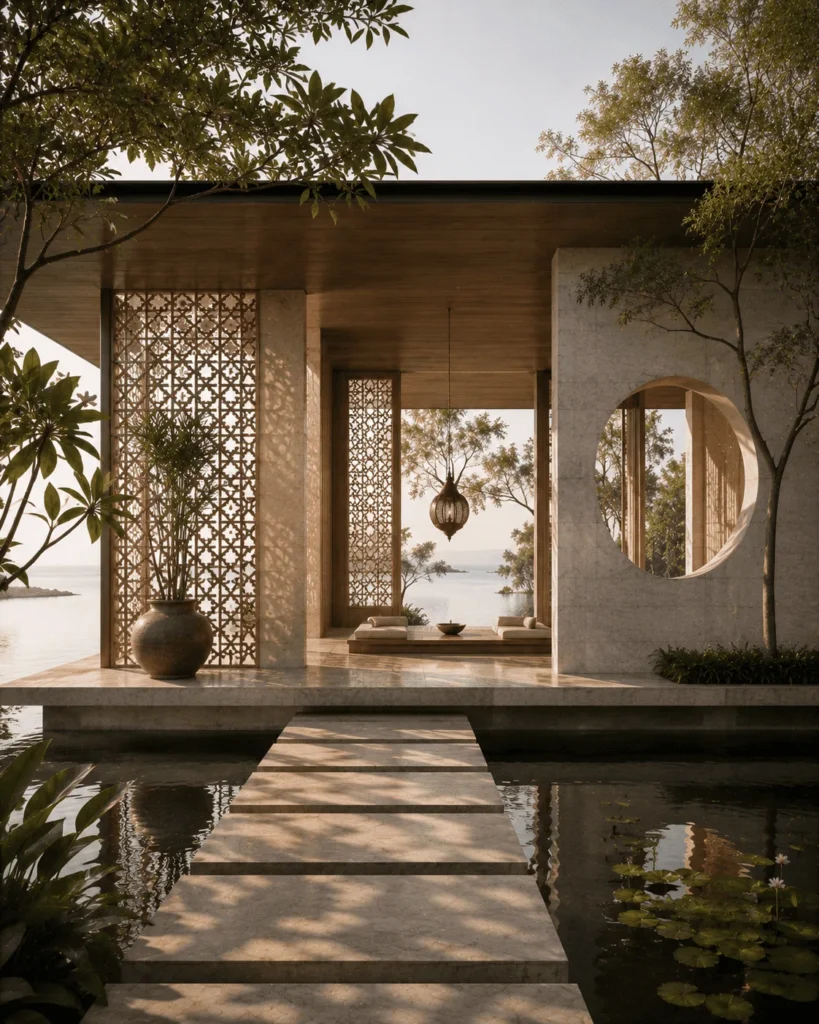
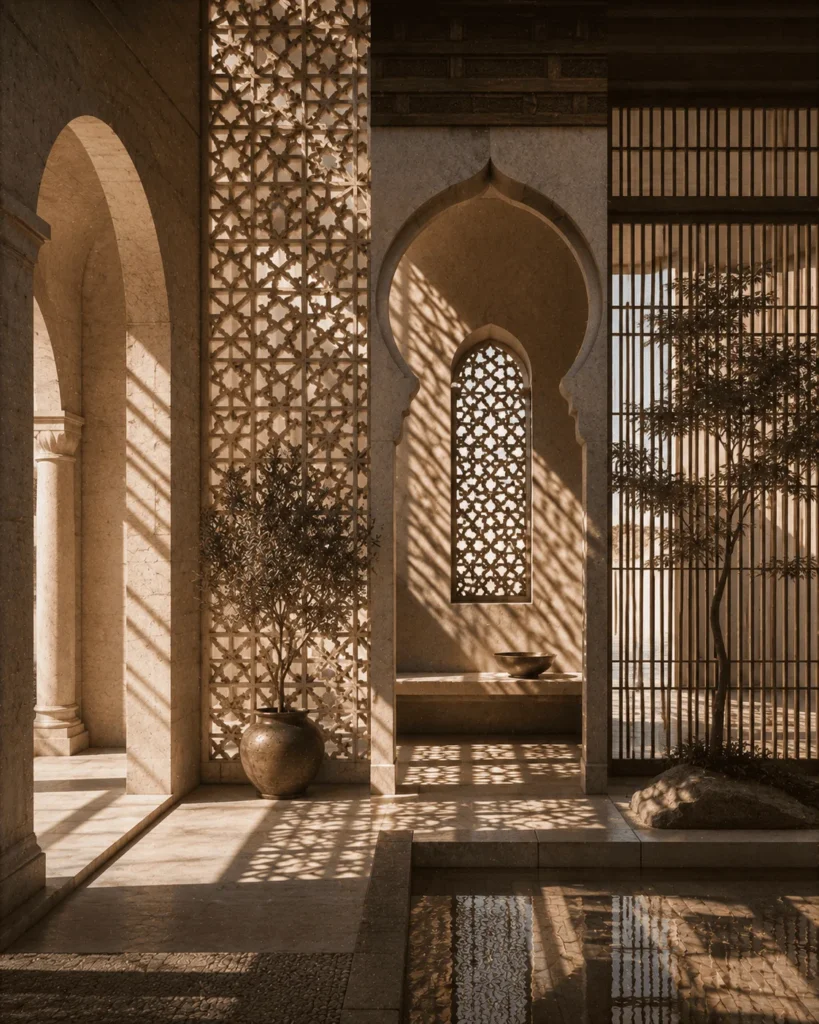
The light also differs across regions. Northern landscapes require an architectural design which captures and magnifies daylight, while equatorial settings typically require protection and filtering. Understanding these circumstances changes lighting from a technical issue into a social one.
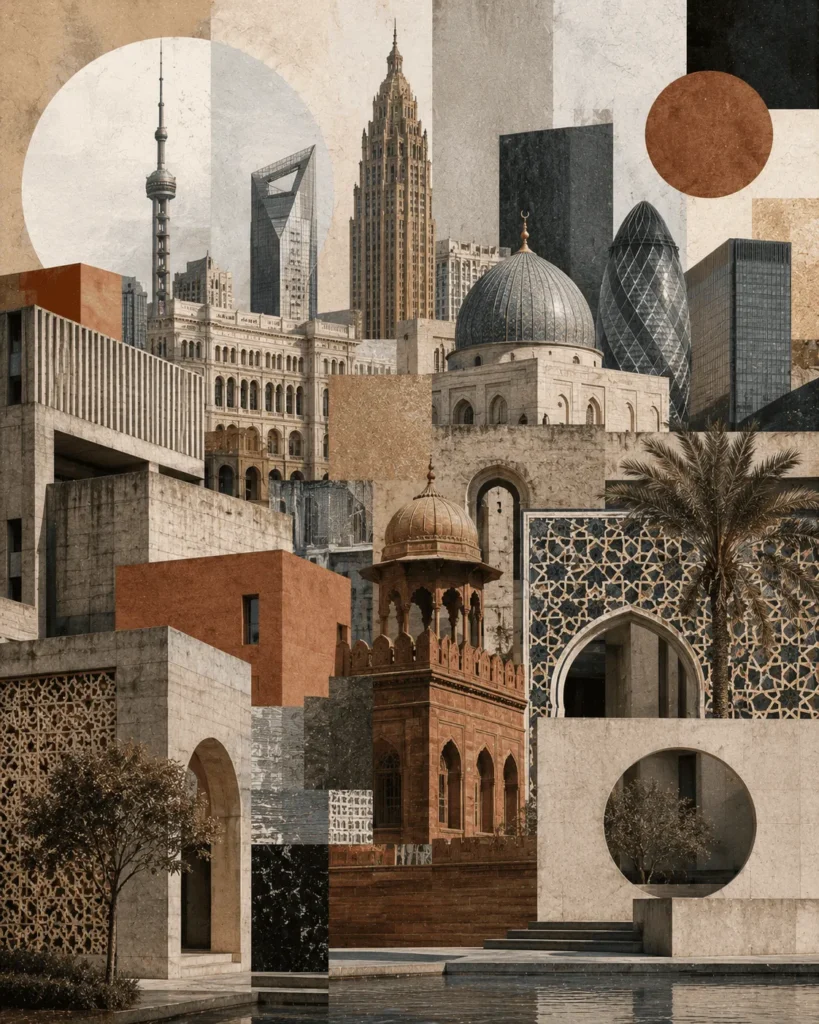
Designing across different cultures ultimately increases the importance of restraining. Architecture must be able to respond without imitation and innovating without destroying the identity of the building. If a building is at ease in its environment it can achieve a calm authenticity that transcends fashion.
In a global context it is not the aim to create a single aesthetic, but rather to establish an approach to thinking that is consistent that is able to adapt to the changing environment while remaining grounded in a sense of clarity, physical understanding, and human.