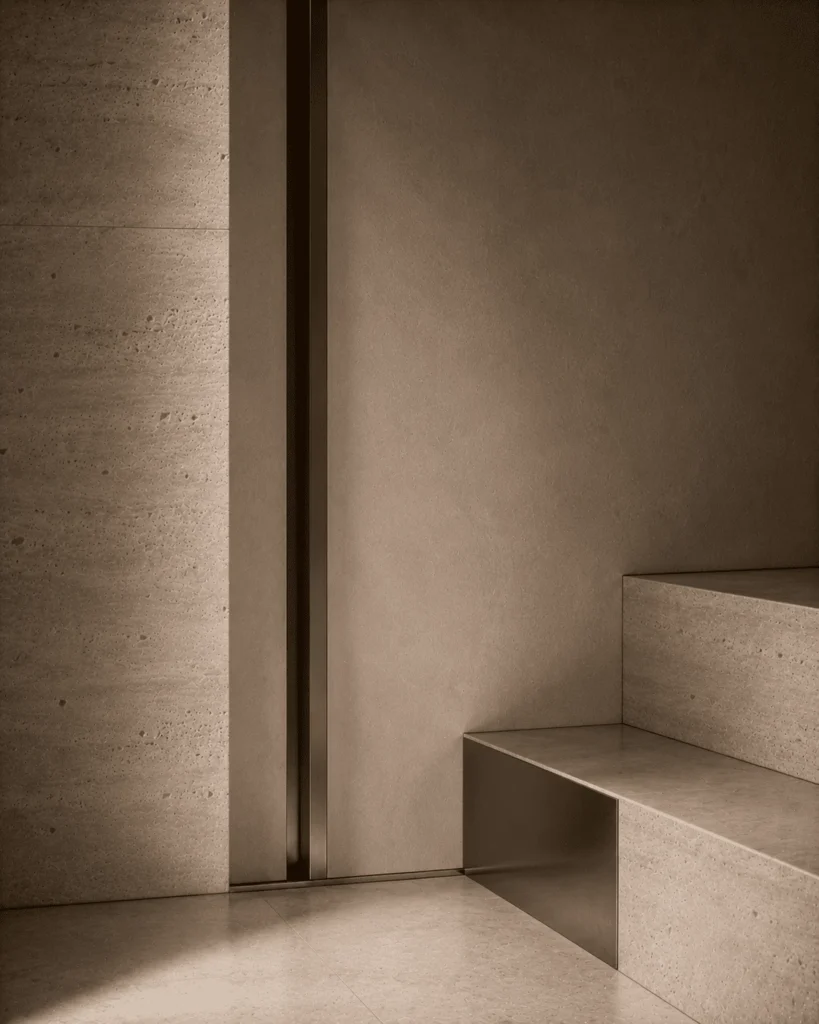
Craft and Detail: The Quiet Precision of Architecture
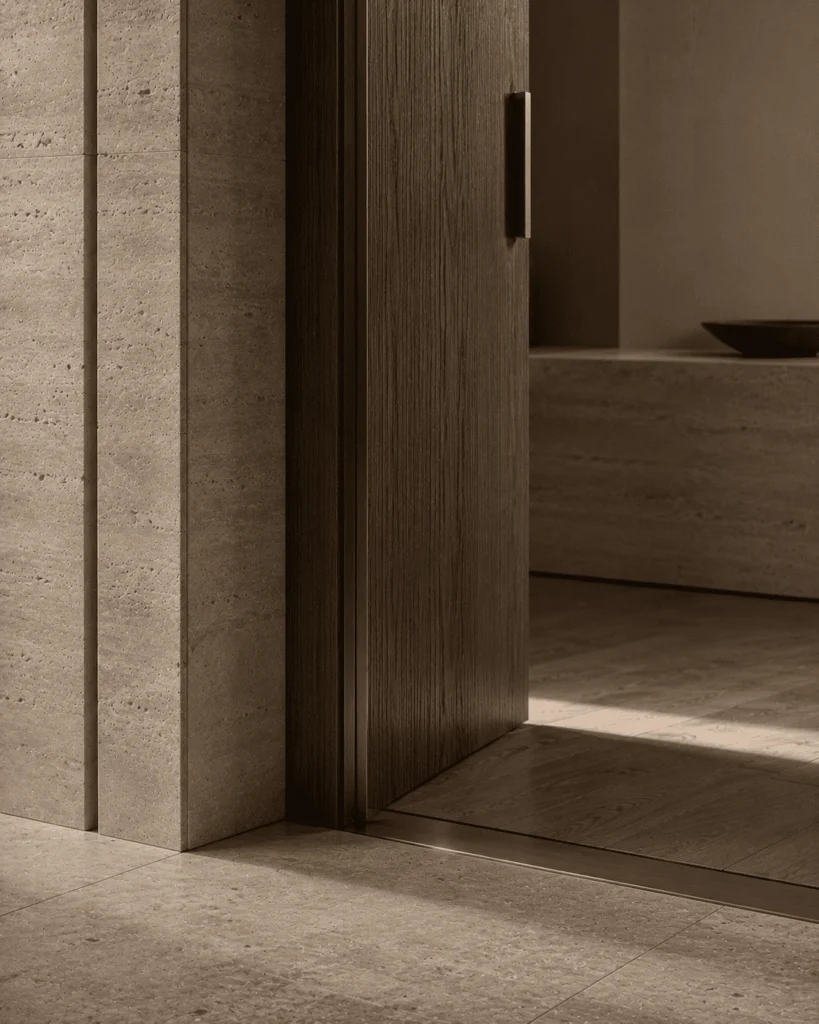
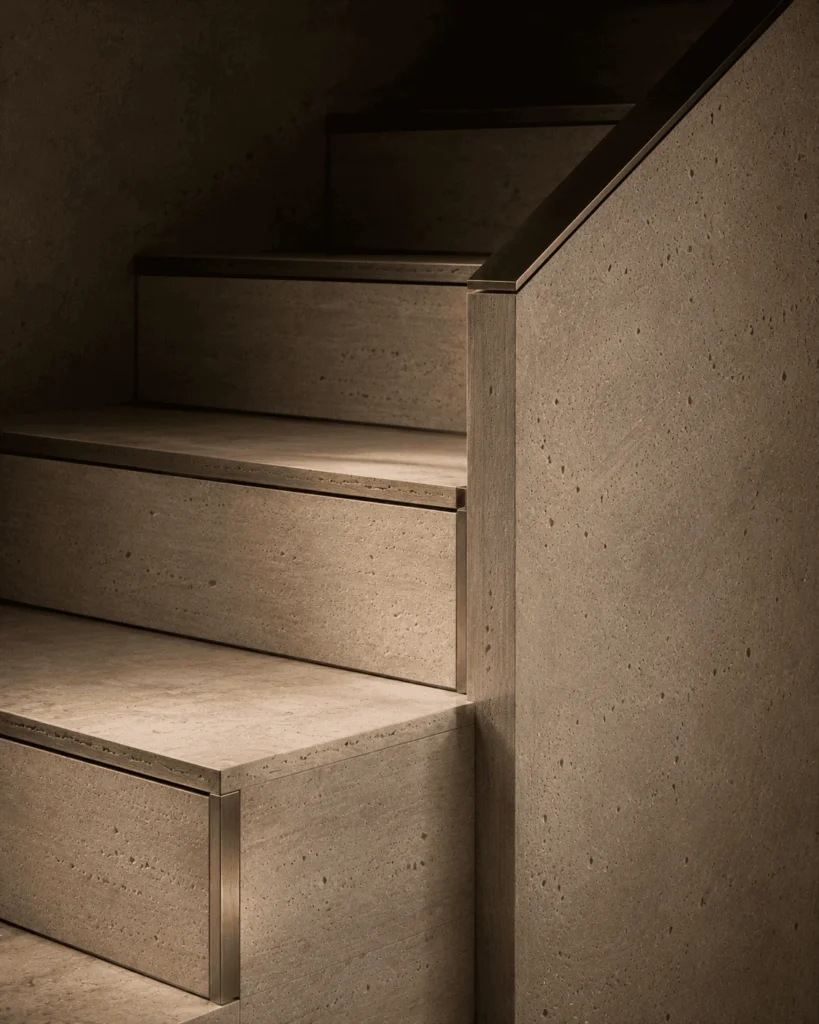
Craft in architecture is not decoration. It is the disciplined resolution of how materials meet, how edges align, and how surfaces transition. A carefully expressed joint, a precisely set stone slab, or a seamlessly integrated handrail may go unnoticed at first glance, yet these decisions shape the quiet coherence of a space.
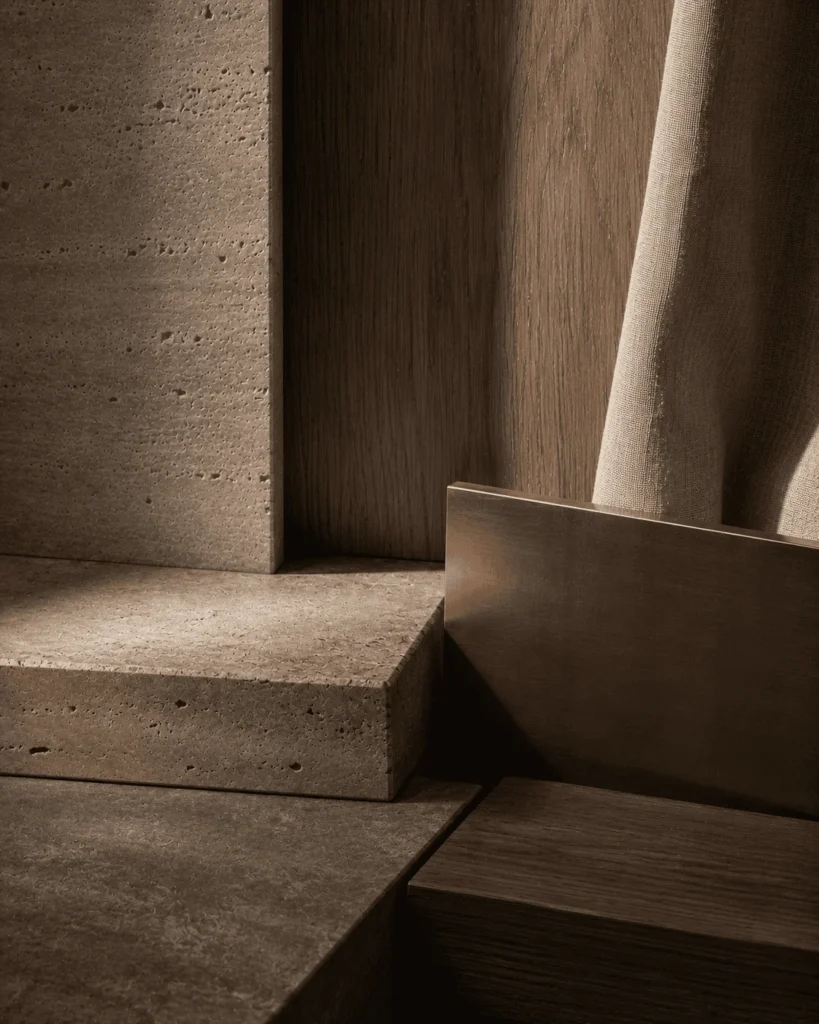
Detailing demands patience. It requires understanding the behavior of materials how wood expands, how stone is cut, how metal responds to light. When these characteristics are respected rather than concealed, materials retain their integrity. The result is architecture that feels honest and resolved.
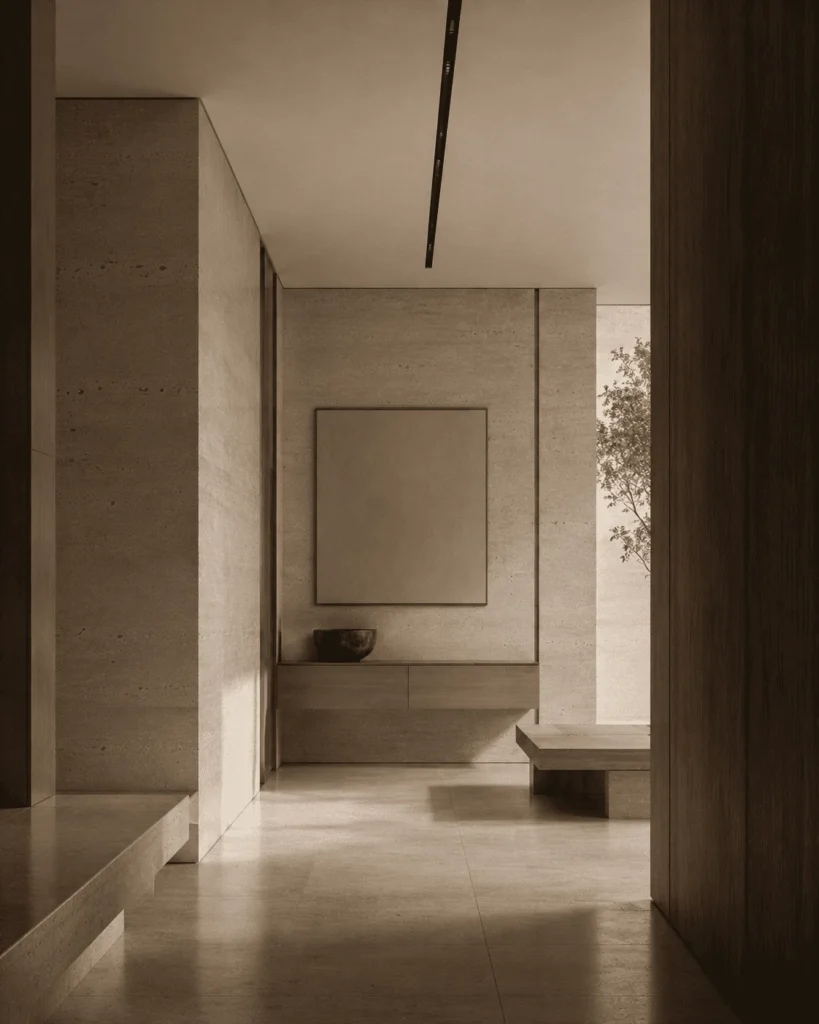
In contemporary practice, craft often manifests through restraint. Rather than layering excessive elements, thoughtful detailing allows fewer materials to speak clearly. A continuous plane interrupted only where necessary, a shadow gap that subtly defines edges, or a recessed junction that reduces visual noise these gestures elevate simplicity into refinement.
Precision also influences longevity. Well-considered details age more gracefully because they anticipate movement, wear, and environmental change. Over time, carefully executed junctions maintain their clarity, while poorly resolved ones reveal their compromise. Craft therefore becomes inseparable from durability.
Beyond technical execution, craft carries cultural depth. It reflects the knowledge of artisans, local traditions, and generational skill. When architecture engages with this lineage thoughtfully, it gains richness without spectacle.
Ultimately, craft and detail are expressions of care. They signal that a project has been considered at every scale , from the overall composition to the smallest junction. In this quiet precision lies a form of sophistication that does not demand attention, yet leaves a lasting impression.