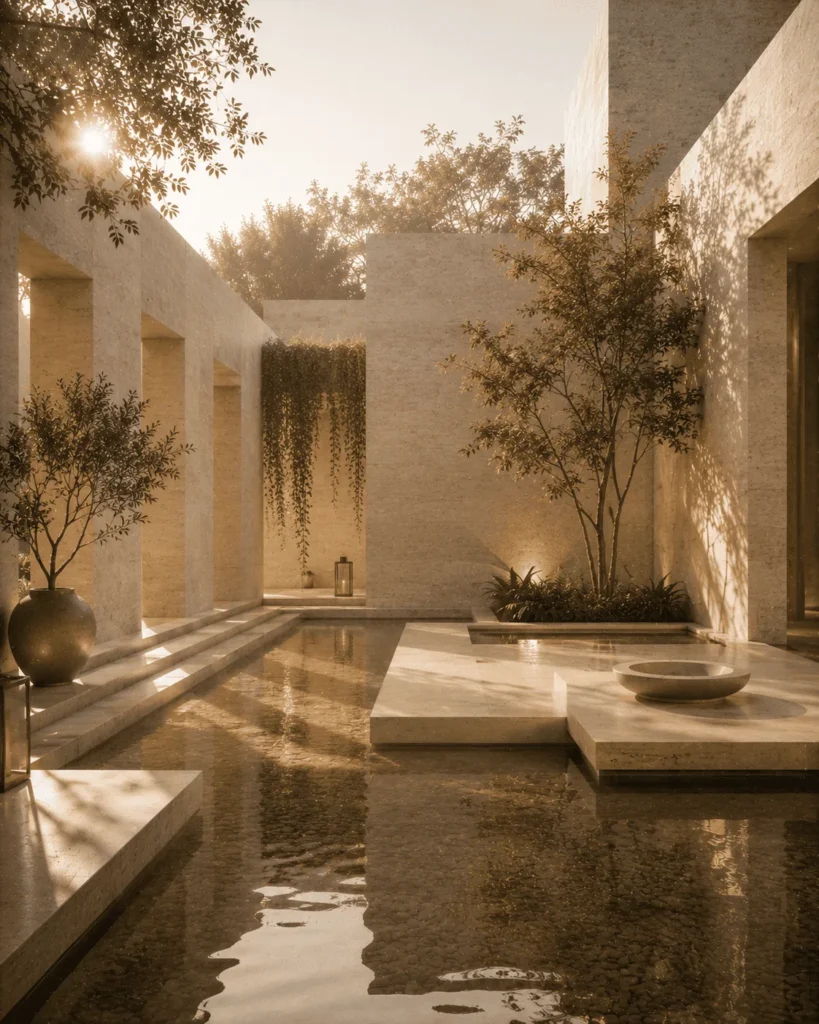
Architecture for Well-Being: Designing Spaces That Support Human Health
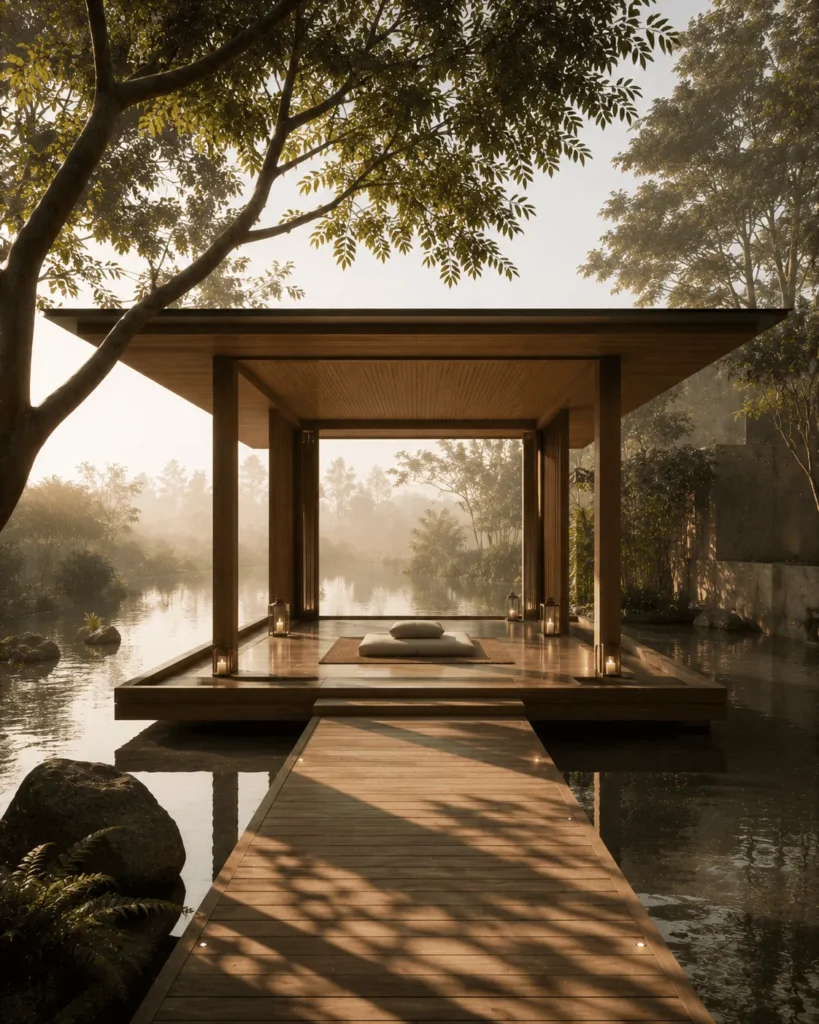
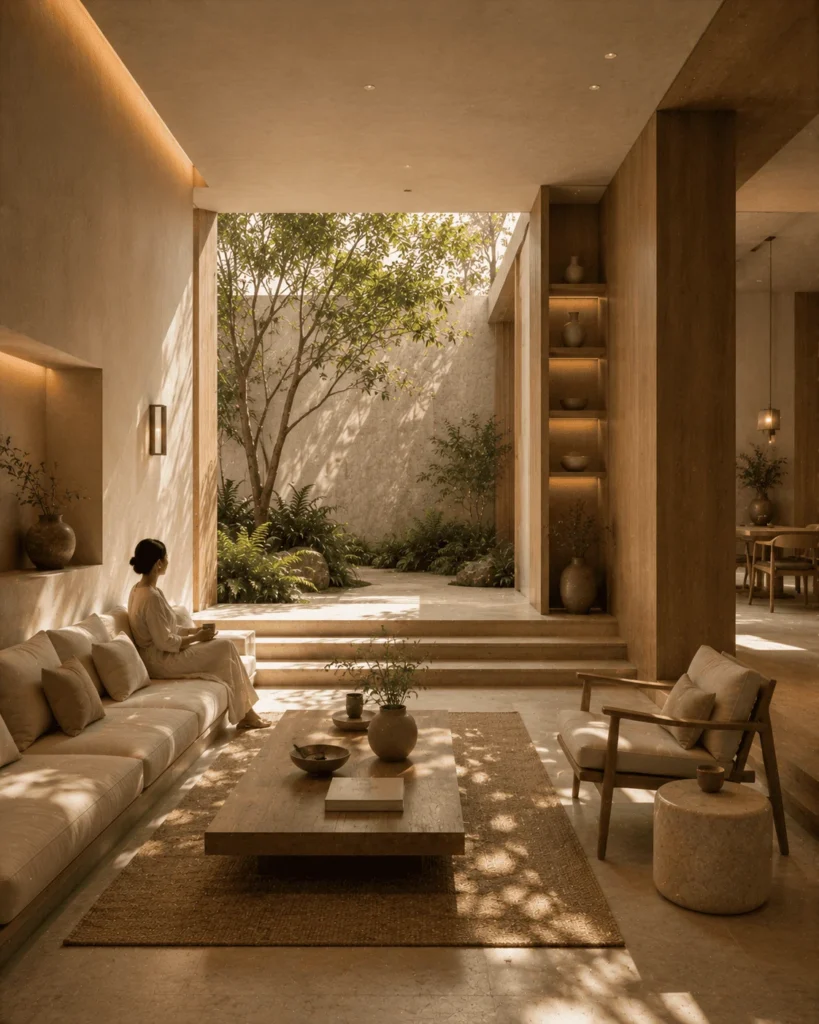
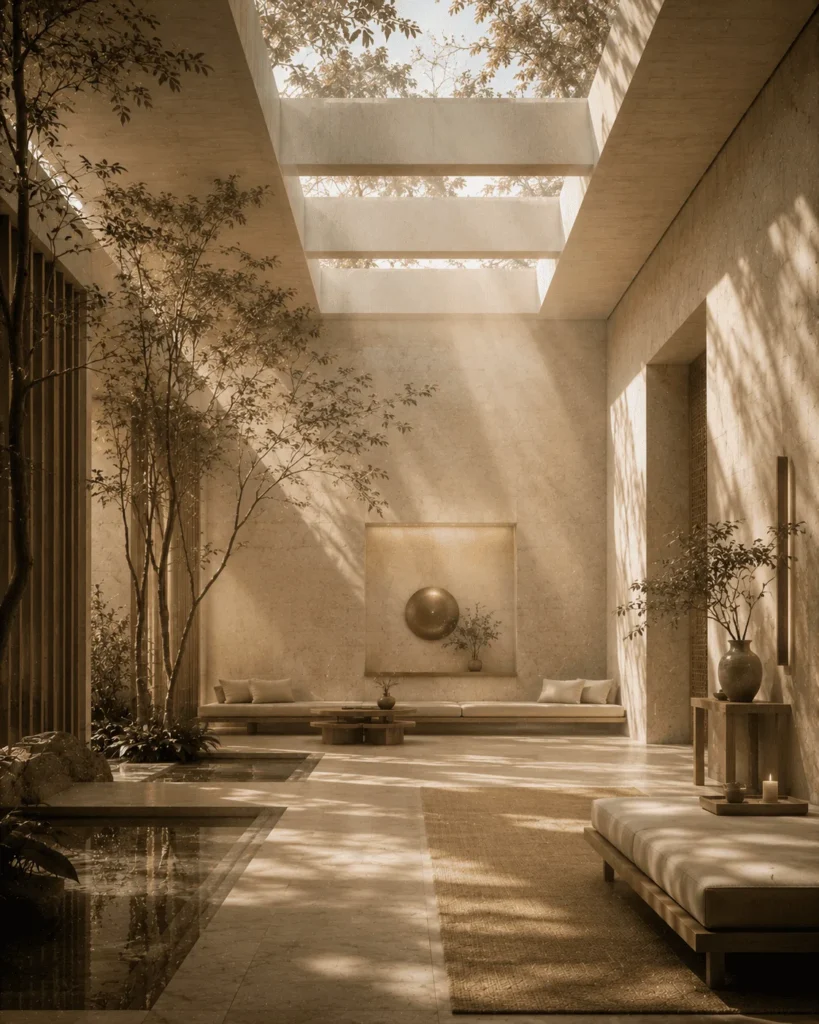
A healthy and happy architecture starts with clarity. The flow of information is clear and reduces anxiety and confusion which allows people to effortlessly move through the space. Natural light, when used with care, can help regulate the circadian rhythms of the body and creates spaces that feel more human than formal. Even the smallest exposures to sunlight can profoundly affect the mood and feel of a room.
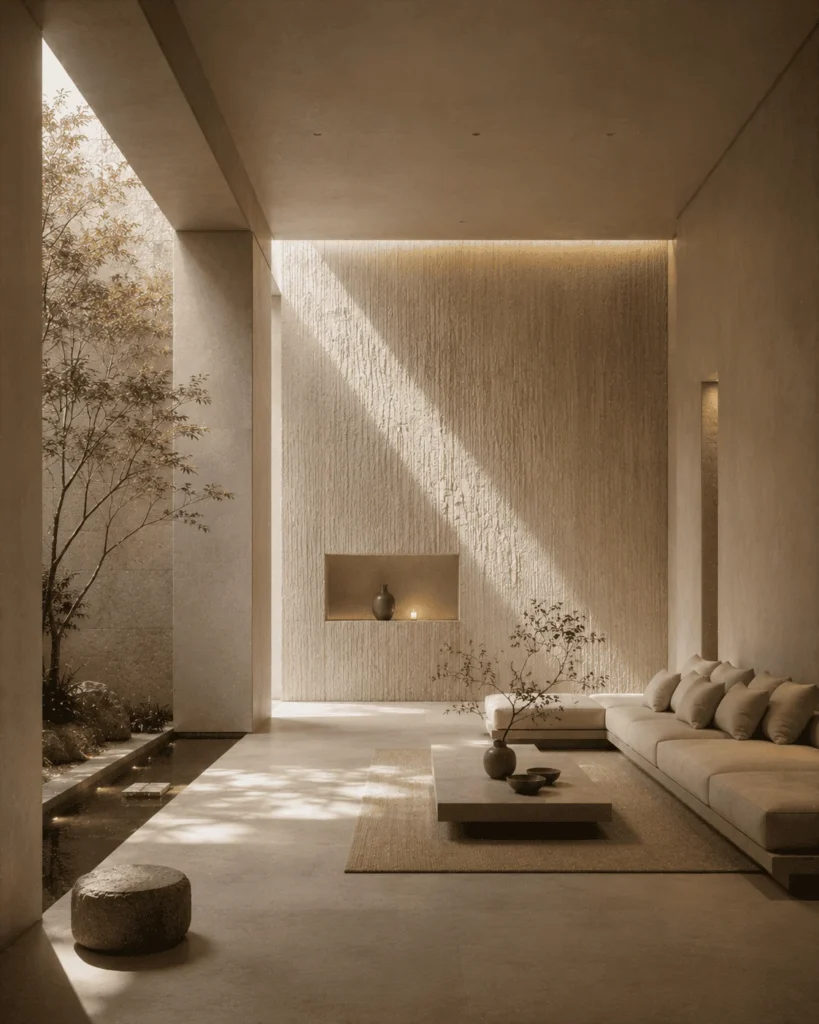
The choices of materials can further influence the experiences. The surfaces that feel soft and warm contribute to feelings of peace and calm however, excessive brightness or visual noise may create a sense of the feeling of discomfort. In healthcare settings, a sense of restraint is an act of care. Materials are not chosen to be displayed, but because of their capacity to withstand aging, remain clean, and keep the eye peace over time.
Comfortable sound is also essential. Silence, or controlled sounds are often omitted, yet it is crucial to healing. The precise layering of substances such as spatial buffers, spatial noises, and transitions allow areas to feel safe from disturbances that are not needed, allowing relaxation and concentration.
Designing to promote well-being requires a grasp of the human dimensions. Spaces should not feel overly crowded nor restricted. Dimension, ceiling height and a visual connection to the outdoors all contribute to creating environments that feel calm and secure.
When architecture is supportive of the health of a person, it do it in a quiet manner. It doesn’t attract attention to itself. It creates the conditions that allow for care to happen naturally, and where people feel reassured rather than controlled. In this way, the architecture does not serve as a mere background for healing, but a full actor in the process.