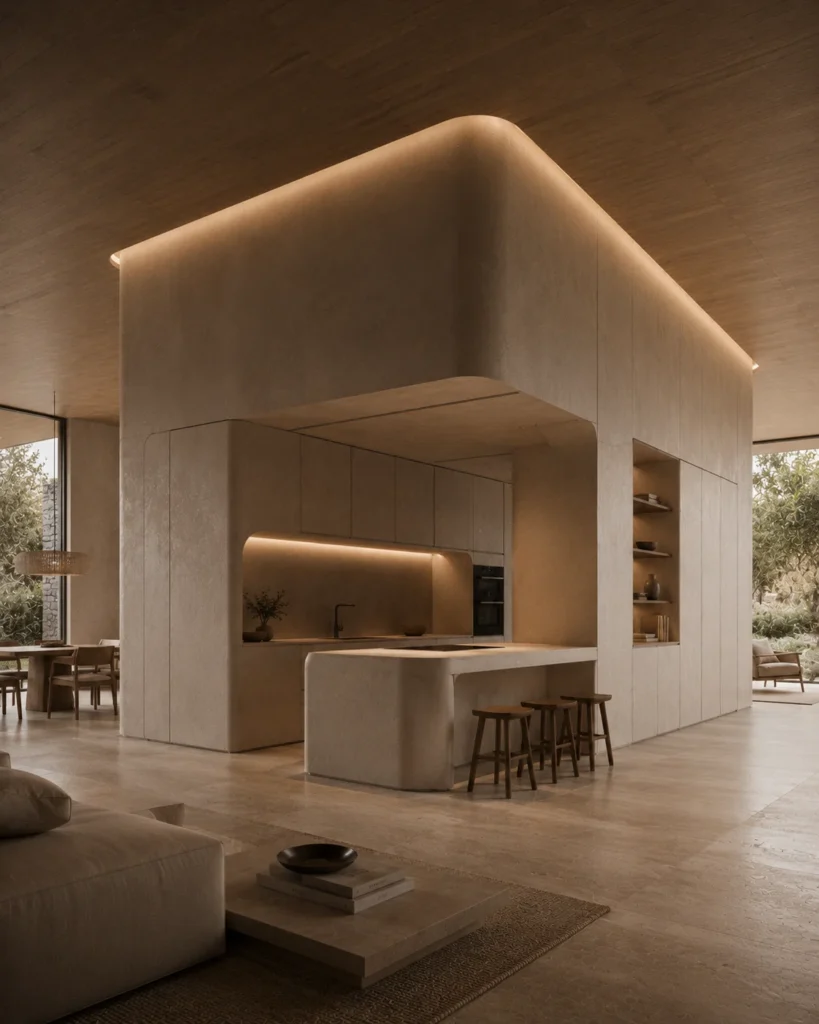
Architecture for Emotional Calm: Designing Spaces That Quiet the Mind
There are certain spaces that exhaust the senses almost immediately. Rooms filled with excessive brightness, sharp contrasts, reflective surfaces, and constant visual stimulation often leave the mind unable to fully rest. Everything competes for attention at once. The eye keeps moving, the body remains alert, and even silence inside such spaces can feel strangely restless. Then there are interiors that create the opposite experience entirely. Spaces that feel gentle without feeling empty. Rooms that slow the pace of thought almost unconsciously. The moment you enter them, your shoulders soften, your breathing steadies, and the atmosphere feels easier to inhabit.
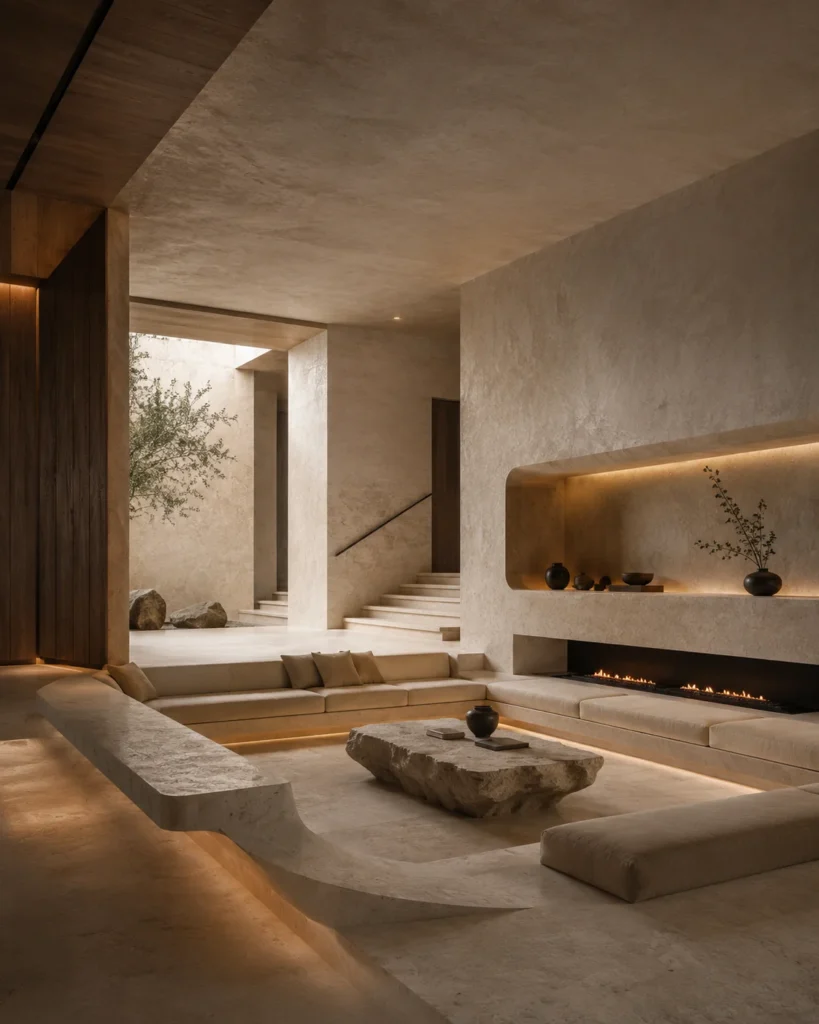
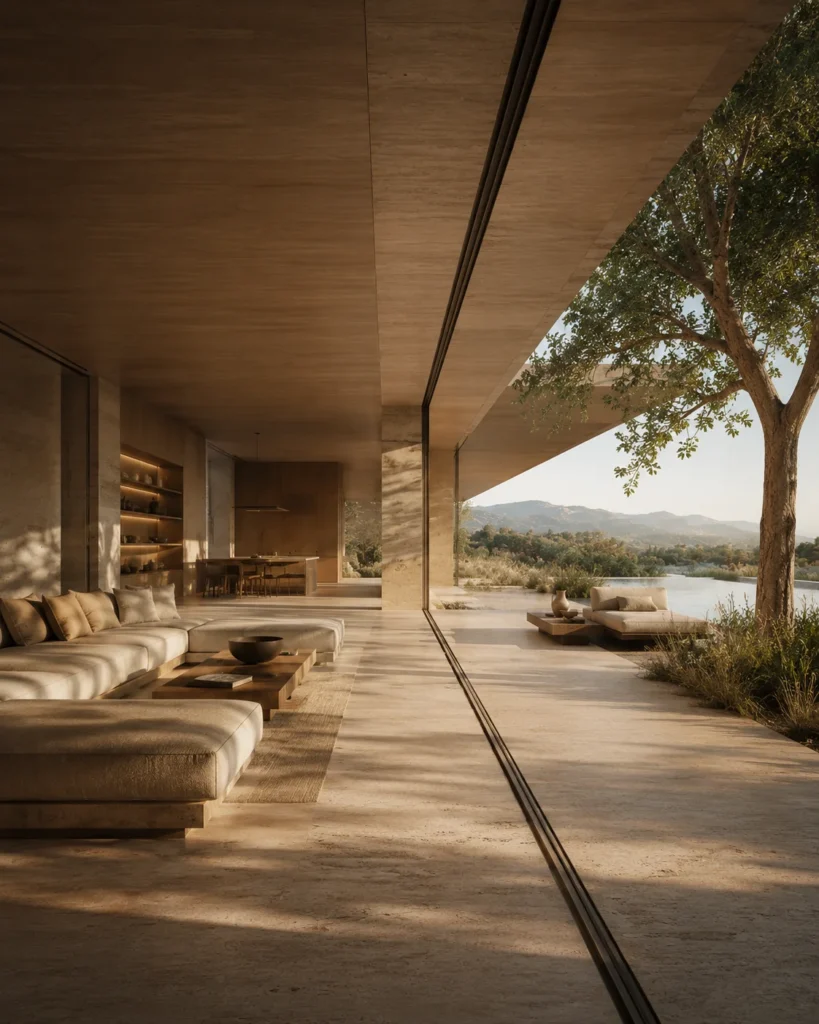
This is not accidental. It is the result of architecture designed with an understanding that people experience spaces emotionally before they experience them visually. Today, this idea has become increasingly important in the way homes are imagined. Interiors are no longer expected to function only as statements of taste or symbols of luxury. They are becoming places of recovery from overstimulation, digital fatigue, noise, and the constant psychological pressure of modern urban life. A well designed home now carries a deeper purpose. It must support calmness, clarity, and emotional comfort as naturally as it supports beauty.
Materiality plays a powerful role in shaping that feeling. Natural stone, in particular, has a unique ability to quiet a space without removing richness from it. Its presence feels grounded and reassuring rather than decorative. Limestone diffuses daylight softly across surfaces, creating an atmosphere that feels warm and settled instead of harsh or reflective. Travertine reveals texture gradually through shadow and movement rather than immediate visual impact. Even darker stones introduce depth and enclosure in ways that feel protective rather than heavy. Their surfaces absorb and soften light, allowing interiors to feel calmer and more balanced.
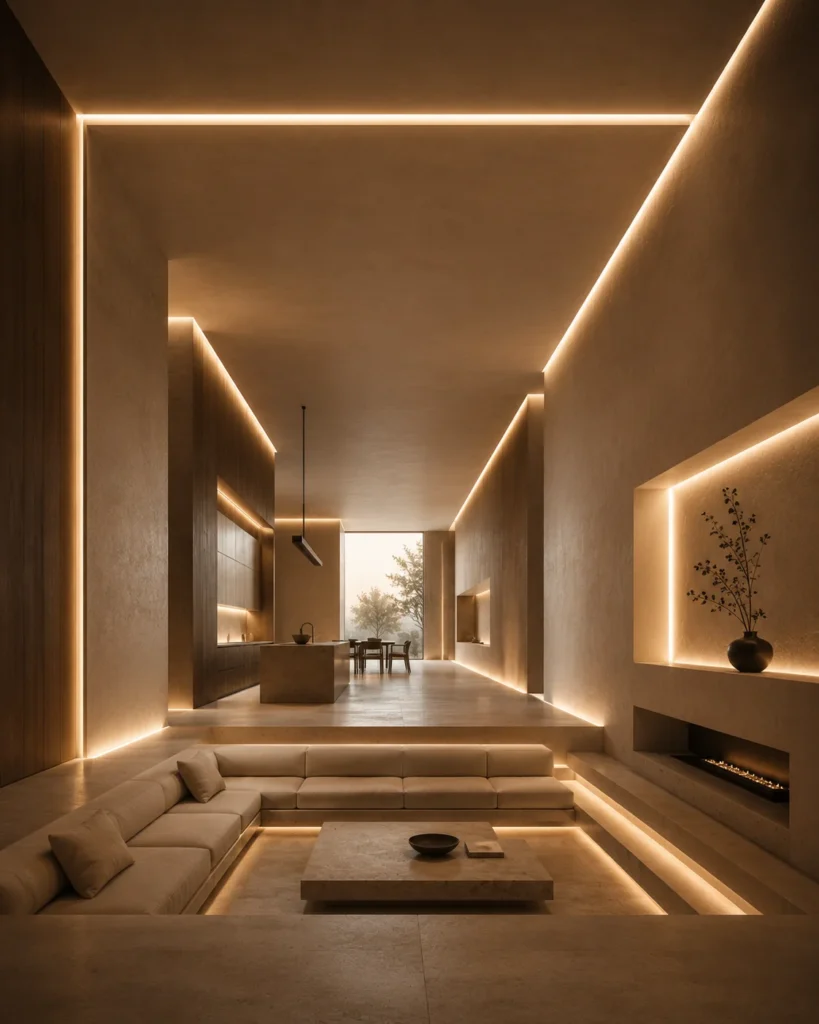
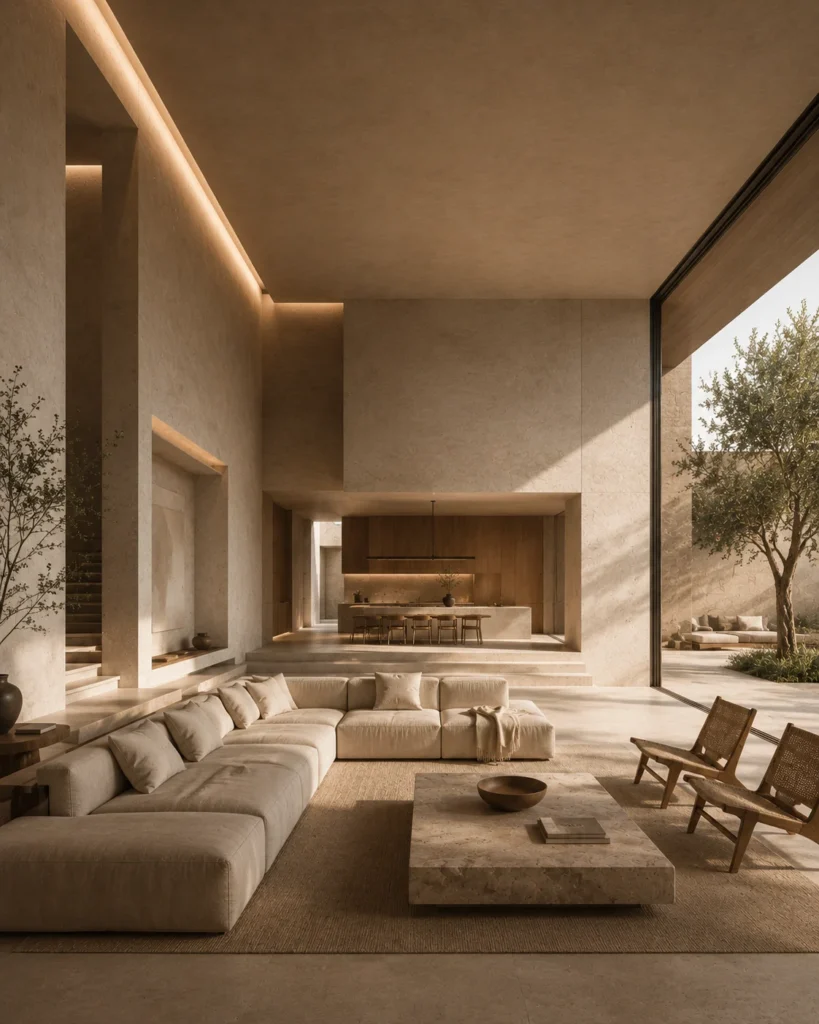
The relationship between material and light is often what determines whether a room feels restful or overstimulating. Synthetic finishes tend to reflect light evenly and predictably, which can make interiors feel flat and visually tense over time. Natural materials behave differently because they contain variation that changes throughout the day. Veins, mineral patterns, and subtle textures shift gently beneath changing sunlight. Morning light may reveal warmth within the stone, while evening shadows create softness and depth. The room continues to evolve quietly rather than remaining visually static.
These sensory shifts affect the body more deeply than people often realise. Human comfort is closely tied to how environments regulate stimulation. Spaces filled with sharp reflections, loud textures, and constant visual contrast keep the nervous system active, even when relaxation is intended. Interiors designed with softer materials, muted transitions, and tactile surfaces allow tension to release gradually instead.
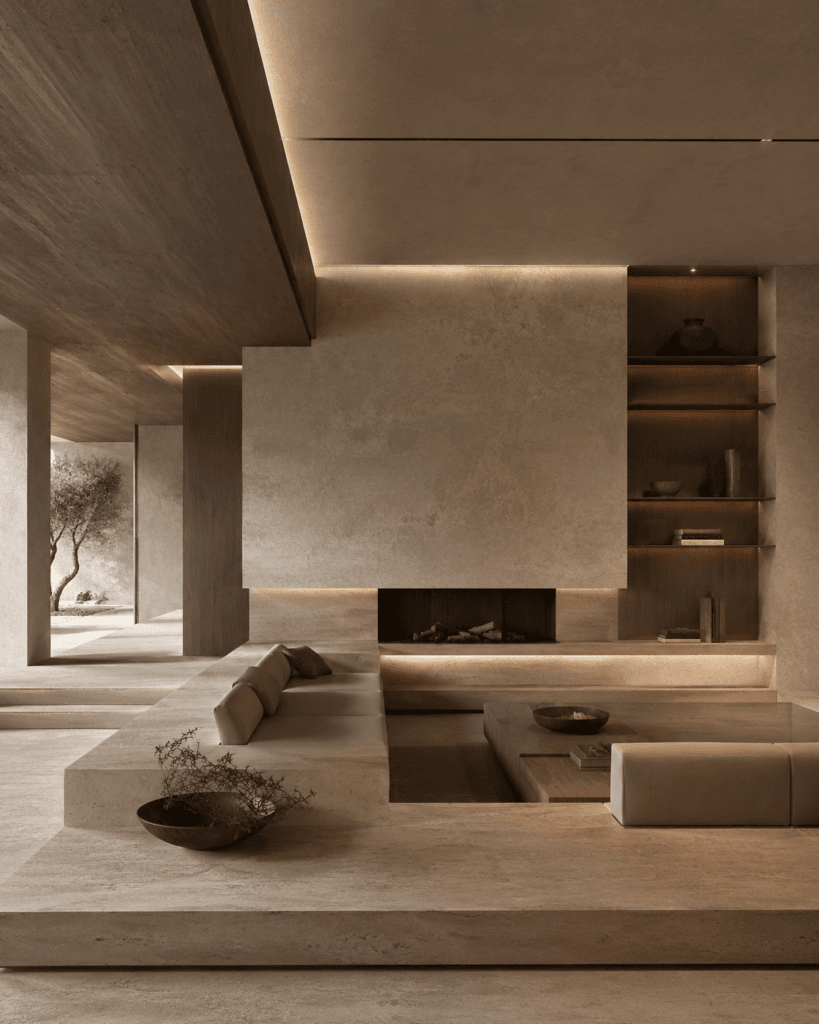
Calmness, however, should not be confused with emptiness. Some of the most emotionally comforting interiors are deeply layered and richly textured. The difference is that their richness feels composed rather than excessive. A single stone wall with natural variation can hold more emotional presence than multiple decorative objects competing for attention within the same room. The atmosphere feels intentional, not crowded.
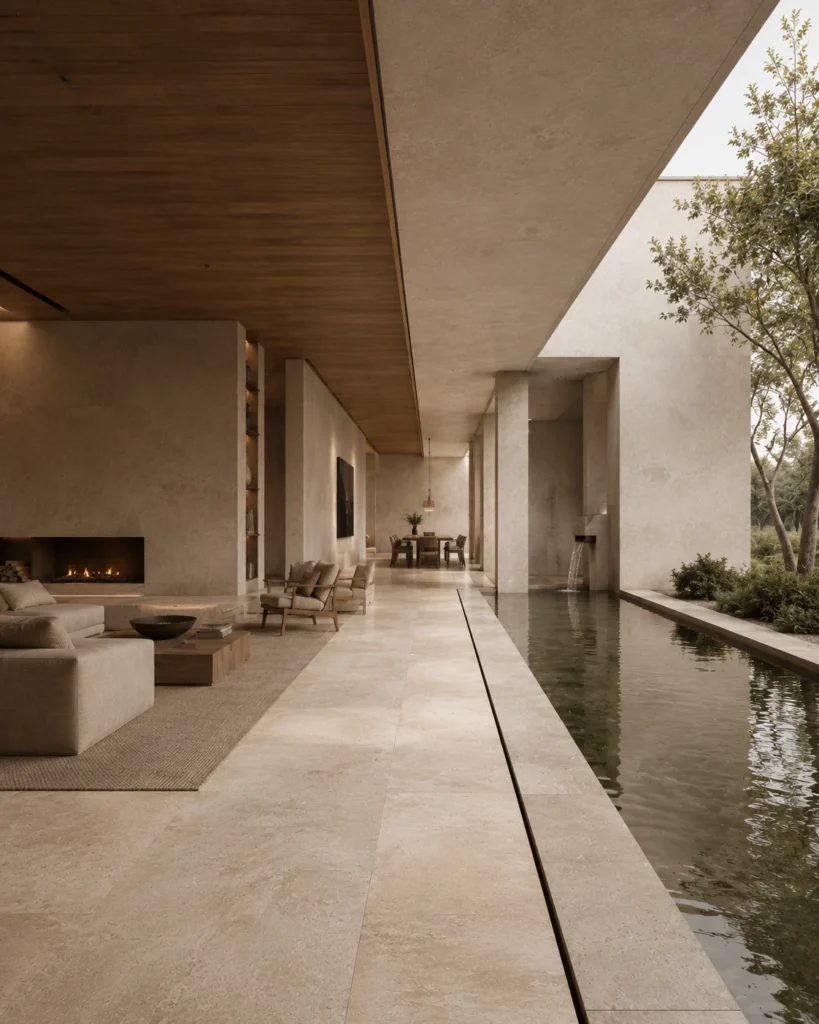
There is also something deeply reassuring about the way natural materials accept time. Many manufactured finishes attempt to remain unchanged for as long as possible, resisting age until wear eventually becomes unavoidable. Stone behaves differently. It softens subtly through use. Surfaces gather character slowly. Small imperfections settle naturally into the material rather than appearing as flaws against it. Over the years, the architecture begins to hold traces of everyday life within itself.
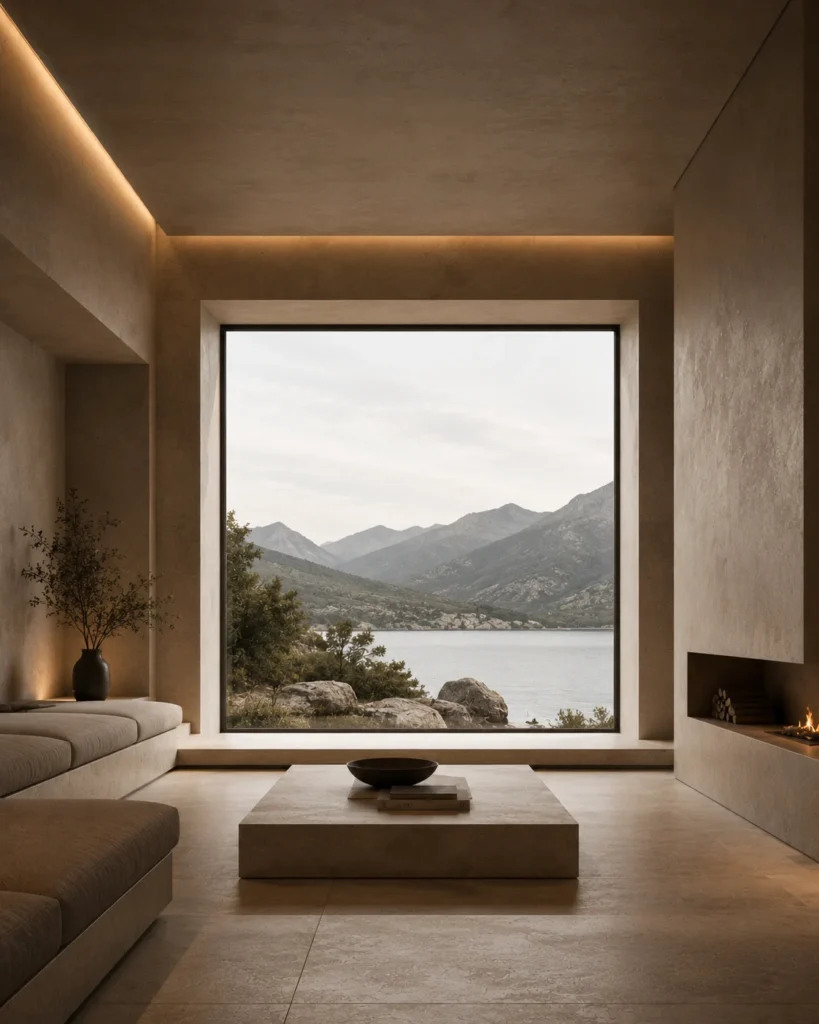
That gradual ageing creates a quiet sense of permanence. In a culture shaped by constant replacement and temporary trends, materials that become more beautiful through time feel increasingly meaningful. They remind people that longevity itself carries emotional value. Stone also brings with it a connection to landscape and history that few materials possess. Every slab has already existed for centuries before entering a home. Formed slowly through pressure, climate, and geological change, it carries depth and irregularity that cannot be artificially recreated. Introducing that into architecture creates a subtle sense of grounding that people often feel instinctively, even if they cannot fully explain it.
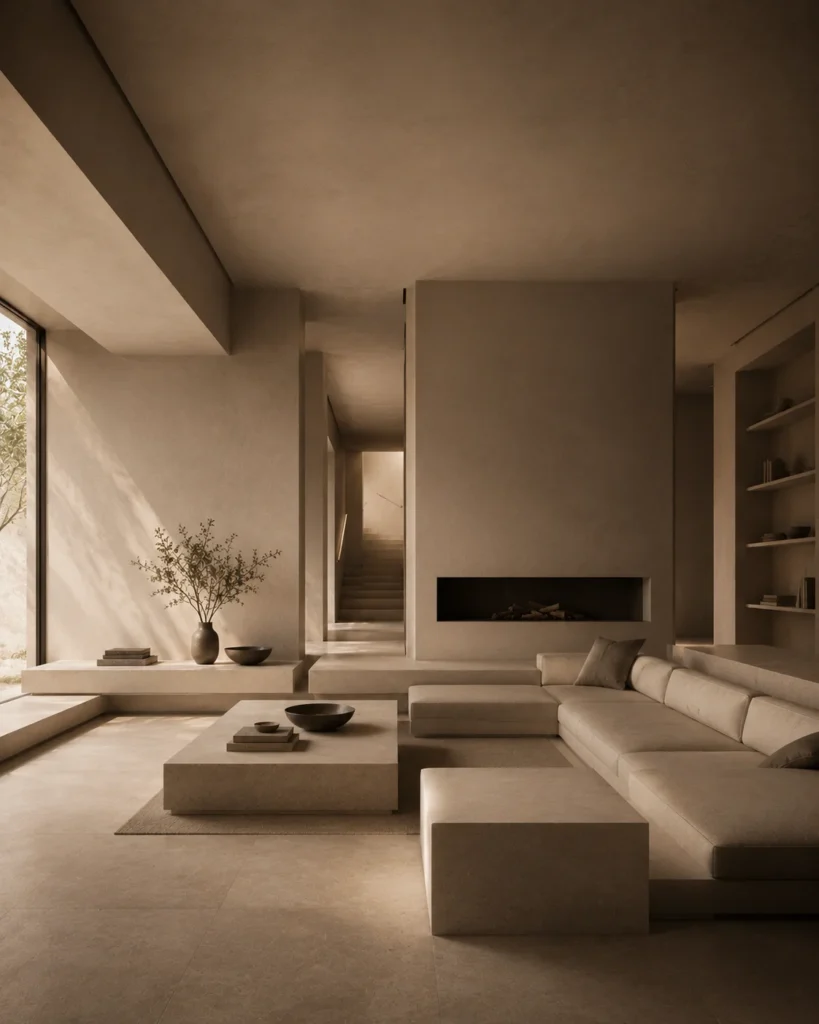
At SP Studio, this philosophy often becomes visible in the quiet moments clients speak about long after a project is complete. A homeowner describing how a once busy living room now feels unexpectedly calming at the end of demanding days. Parents noticing how naturally the family gathers around spaces designed with warmth instead of visual excess. A client pausing during a walkthrough simply because the light falling across a stone wall felt exactly the way they had imagined months earlier during the earliest conversations with the design team. These are not dramatic design moments, but they are often the ones people remember most deeply.
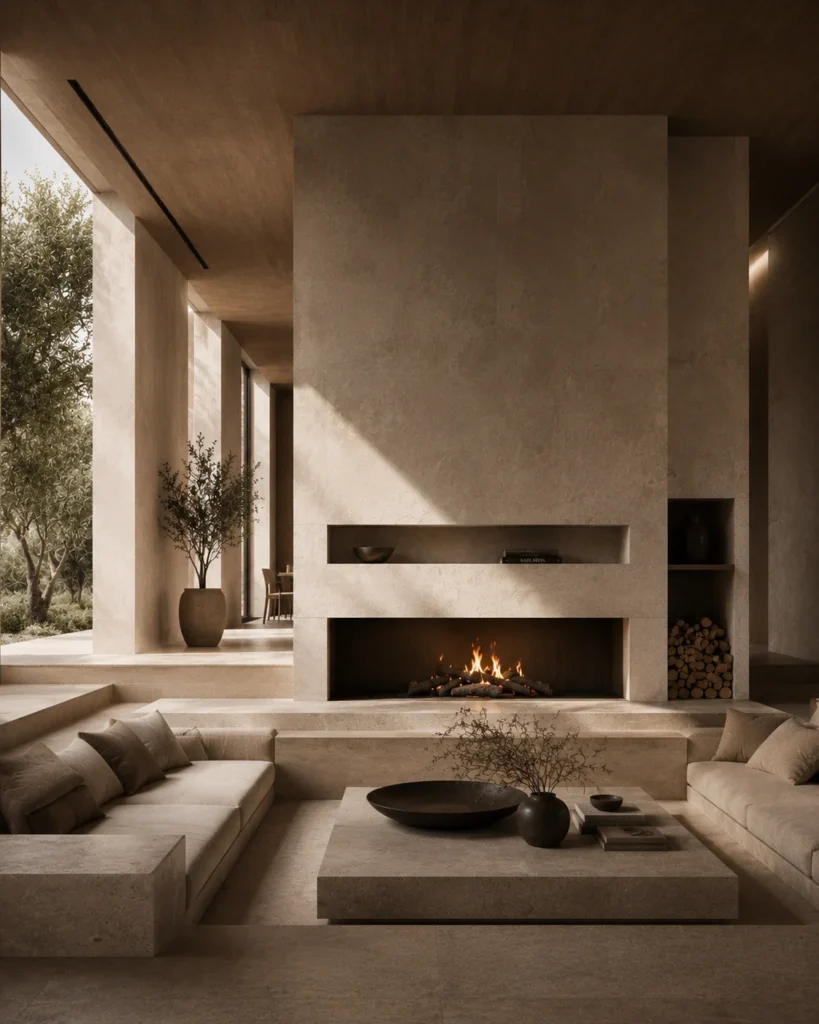
The emotional power of interiors rarely comes from dramatic gestures alone. More often, it emerges through quieter experiences. The coolness of a stone floor beneath bare feet during summer mornings. A textured wall catching soft afternoon light. A bathroom that feels deeply calming without relying on decorative excess. These moments stay with people because they are felt physically as much as visually.
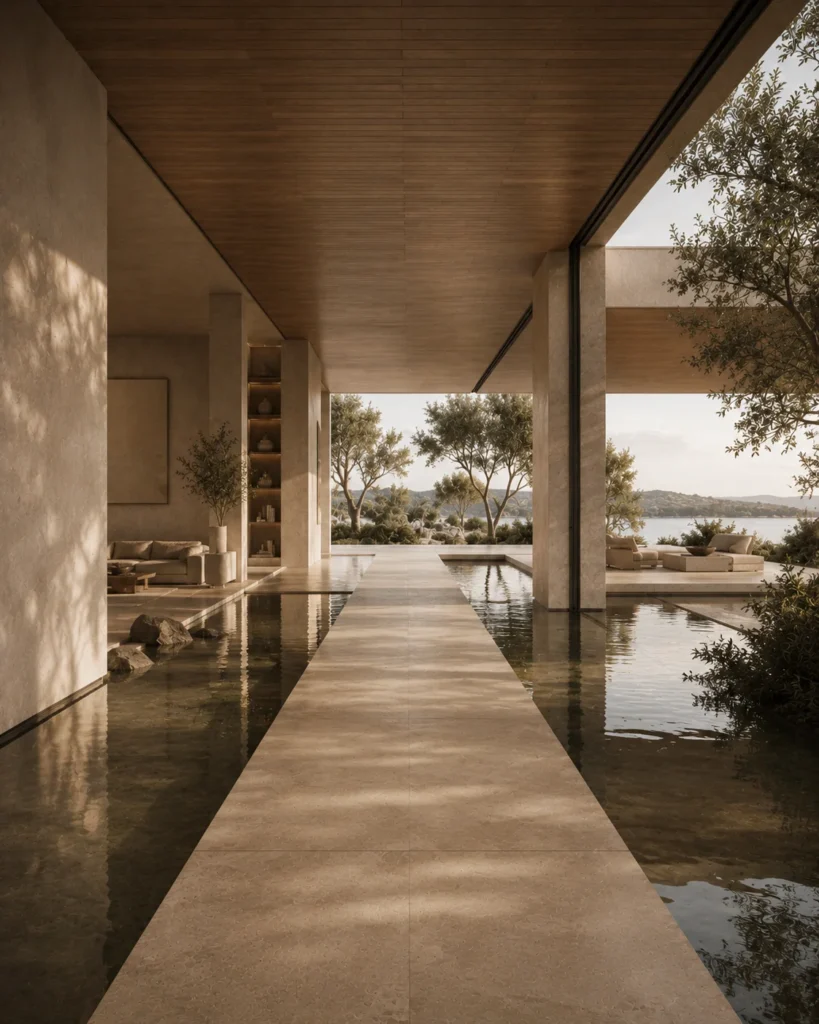
Increasingly, homeowners speak about spaces in emotional terms rather than aesthetic ones. They describe homes that help them feel lighter, calmer, more focused, or more rested after difficult days. Often, they cannot identify exactly which design decisions create that feeling. Thoughtful architecture works this way. Its success is experienced instinctively before it is intellectually understood.
The most meaningful spaces are not the ones constantly demanding admiration. They are the ones that allow the body to relax naturally, where silence feels comforting instead of empty, and where daily life unfolds with ease rather than tension. In the end, that quiet sense of emotional wellbeing becomes far more lasting than visual perfection ever could.