Architecture as Experience: Designing for the Senses
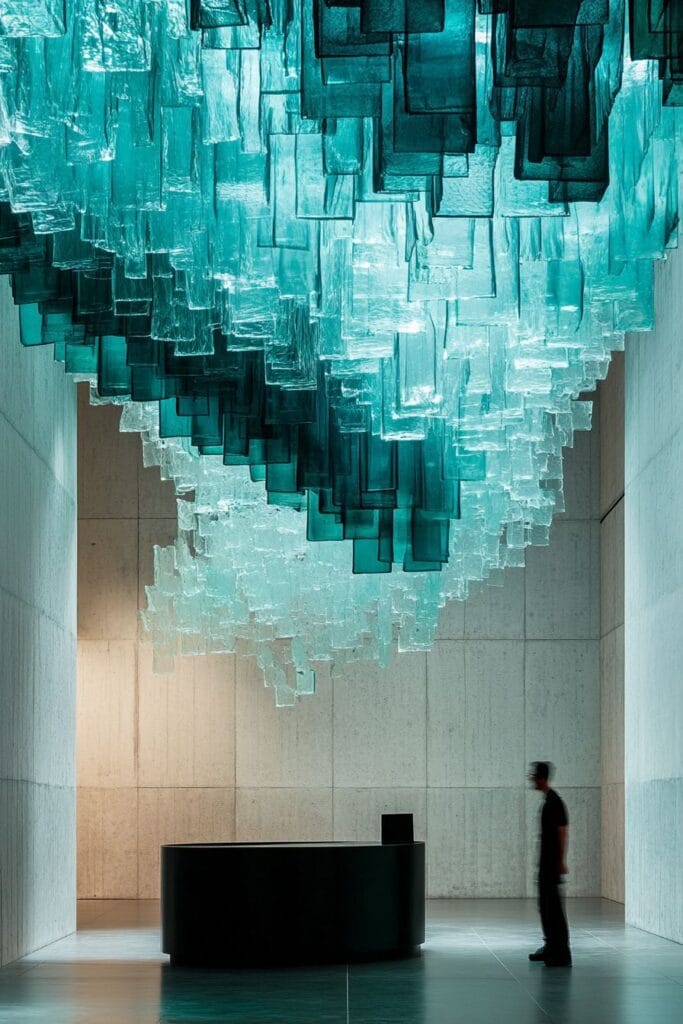
Experience in architecture is shaped by atmosphere. Light filtering across a surface, the coolness of stone underfoot, the muted echo of a corridor these elements operate quietly, yet they define how space feels. A building’s emotional resonance emerges not from spectacle, but from the careful orchestration of sensory conditions.
Designing for the senses requires attentiveness. It demands an understanding of how natural light changes over time, how materials absorb or reflect sound, and how scale influences comfort. When these dimensions are thoughtfully composed, space gains depth beyond its visual form.
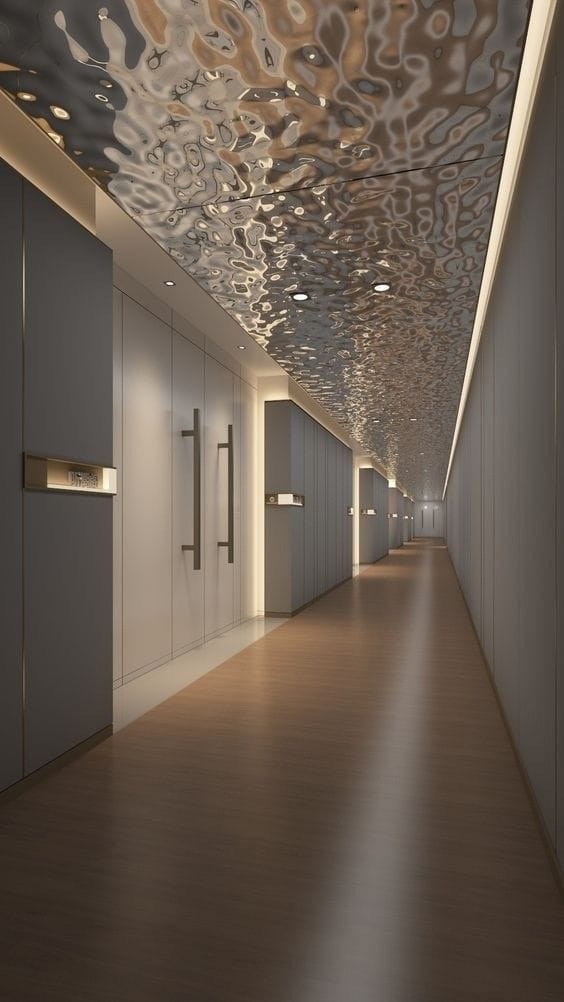
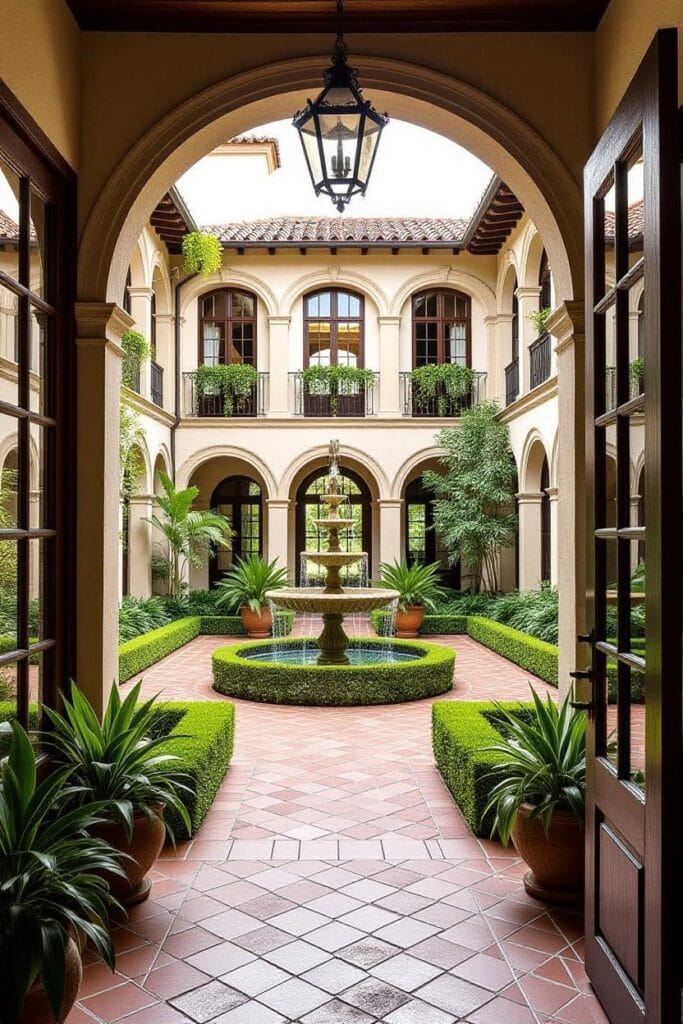
Movement also plays a central role. Architecture unfolds gradually through thresholds, transitions, compression, and release. A narrow passage that opens into a bright hall, a staircase that frames a shifting view, a subtle change in ceiling height these sequences guide perception and create spatial rhythm.
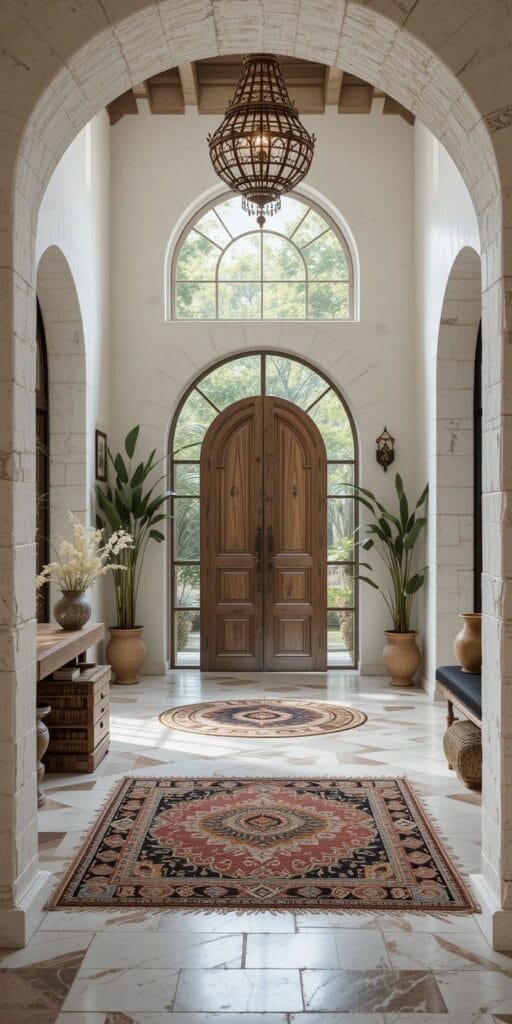
Materiality reinforces experience. Rough textures invite touch, smooth planes reflect light, warm finishes offer familiarity. When materials are chosen with intention rather than trend, they contribute to atmosphere in a way that feels grounded and enduring.
Materiality reinforces experience. Rough textures invite touch, smooth planes reflect light, warm finishes offer familiarity. When materials are chosen with intention rather than trend, they contribute to atmosphere in a way that feels grounded and enduring.