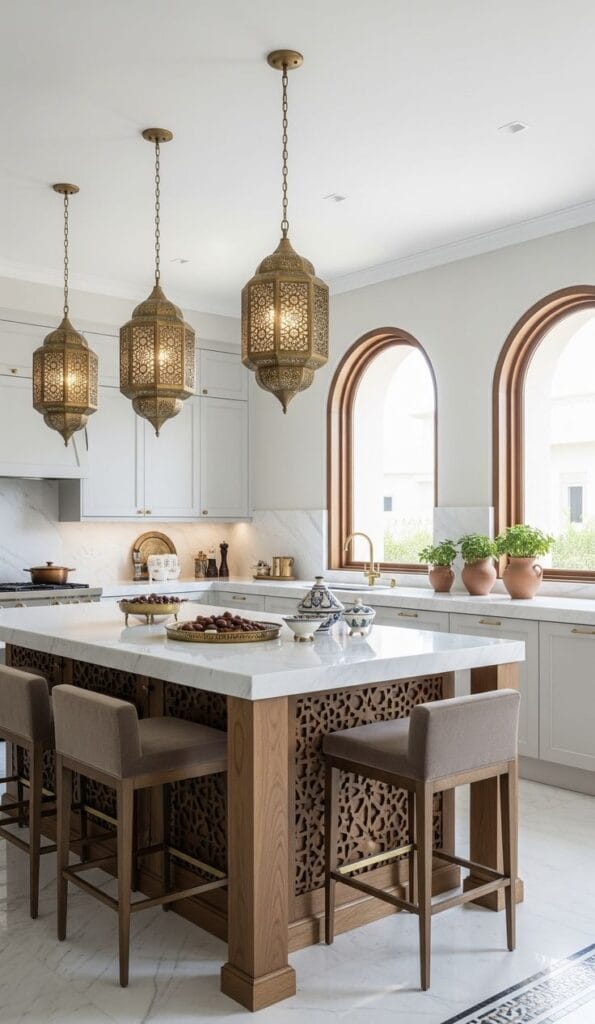
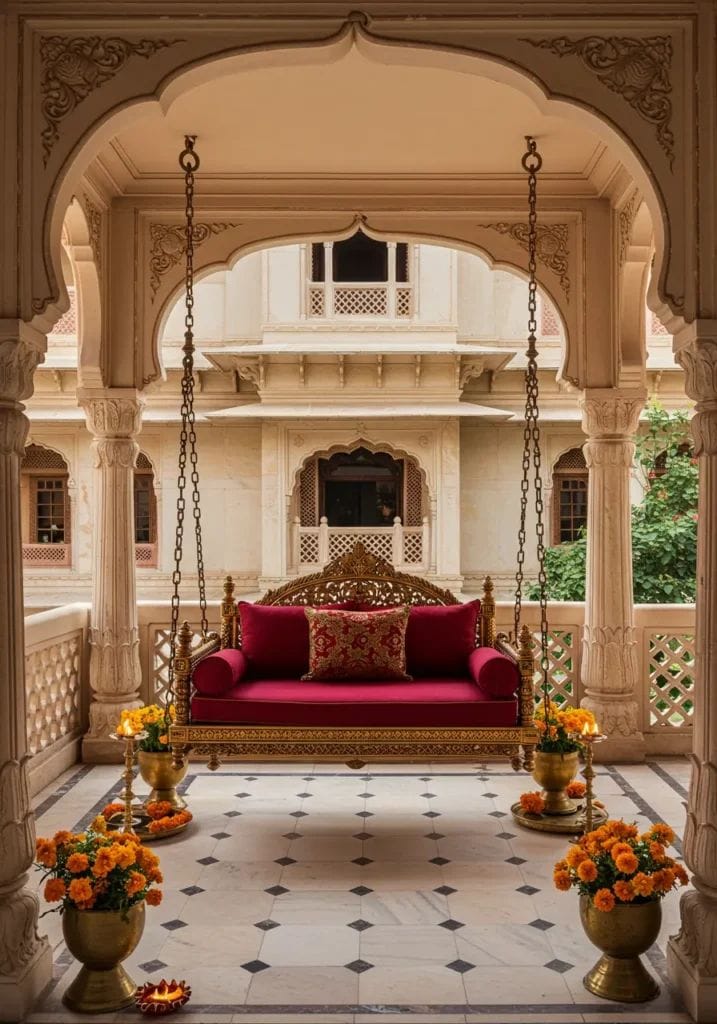
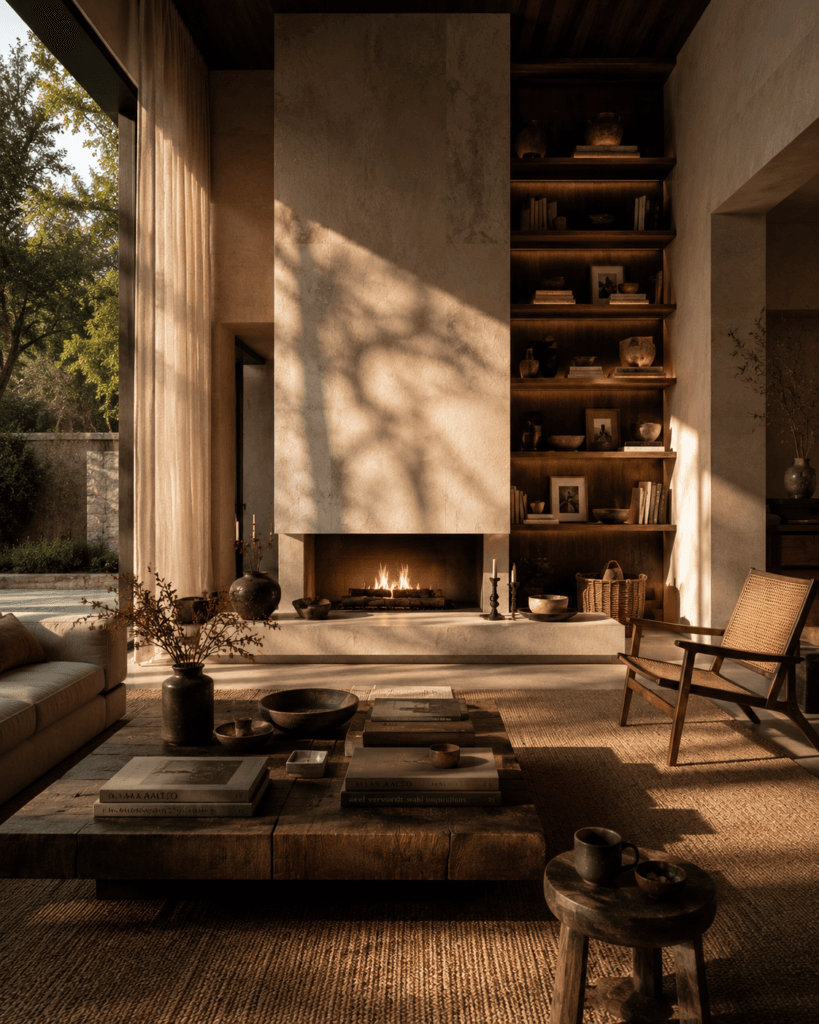
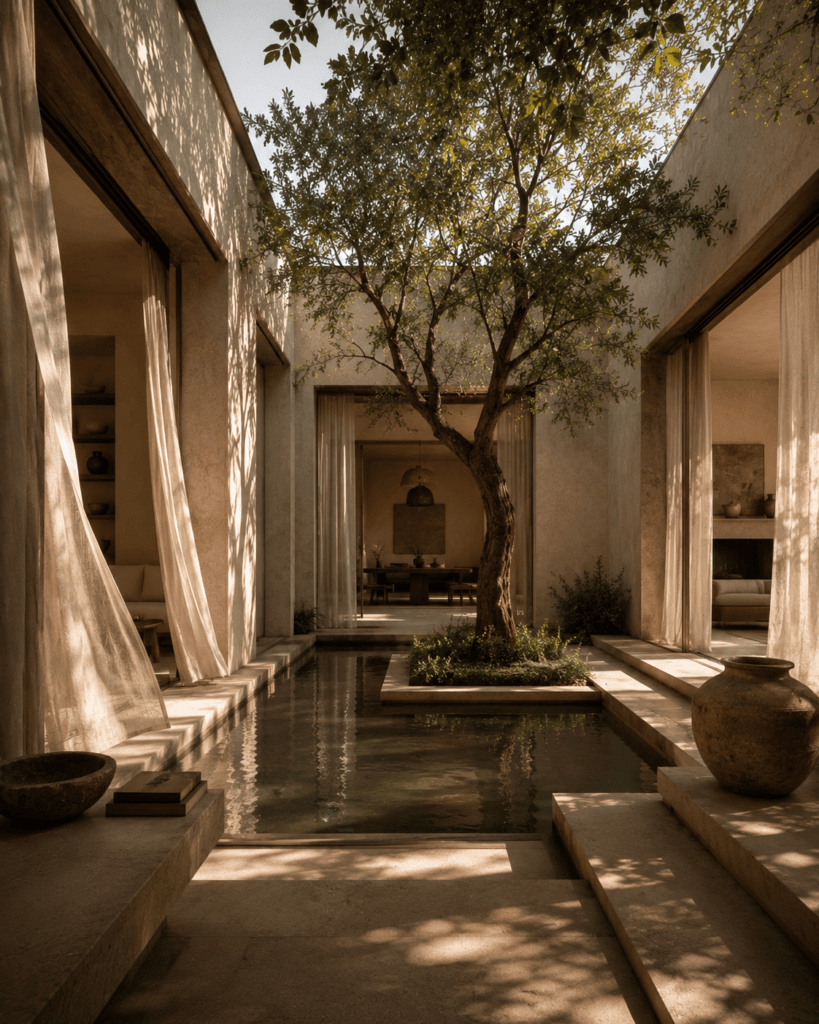
Every space begins long before the first line is drawn. It begins with people their routines, aspirations, memories, and the quiet moments they hope a place will hold. Architecture becomes meaningful not when it is admired from a distance, but when it reflects the lives unfolding within it.
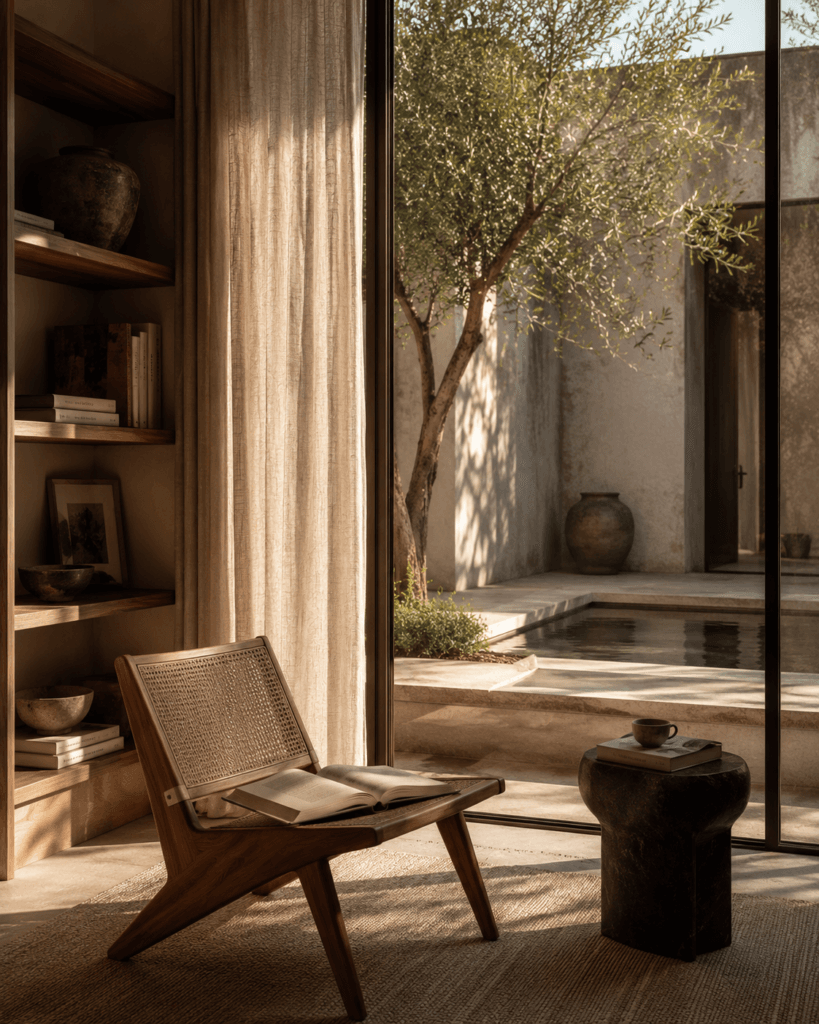
A thoughtfully designed home is rarely remembered for a single material or an impressive façade. Instead, it is remembered for the way morning light enters the dining room, the comfort of a favourite reading corner, or the ease with which conversations flow from one space to another. These experiences become part of everyday life, slowly transforming a building into something deeply personal.
The most enduring spaces are those that feel authentic because they are shaped by the people who inhabit them. Every family carries its own rhythm, every individual has unique habits, and every project presents an opportunity to translate those patterns into architecture. Design becomes less about following a style and more about understanding a way of living.
There is a tendency to associate architecture with permanence, yet the best spaces are designed with change in mind. Families grow, priorities evolve, and lifestyles shift over time. Spaces that remain relevant are those that allow these changes to happen naturally without losing their character. Flexibility is not simply a functional consideration; it is an acknowledgement that every story continues to unfold.
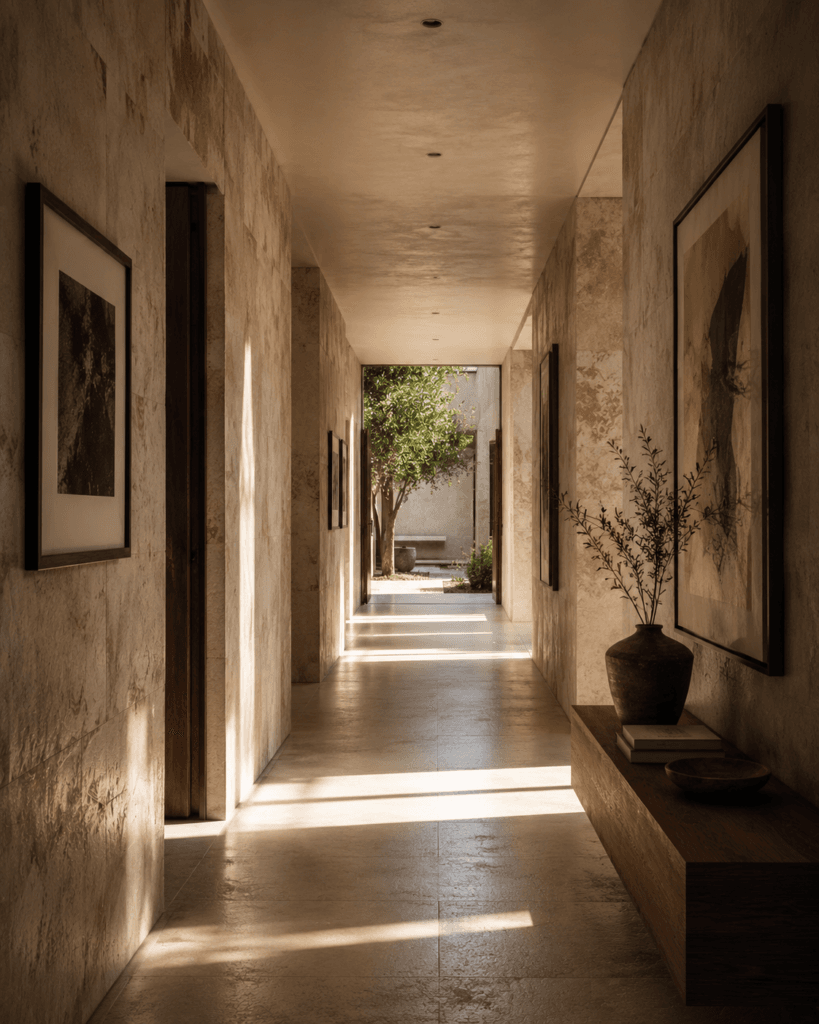
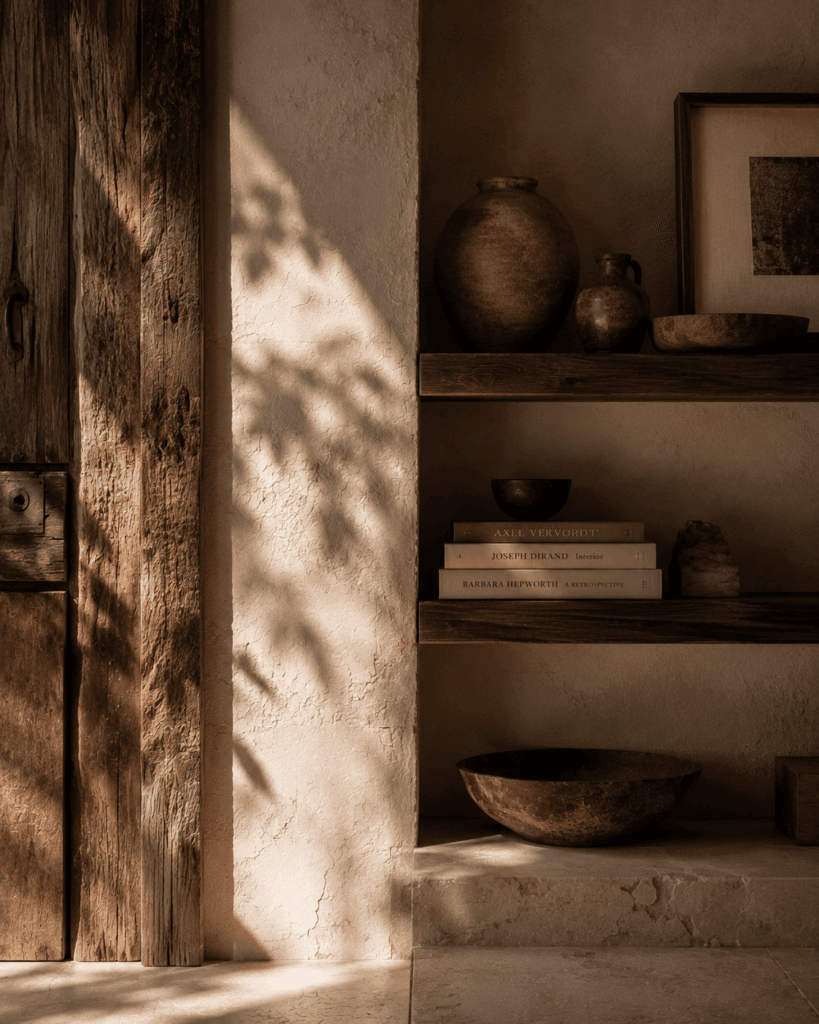
Materials play a quiet but significant role in shaping these narratives. Timber softens with age, natural stone develops a richer character, and handcrafted finishes reveal subtle variations that cannot be replicated by machines. Their beauty lies not in perfection, but in the way they respond to time and use, carrying traces of everyday life with grace. The passage of time becomes part of the architecture itself.
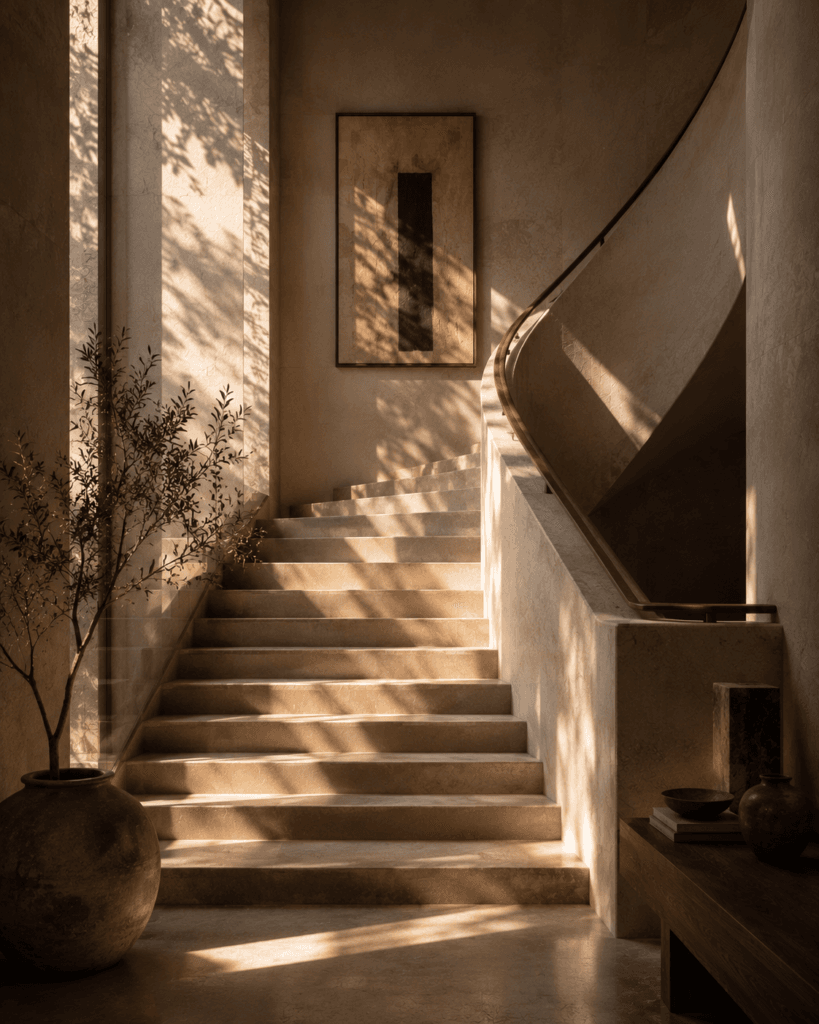
Light, too, has its own language. It changes throughout the day, revealing textures, creating shadows, and altering the atmosphere without moving a single wall. A room filled with soft morning light tells a different story from the same room illuminated by the warm glow of dusk. Designing with light means designing for experiences that evolve from sunrise to sunset.
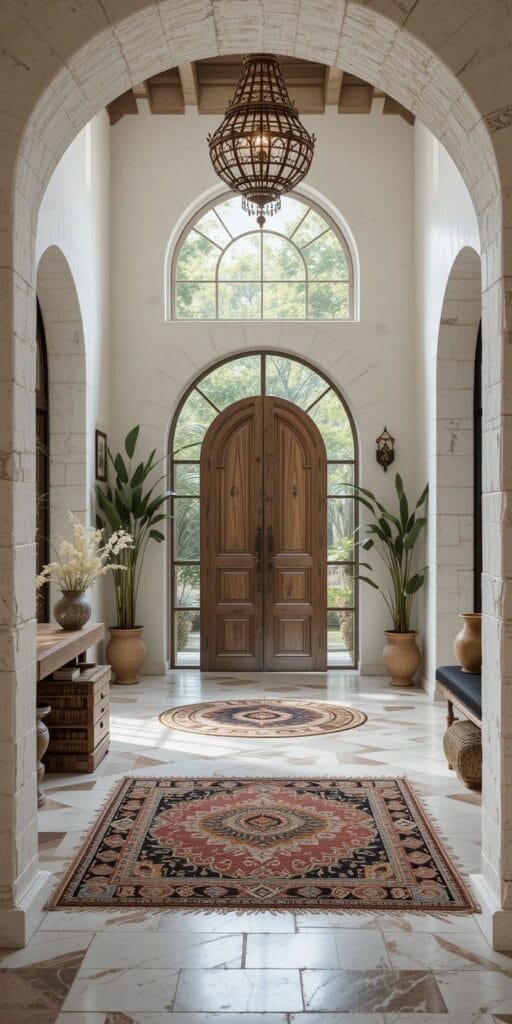
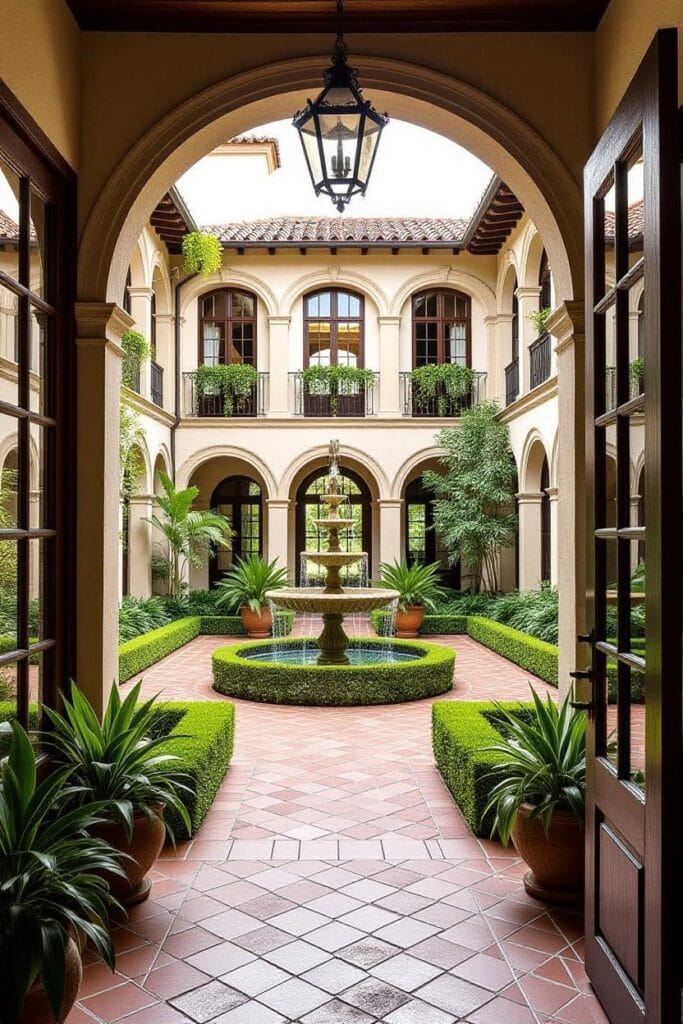
Meaningful architecture also responds to its surroundings. Climate, landscape, culture, and craftsmanship all influence how a building belongs to its place. Rather than imposing an identity, thoughtful design draws from its context, creating spaces that feel connected to their environment and respectful of what already exists.
Perhaps the most memorable spaces are those that do not seek constant attention. They allow life to become the focal point. The laughter shared over dinner, the quiet pause beside a window during the rain, or the familiar route taken through the house each morning eventually become the defining moments of the architecture. These experiences cannot be measured in drawings or specifications, yet they are what give a place lasting significance.
In a world increasingly influenced by rapidly changing trends, there is value in designing spaces that feel timeless. Timelessness is not about resisting change but about creating environments that continue to feel relevant as the people within them evolve. It is found in thoughtful proportions, honest materials, natural light, and a clear understanding of how people truly live.
Architecture, at its best, is never just about buildings. It becomes the setting for celebrations, milestones, everyday rituals, and quiet reflections. Long after finishes have weathered and furniture has changed, these moments remain. They are the stories that people carry with them, and they are the true measure of meaningful design.
At Studio SP, we believe every project should begin with listening before designing. Because when architecture is shaped by people rather than trends, it becomes more than a collection of spaces—it becomes a story that continues to be written for years to come.