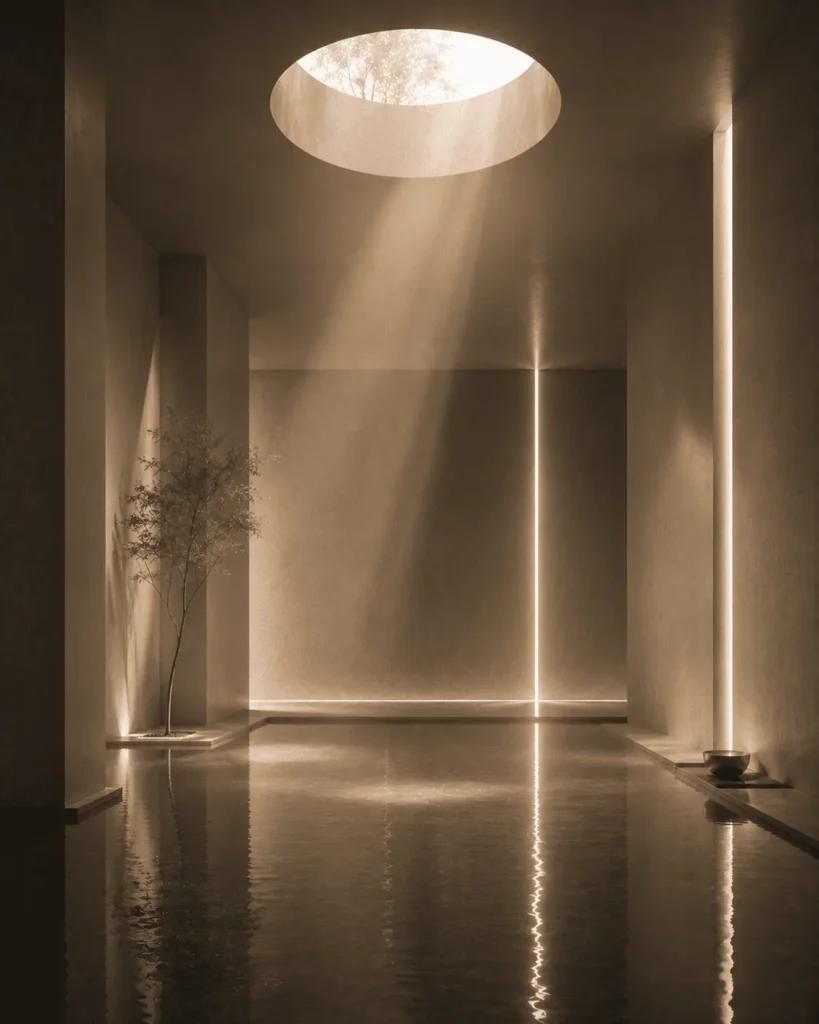
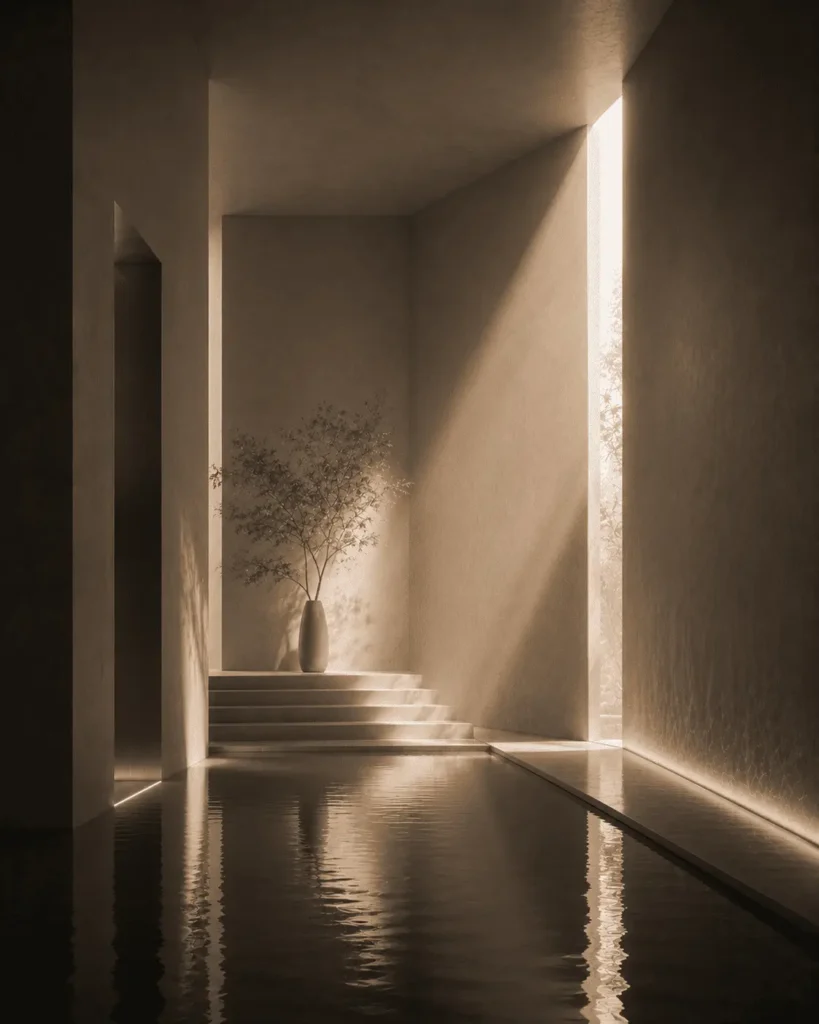
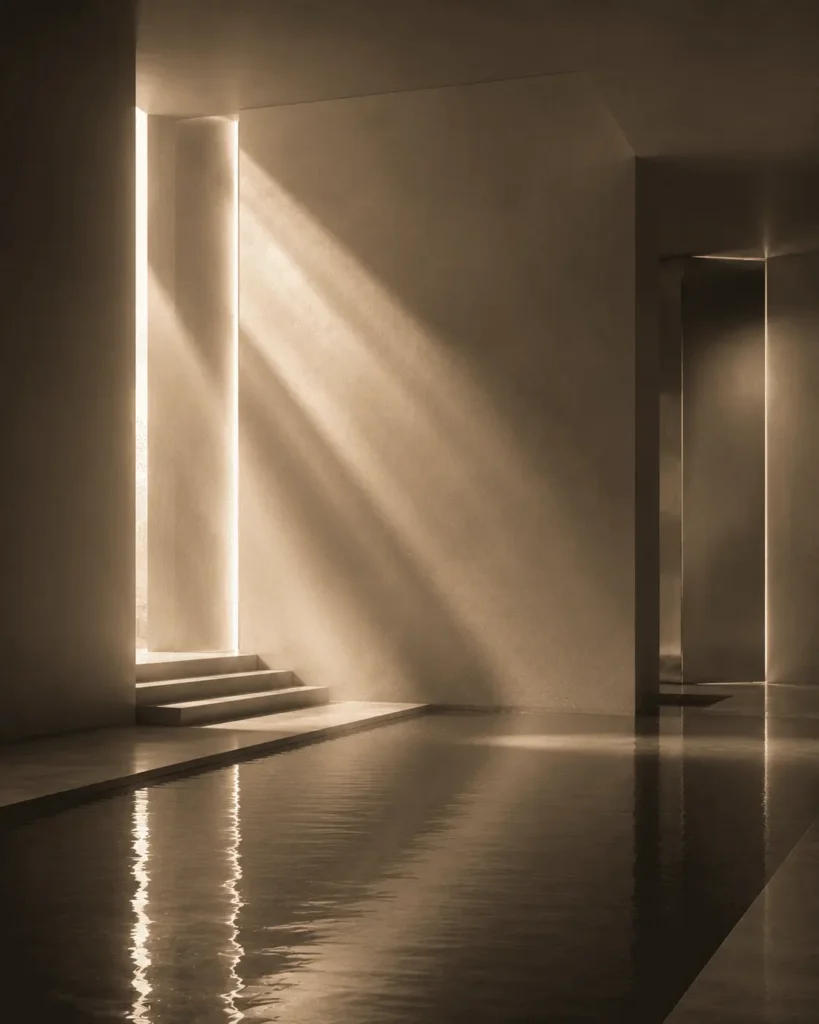
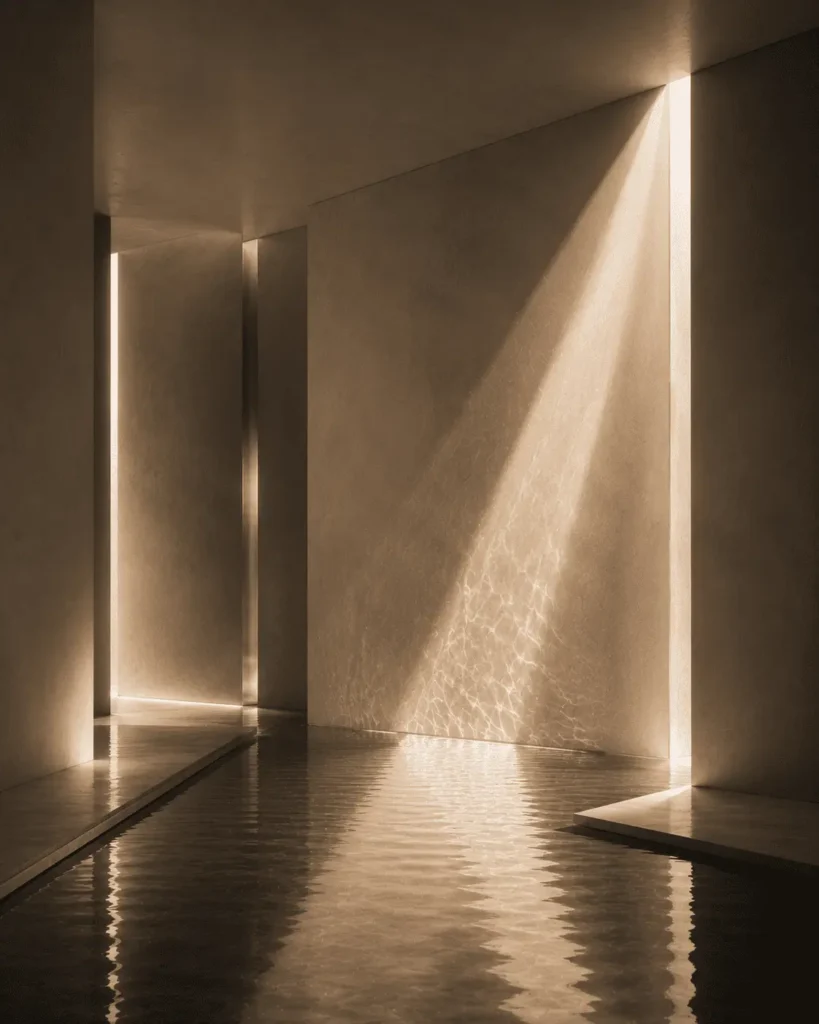
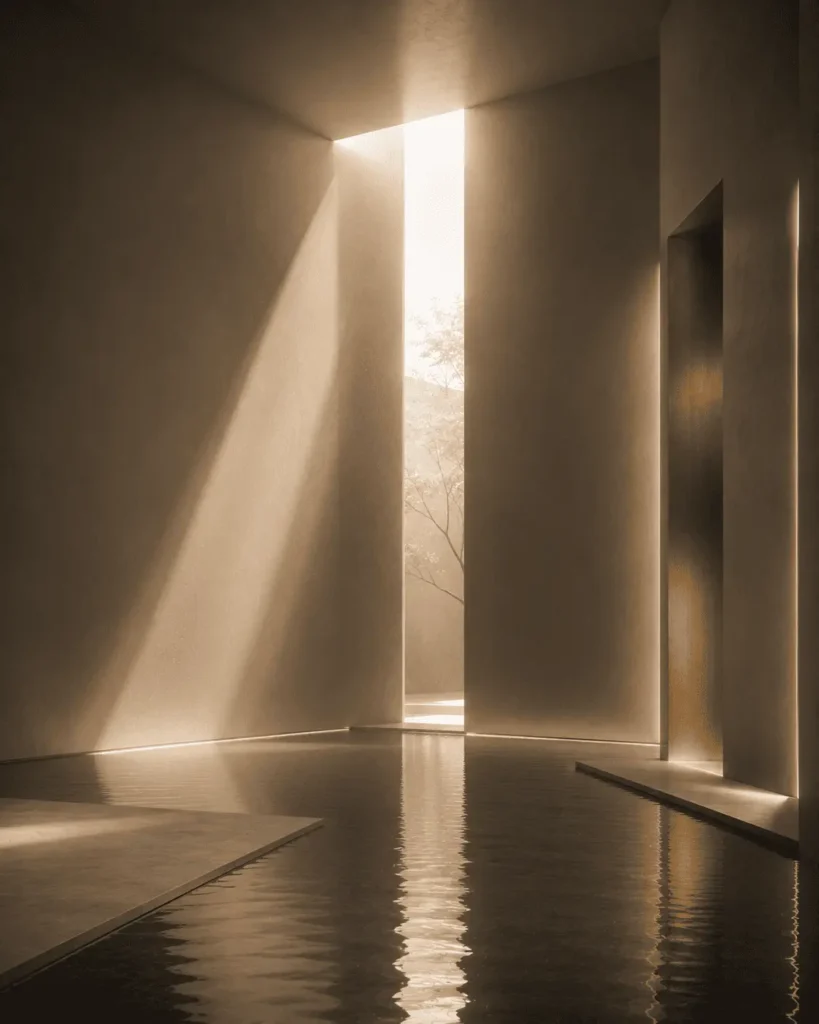
The material of light Designing with Shadows and Stillness
Natural light shapes surfaces. When it travels across the floors and walls it shows the texture, depth and the proportions. A room that is well lit permits the materials to be expressive while shadows controlled add harmony and tranquil. Instead of flooding rooms with bright light, contemporary architecture is increasingly focusing on controlled light which is diffused, reflected and then allowed to be absorbed by the space.
The art of designing with light is an exercise in control. Open spaces are designed not just to provide views, but also to create a sense of orientation and. Changes from bright to dark spaces can create periods of pause that allow the occupants to take a moment to slow down and be aware about their environment. These shifts are often some of the best architectural moments.
Shadow is a crucial function. It provides depth without ornamentation and helps create a sense of calm within the space. When shadow and light are balanced, architecture appears to be like a piece of art rather than a performance. The space isn’t arousing source of attention but rather invites you to take it in.
Over time, light changes. Morning, afternoon and evening offer different aspects which ensure that a space remains in motion. The temporal dimension provides architecture with the quiet dynamism one that is responsive to the environment rather than restraining it.
When it is treated as a substance the light can be used as an instrument for ease and clarity. It helps architecture feel at ease, secure and durable quality that is vital regardless of location or size.