On the Nature of Stone in Contemporary Architecture
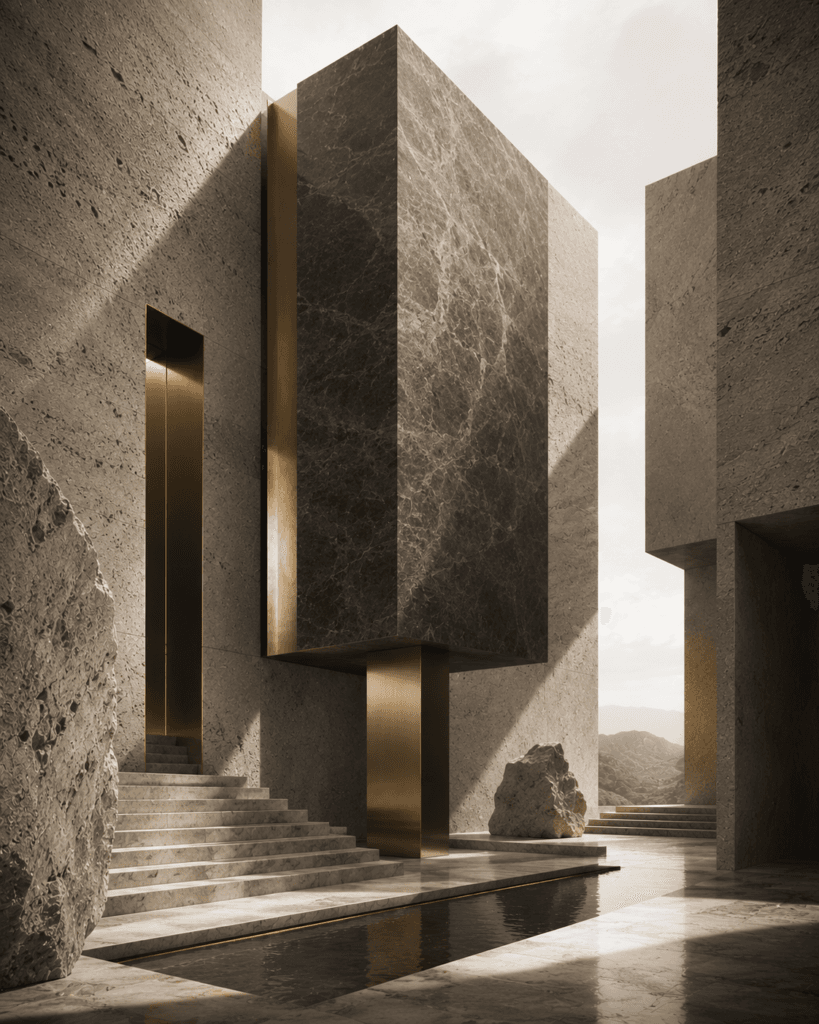
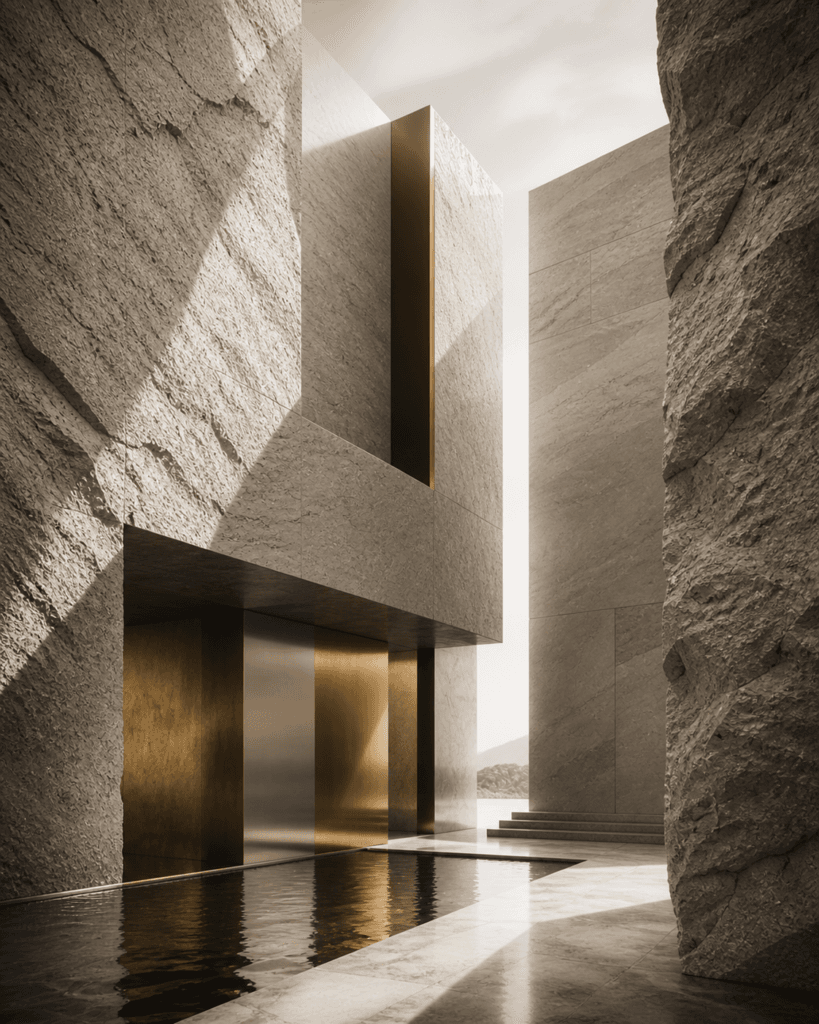
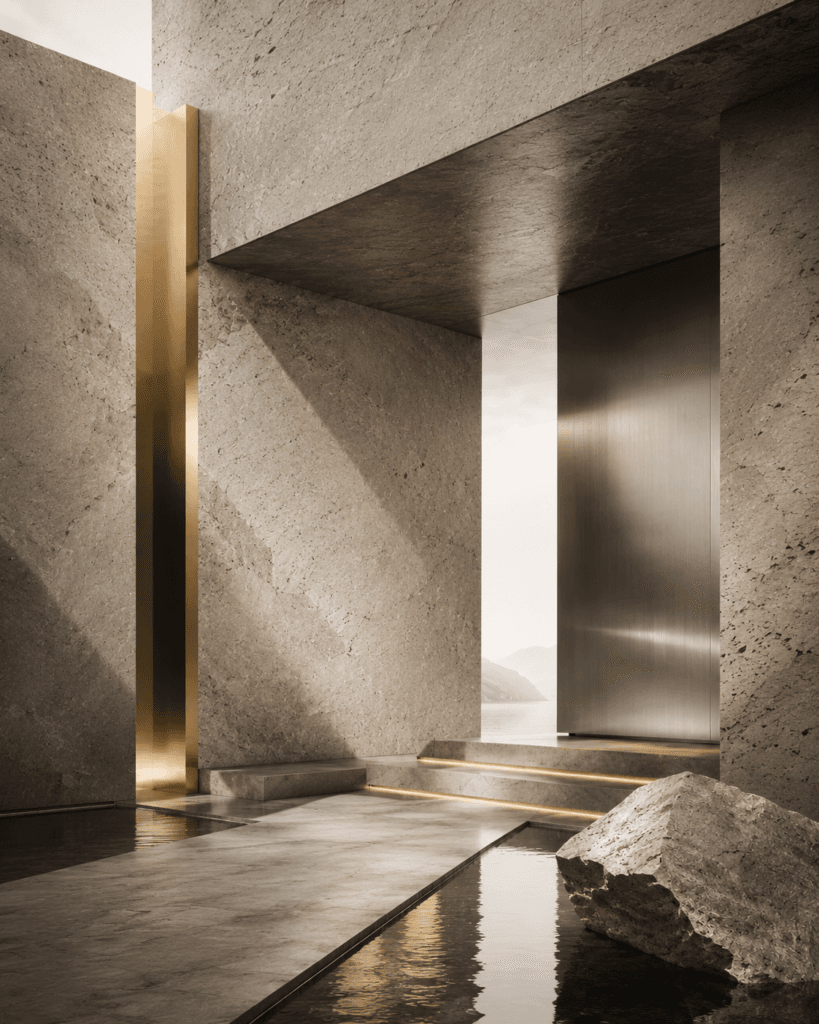
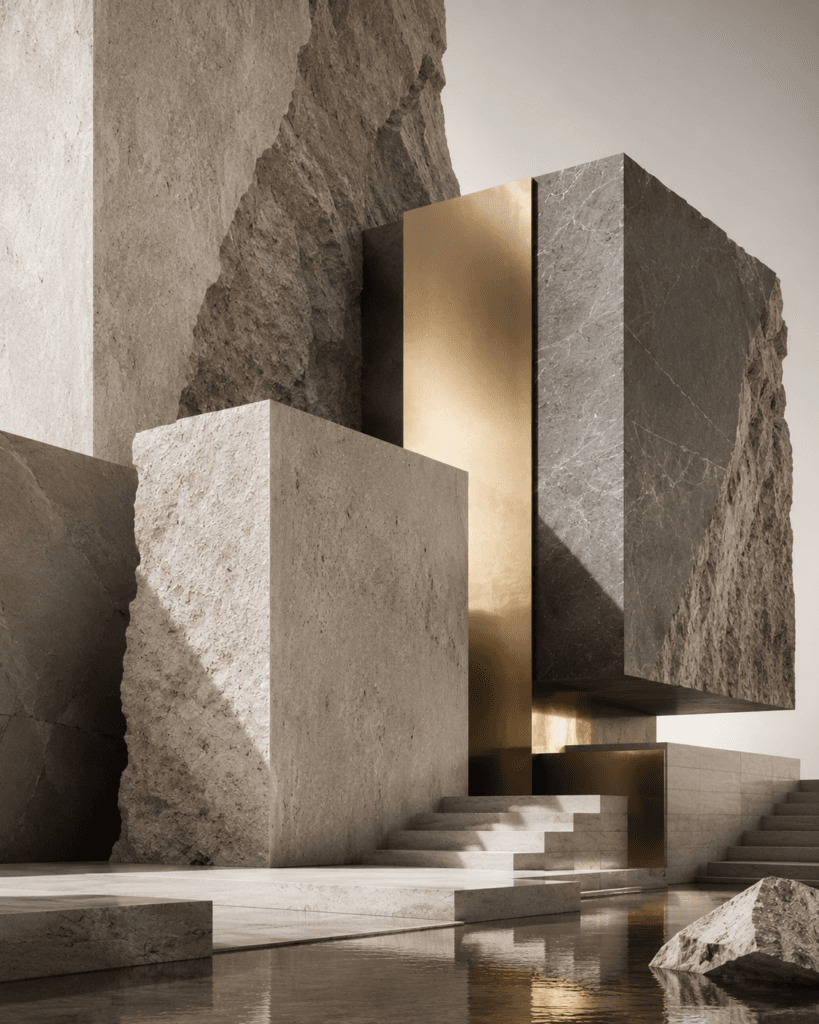
In contemporary architecture stones are no longer viewed as a decorative element. It is now seen as a substance that influences experiences. Its texture reacts to light differently during the day and can reveal subtle variations that can’t be duplicated through synthetic surface. A lightly textured or honed stone absorbs light and creates areas that feel serene and grounded. Likewise, polished stone reflect its surroundings, making it an integral part of the overall spatial story.
What differentiates stone from modern materials is its interaction to the passage of time. In contrast to deteriorating, it changes. The edges soften, surfaces acquire patina, and the marks of use are incorporated into the character of the building. The process of aging gives the depth of the space, not diminishing its the value of the space, making it appear more alive than static.
In modern times the use of stone is also about restriction. The vast, uninterrupted surfaces allow the stone to be seen as a complete field rather than a decorative one. Joints are avoided, detail is precise and the transitions are well eliminated. This allows stone to showcase its inherent strength and tranquil elegant.
Stone isn’t a symbol of excessiveness. Stone is a product of continuity, linking the built environment to the landscape, geography and even time. If used with care it can anchor an area, providing the sense of permanence and calm that modern living is increasingly seeking.
This way stone is not just an ode to the past, but rather a basis for architecture that strives to last.