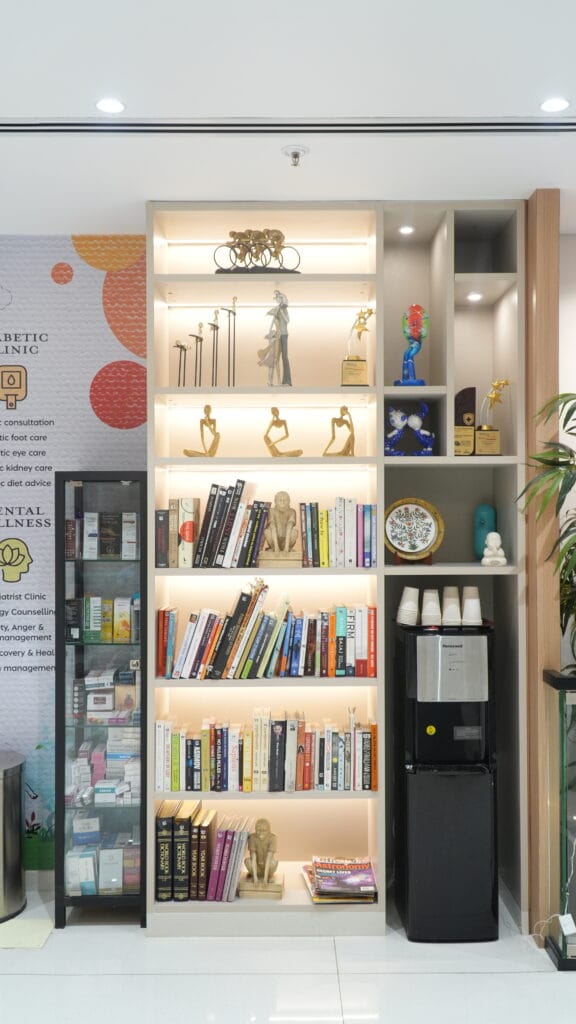
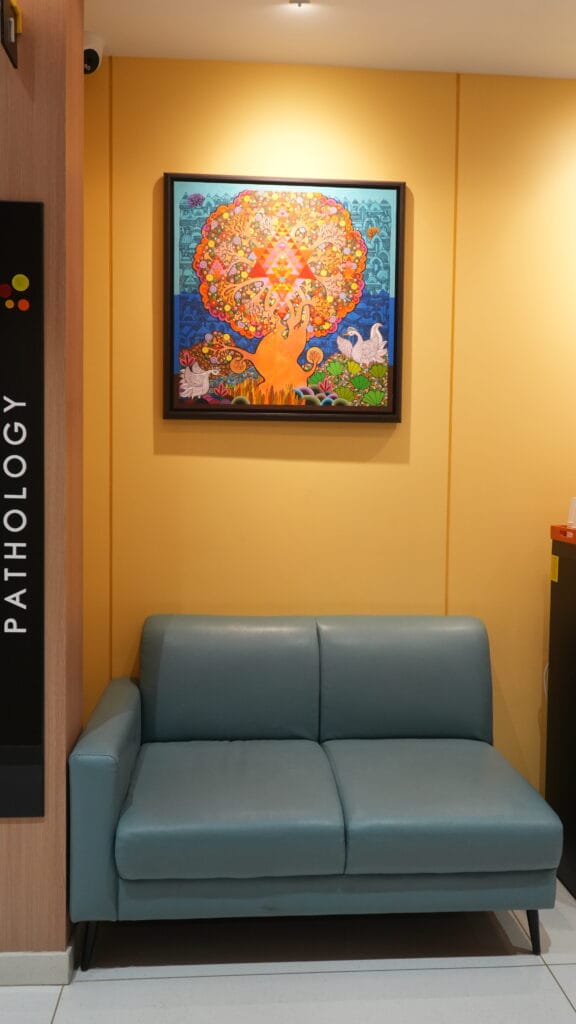
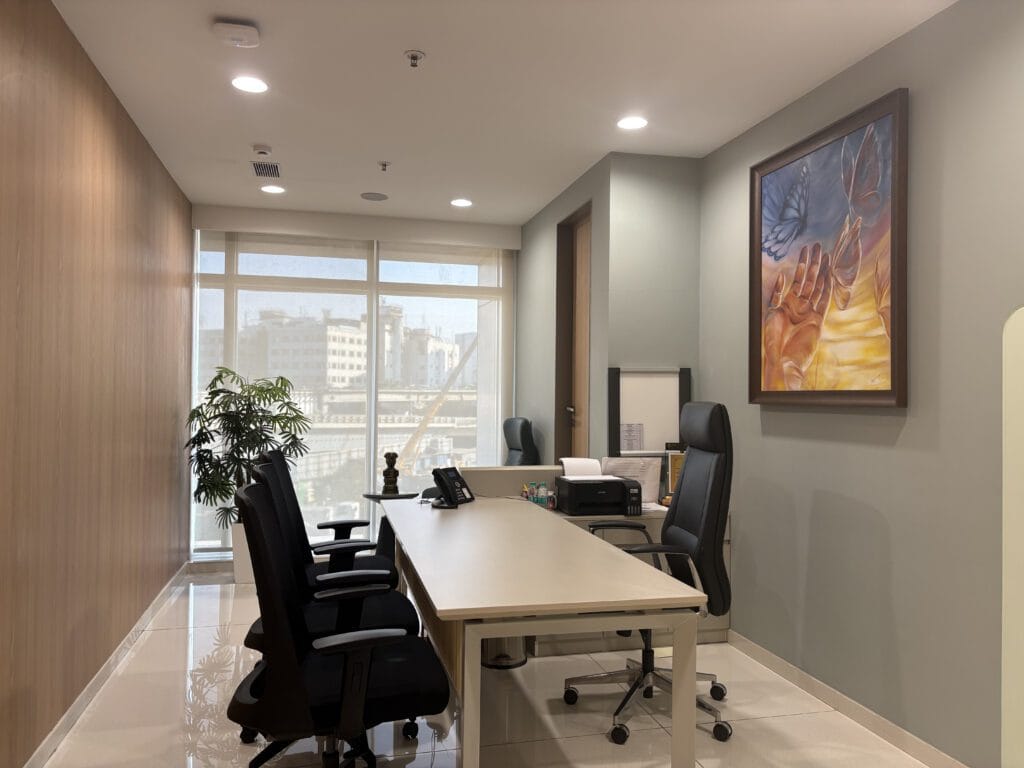
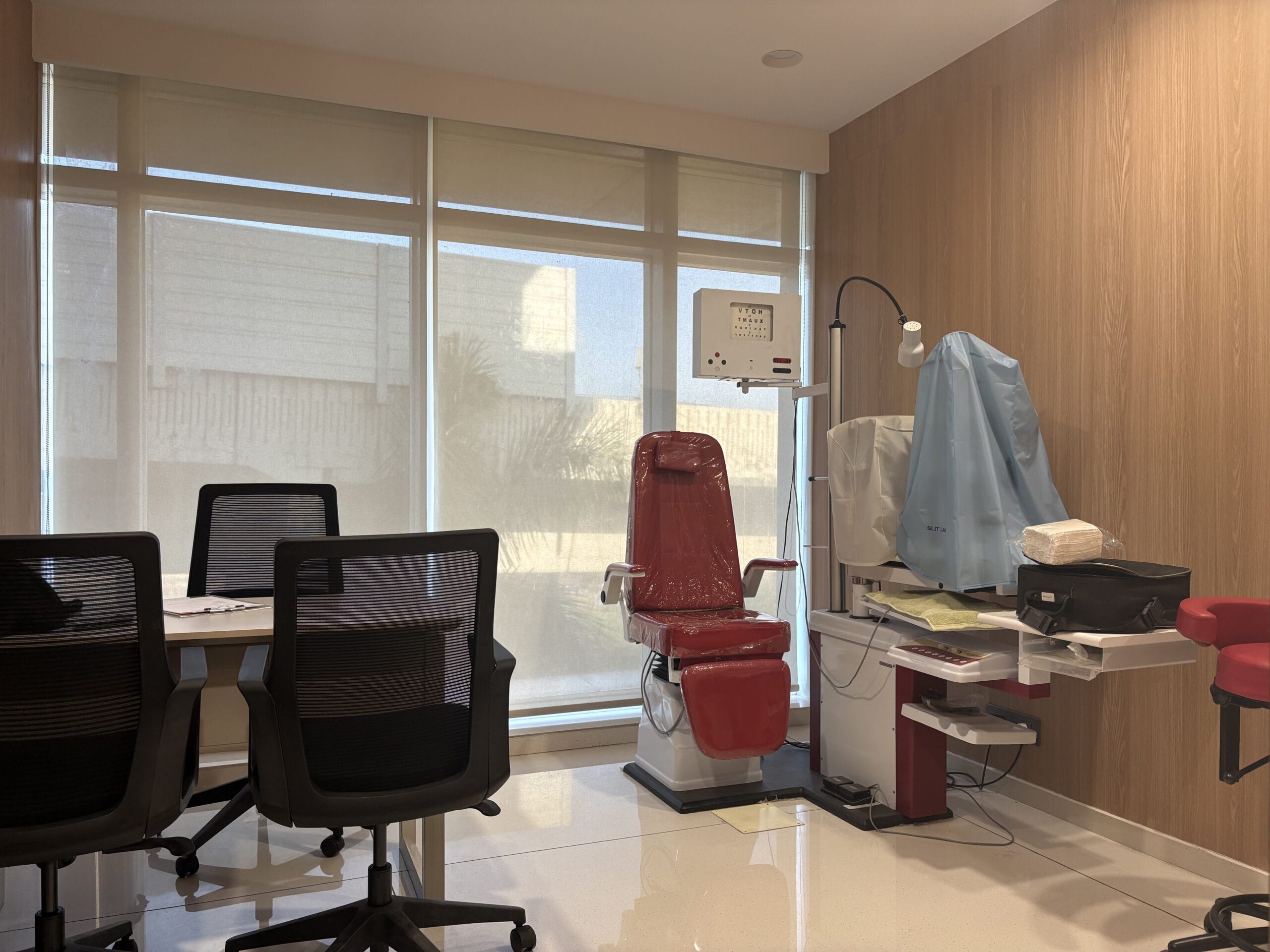
Within a clinical program, this project searches for stillness. The interior is conceived as a measured composition where space, light, and material work together to temper urgency and introduce calm.
When Function Learns to Breathe
Healthcare interiors demand precision, yet they also hold vulnerability. Here, architecture responds by softening edges, clarifying movement, and allowing the space to breathe between moments of use.
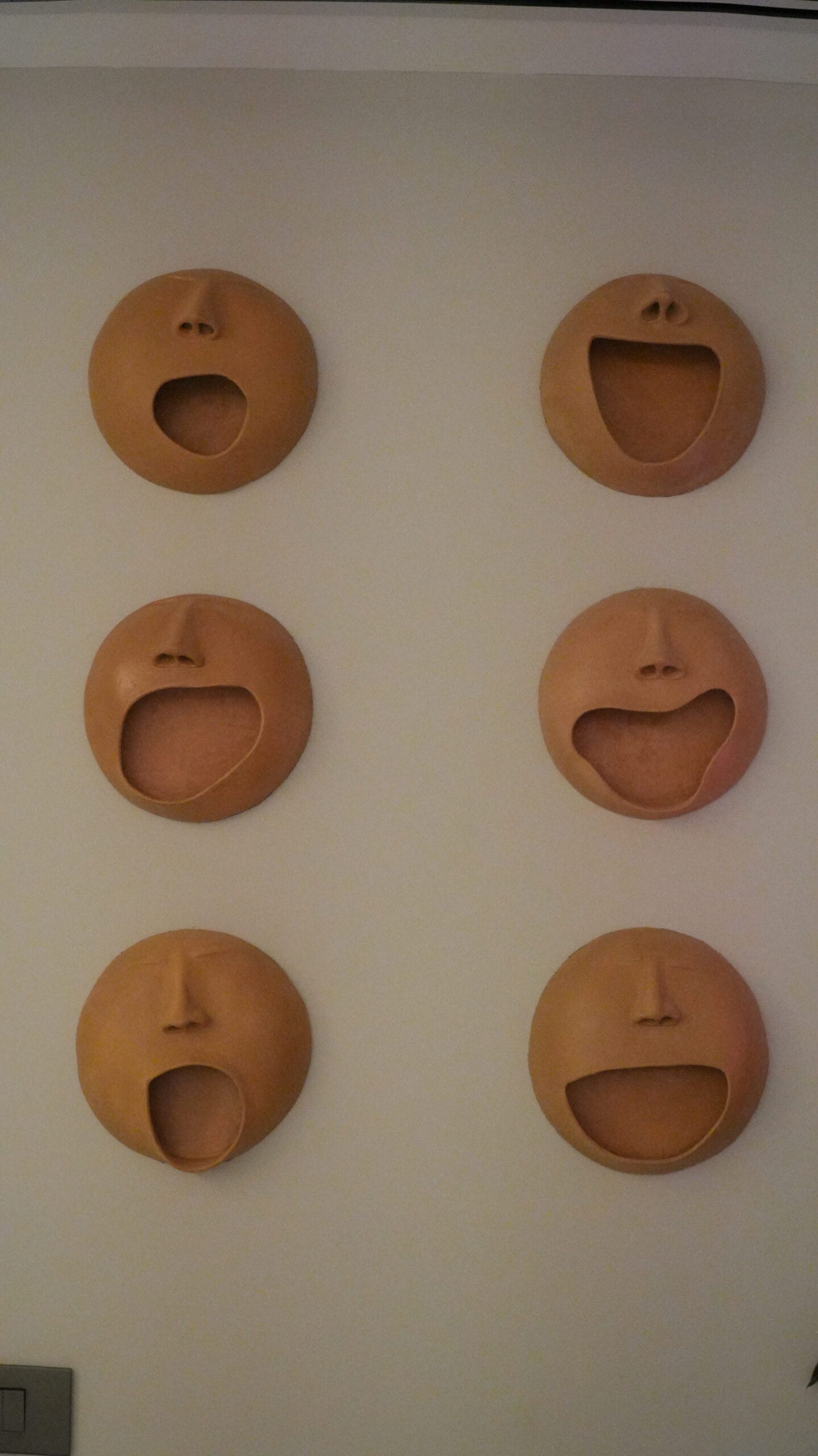
Design is not expressive, it is attentive.
A Choreography of Movement
The plan unfolds as a sequence of pauses and progressions. Public zones open gently, private areas retreat quietly, and transitions dissolve without announcement.
Rather than directing users, the space guides them subtly, instinctively.
Surfaces That Speak Softly
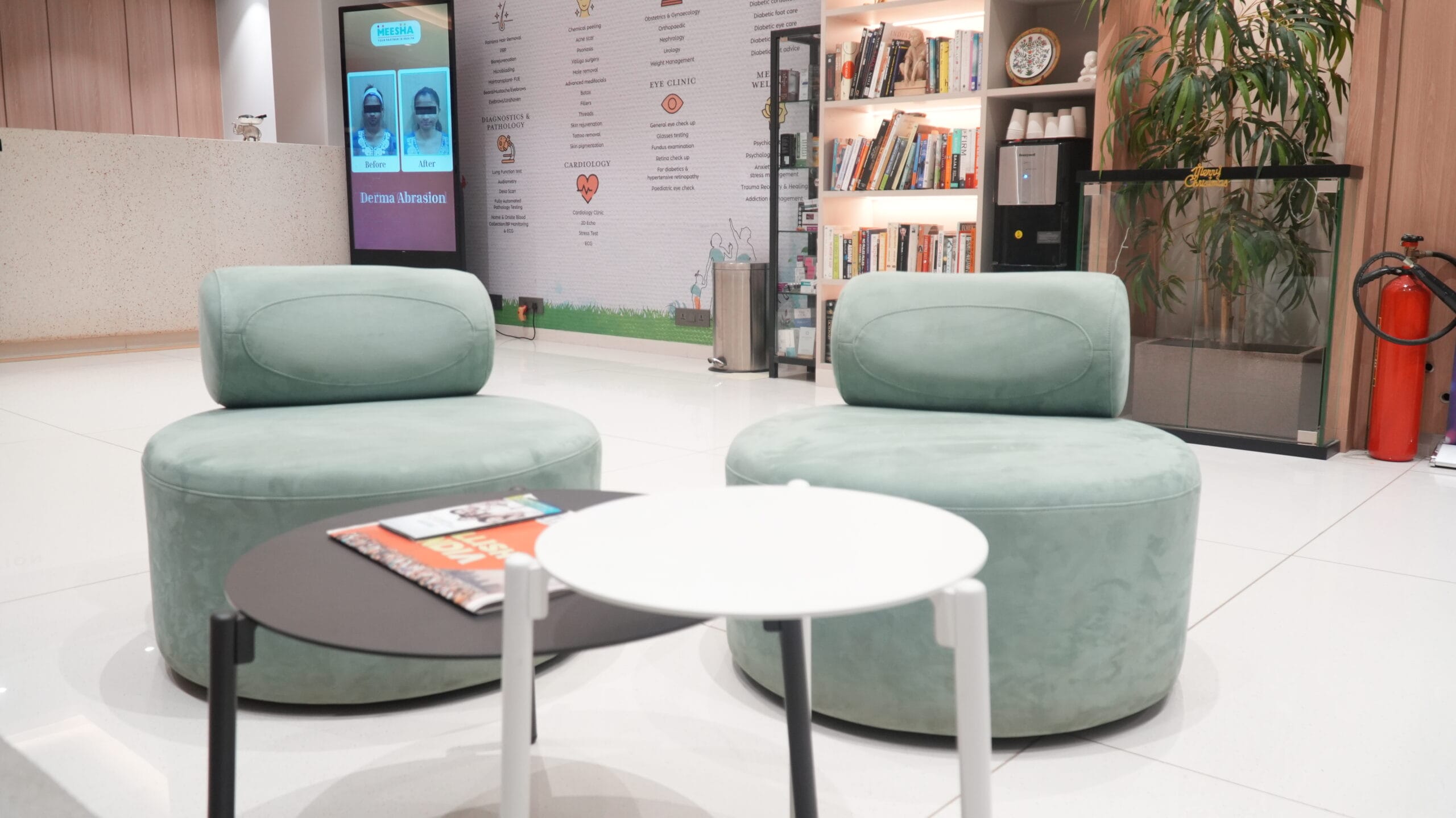
The material palette is restrained and tactile. Stone anchors the interior, wood introduces warmth, and matte finishes quiet reflections.
Together, they create a background that does not compete for attention allowing the experience of space to remain uninterrupted.
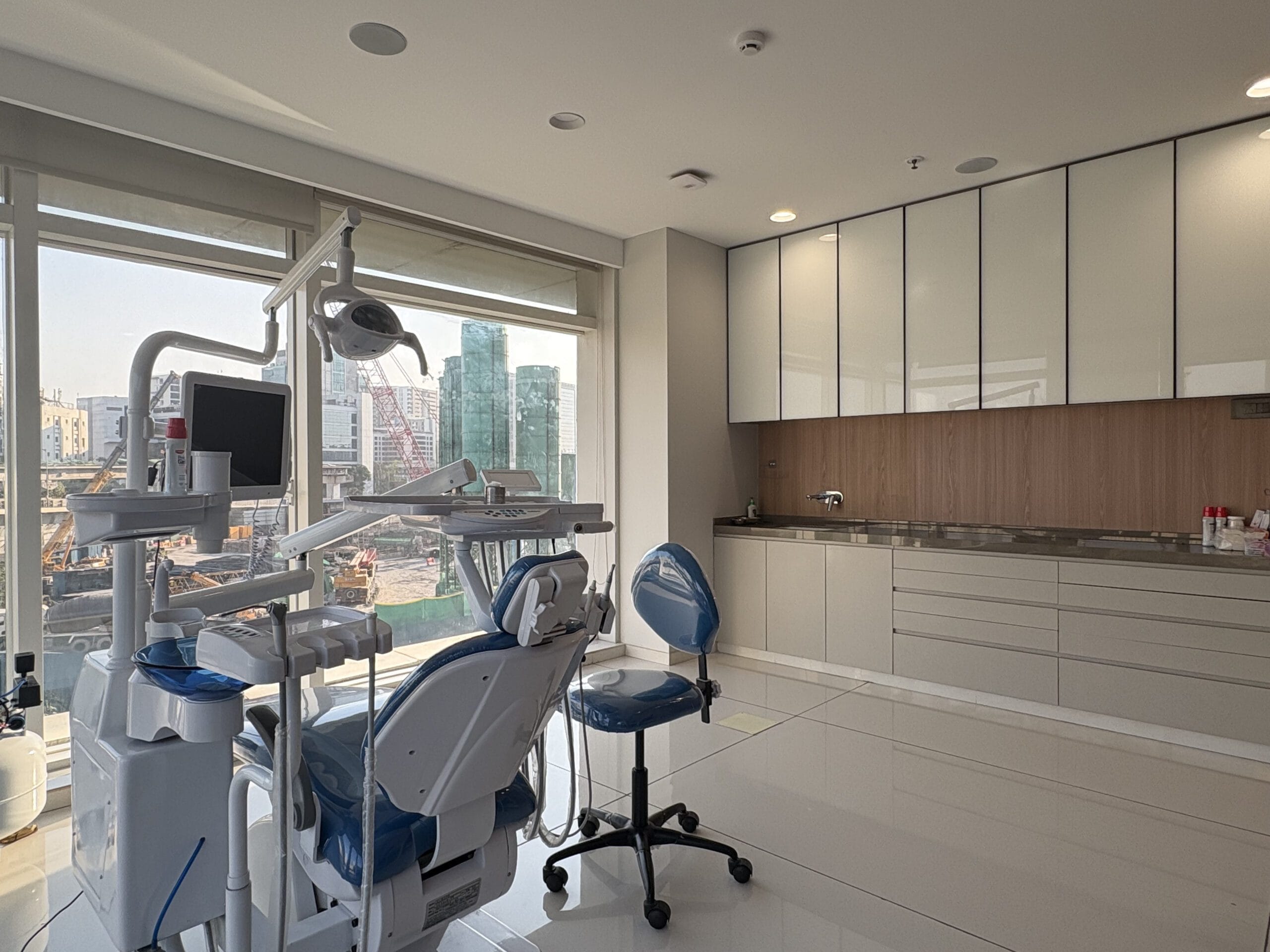
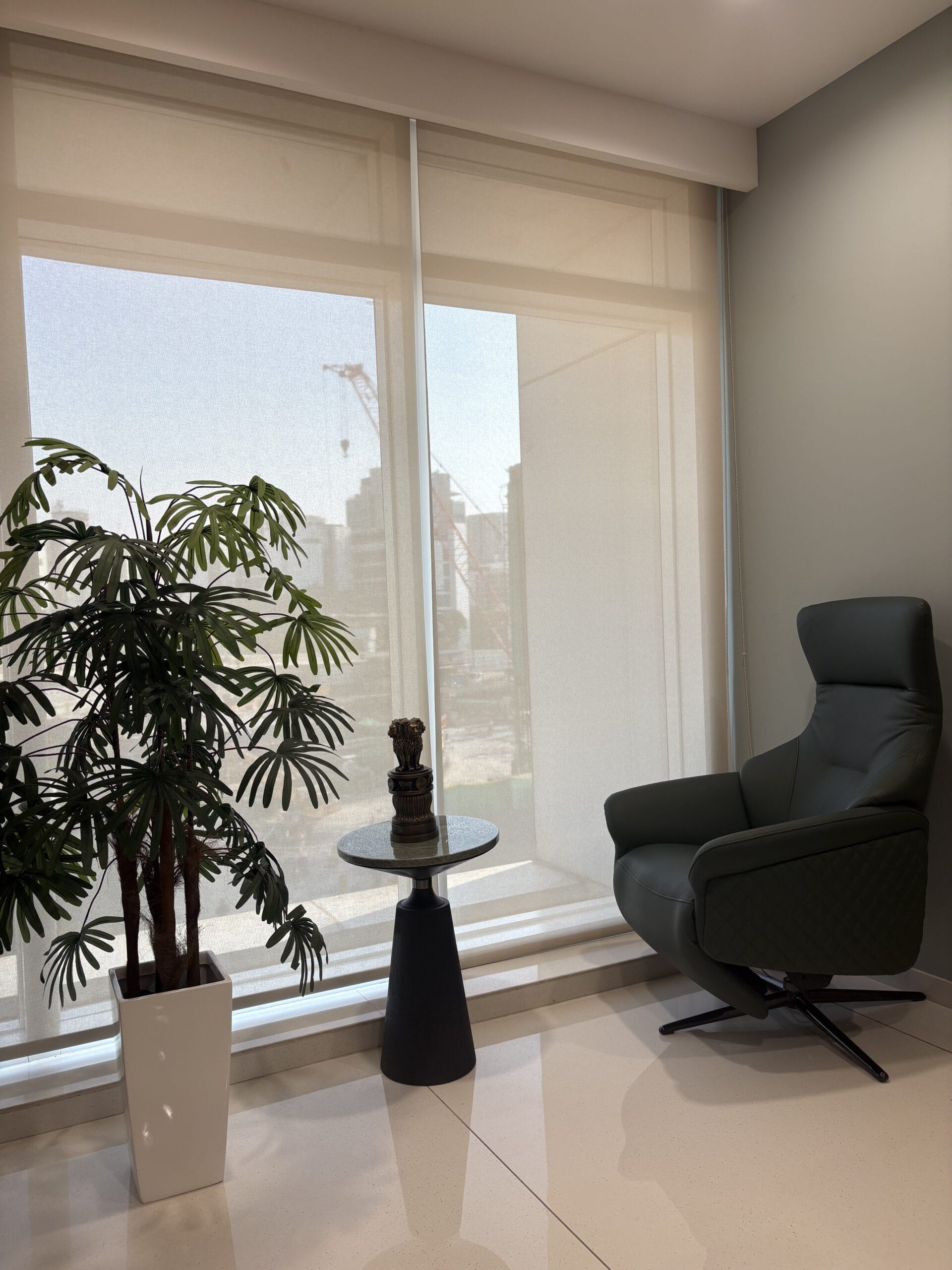
Light is treated as a spatial medium rather than an object. Diffuse illumination reduces contrast and glare, while natural light marks time gently across surfaces.
The atmosphere remains consistent calm, balanced, and composed.
Precision Without Emphasis
Details are resolved through alignment and proportion. Joints disappear, transitions remain clean, and repetition establishes rhythm.